
The Los Angeles area has been home to many famous aircraft manufacturing companies over the years and many of the modern conglomerates maintain facilities in the area to this day. One of the most innovative companies of the post war era was the Northrop Corporation, established by Jack Northrop in Hawthorne, California in 1929. In 1994, Northrop merged with Grumman to form Northrop Grumman in 1994 and the modern company still has a plant at the Hawthorne location.
For many years, the Western Museum of Flight has maintained a collection of aircraft and artefacts relating to the great aerospace companies of the area, with particular focus on Northrop products. Indeed for much of its existence the museum was based at Hawthorne Municipal Airport, until a hike in rent caused it to close its doors to the public in 2006. The collection was put into storage at various locations until a new site could be found – in 2008 the museum reopened at Zamperini Field, a busy GA airfield in Torrance, famous as the home of the Robinson helicopter company.

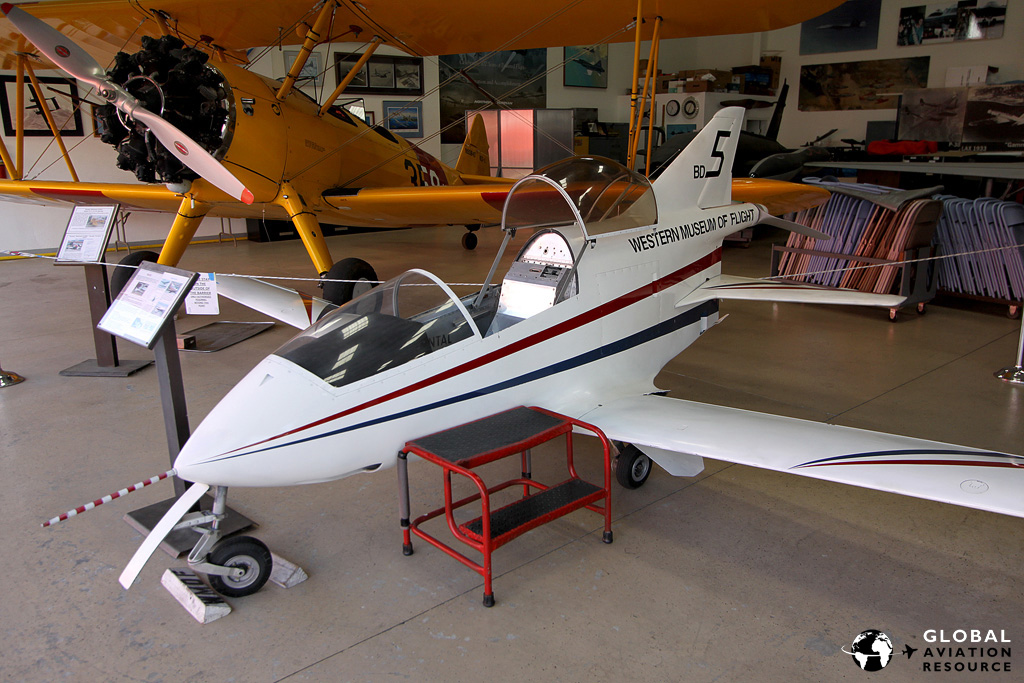
The museum is currently located in fairly small premises on the airfield, with a small hangar housing some of the smaller types in the collection; larger aircraft are on display outside. The current facilities are seen very much as temporary – support has been received from the local authorities for a purpose built museum area and fund raising is ongoing.
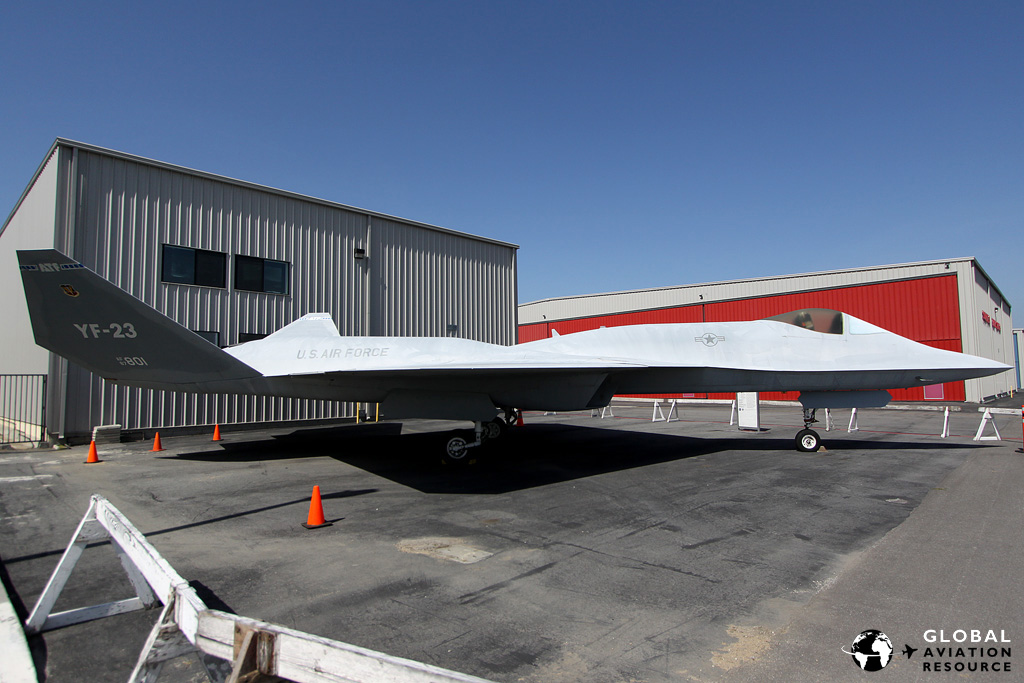
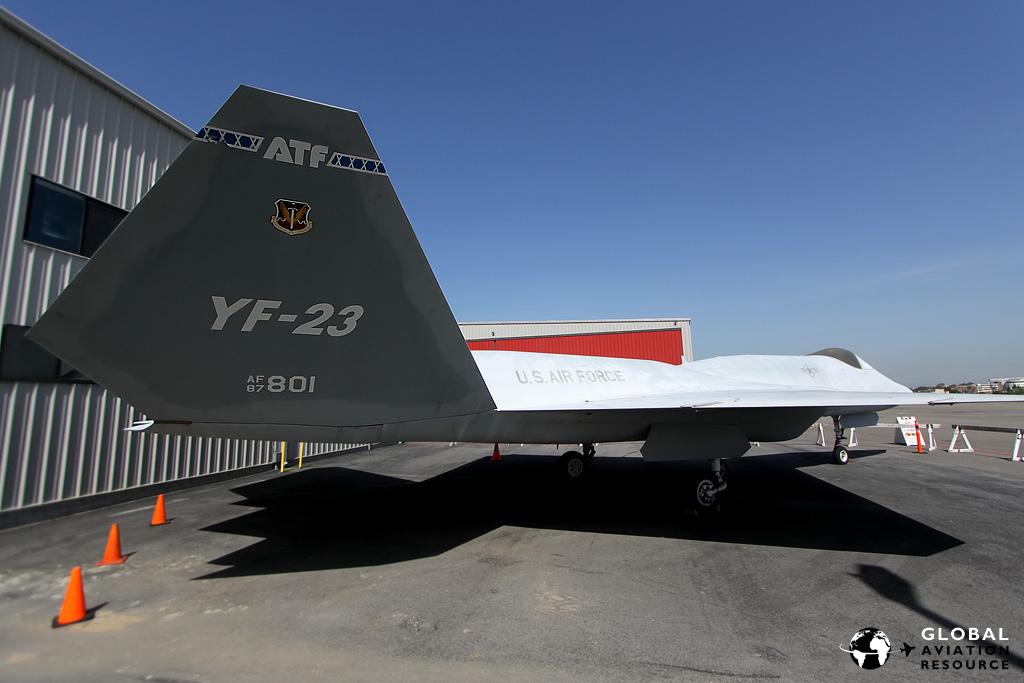
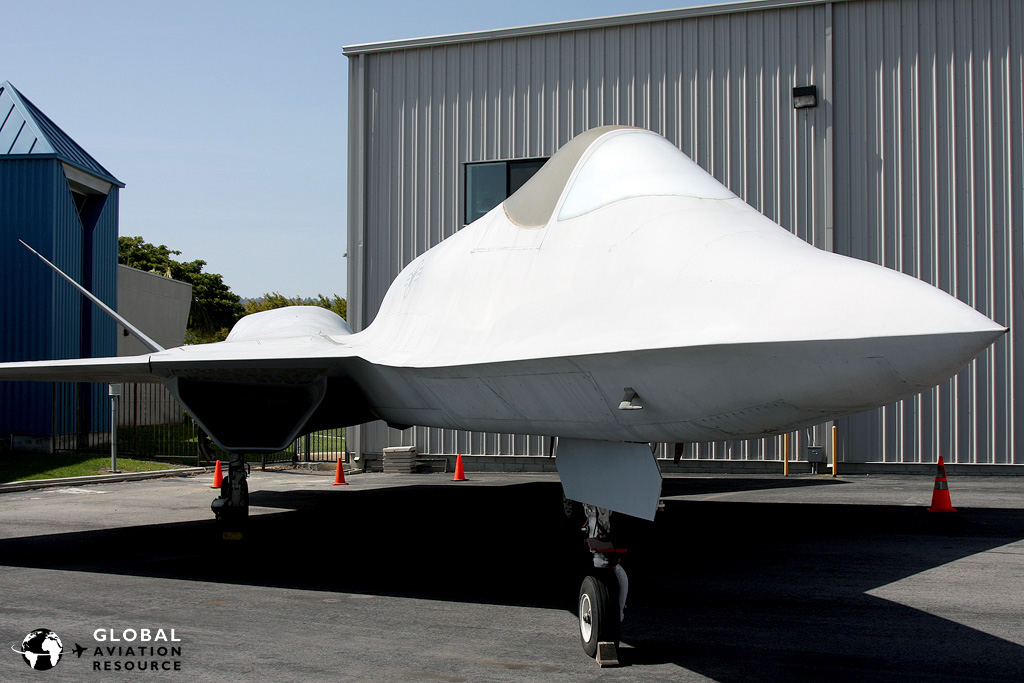
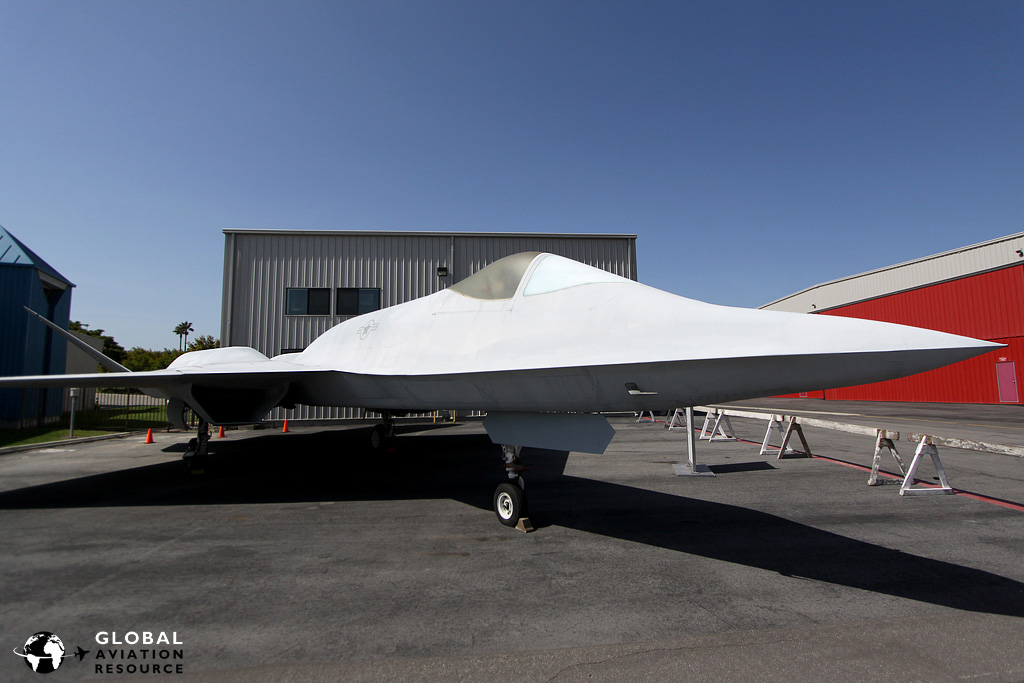
For now, the museum has a fairly small part of its collection on display, but that includes several very rare gems. For me the most exciting of these is the Northrop YF-23. The YF-23 was produced to compete in the Advanced Tactical Fighter (ATF) competition in the early 1990s. A very sleek, futuristic looking design, the YF-23 lost out to the YF-22, which went on to enter service as the F-22A Raptor.
Two YF-23 aircraft were built and these were referred to as PAV-1 and PAV-2 – the WMoF has PAV-2, the other aircraft is on display at the National Museum of the USAF at Wright-Patterson AFB. Apparently a faster and more stealthy design than the YF-22, the YF-23 was larger and less agile than the competing design. In April 1991, the YF-22 was announced as the winner of the competition.
Since then there have been several attempts to resurrect the YF-23 project in a variety of forms, the most recent being a candidate for the USAF interim bomber programme, which appears to have now been shelved in place of a longer term replacement. Northrop Grumman actually “borrowed” the WMoF YF-23 in 2004 for use in the project, but it never got any further than that. Persistent rumours on the internet suggest that the aircraft may also have been developed into a top secret stealthy reconnaissance aircraft, but there seems to be little foundation for these reports.
The YF-23 prototype still makes for an impressive sight - in my opinion it’s a much better looking machine than the Raptor - and one can only imagine how cool squadrons of the aircraft would have looked had it been developed and entered service.
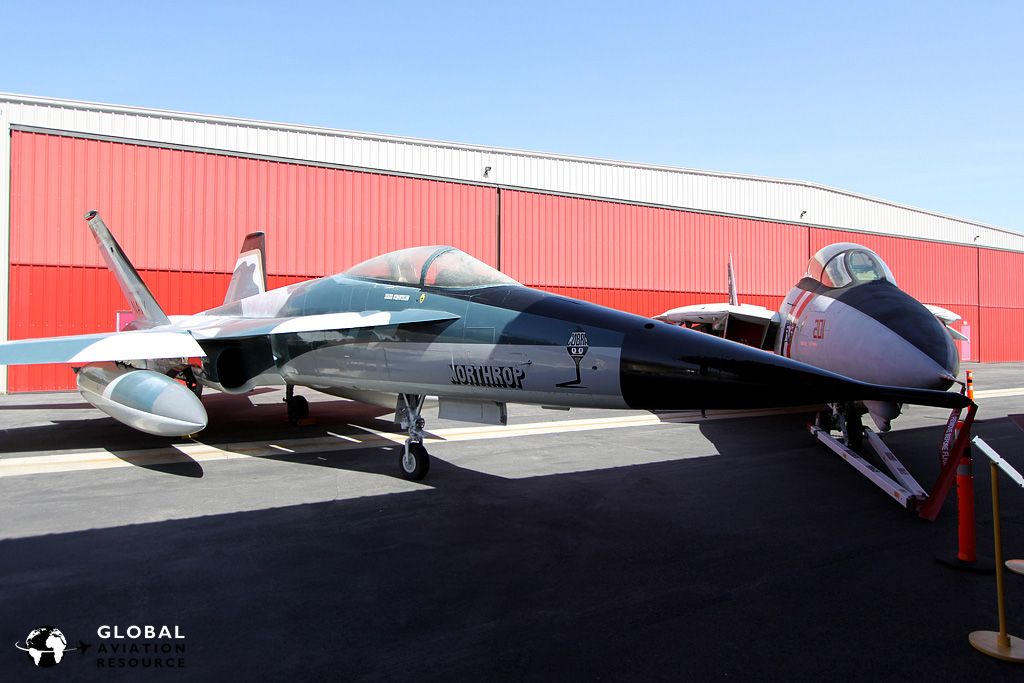
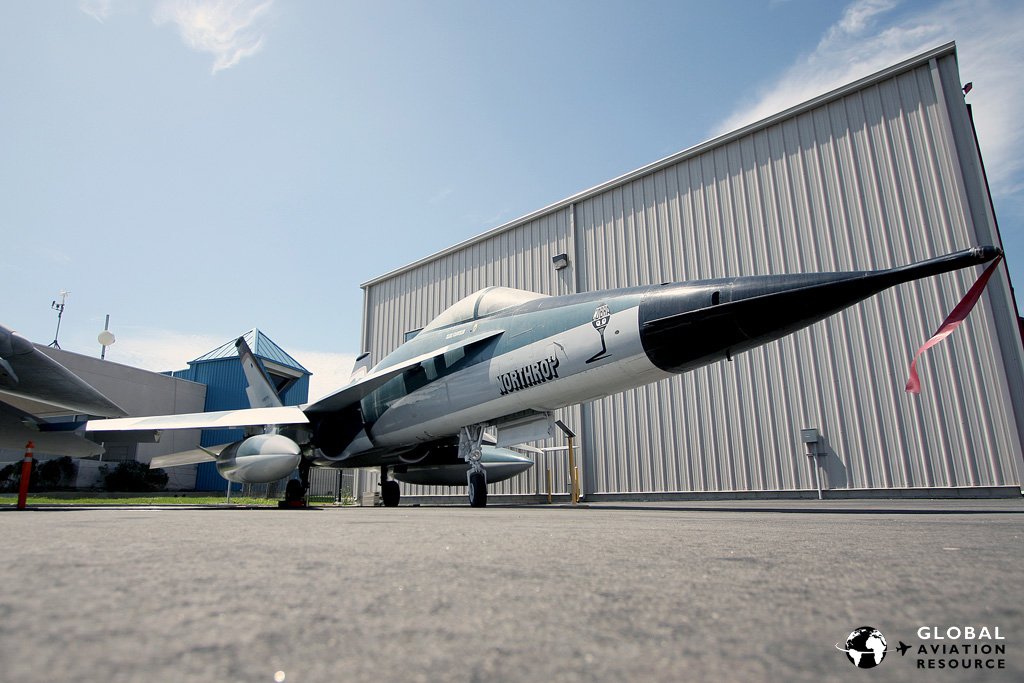
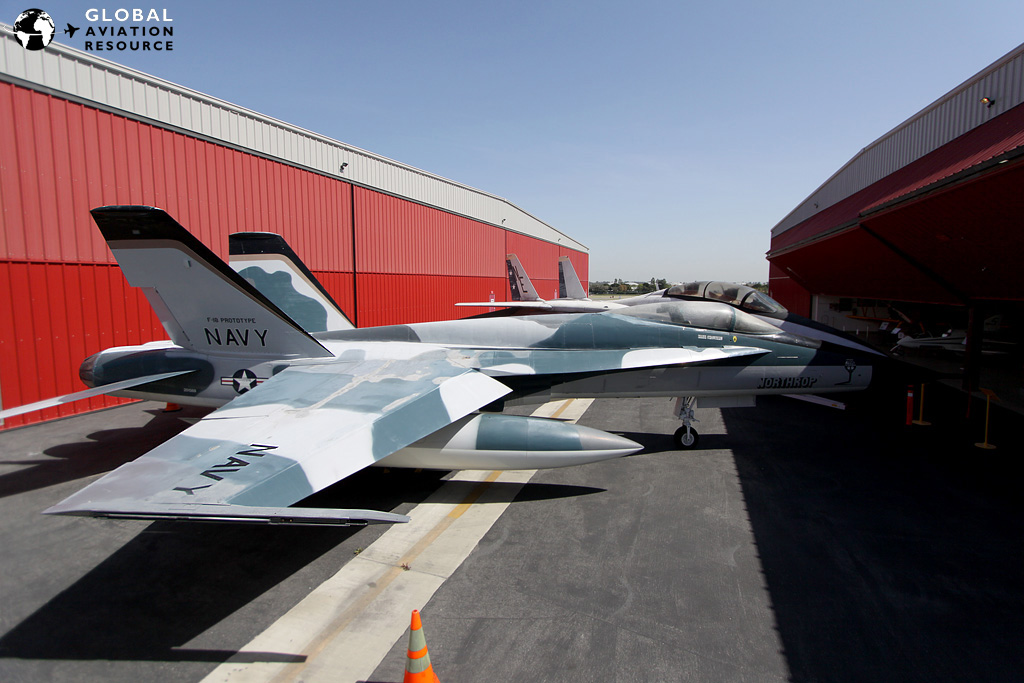
The museum also has another aircraft which lost a similar competition, although in this case the design lived to fight another day and saw considerable success. The Lightweight Fighter (LWF) programme was launched by the USAF to provide a smaller and cheaper alternative to the F-15. Two designs were submitted for flight testing – the General Dynamics YF-16 Fighting Falcon and the Northrop YF-17 Cobra. The YF-16 was victorious and went on to see huge worldwide success.
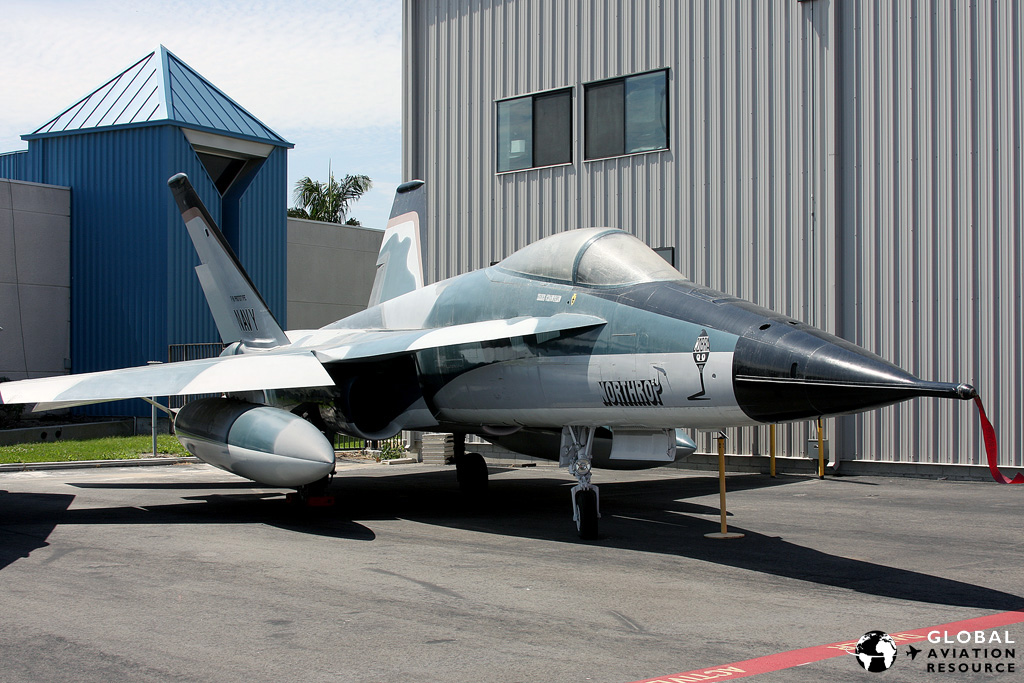
Following the LWF project, the US Navy launched the VFAX (Naval Fighter Attack Experimental) project to find a successor to the A-7 and F-4 then in widespread service. Both the LWF designs were modified and submitted for this project, with both manufacturers teaming up with companies with experience of producing naval aircraft – General Dynamics with LTV aerospace to develop the F-16N and Northrop with McDonnell Douglas for the F-18 project. The latter design ultimately prevailed and continues to serve the US Navy and Marine Corps in large numbers, as well as enjoying decent export orders. Two YF-17s were produced and the WMoF has one of them – following the LWF contest, the museum’s aircraft saw service with NASA ahead of the F/A-18 development program.
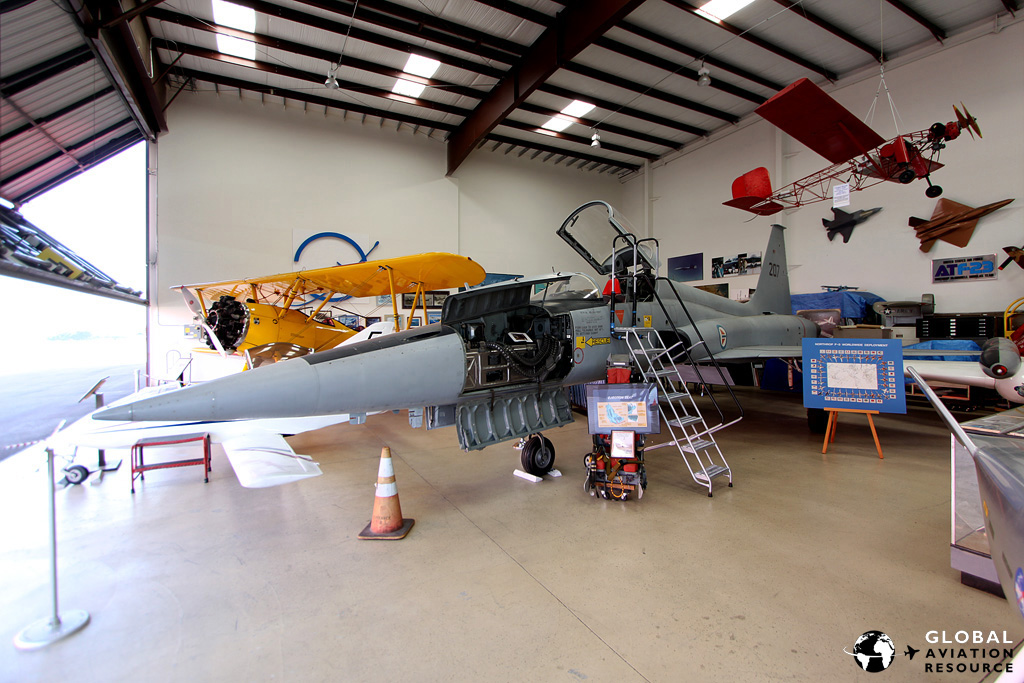
In addition to these Northrop designs, the museum also has an example of the company’s notable jet fighter success story, the F-5 Freedom Fighter. Rather bizarrely the example on display is an ex Royal Norwegian Air Force F-5A! There are however strong connections between the museum and the RNoAF – in 1979-80, the wreckage of a Norwegian Northrop N-3PB sea plane patrol bomber was recovered from an Icelandic river and restored at Hawthorne for the Norwegian Armed Forces Aircraft Collection at Gardemoen – the sole survivor of a batch of 24.
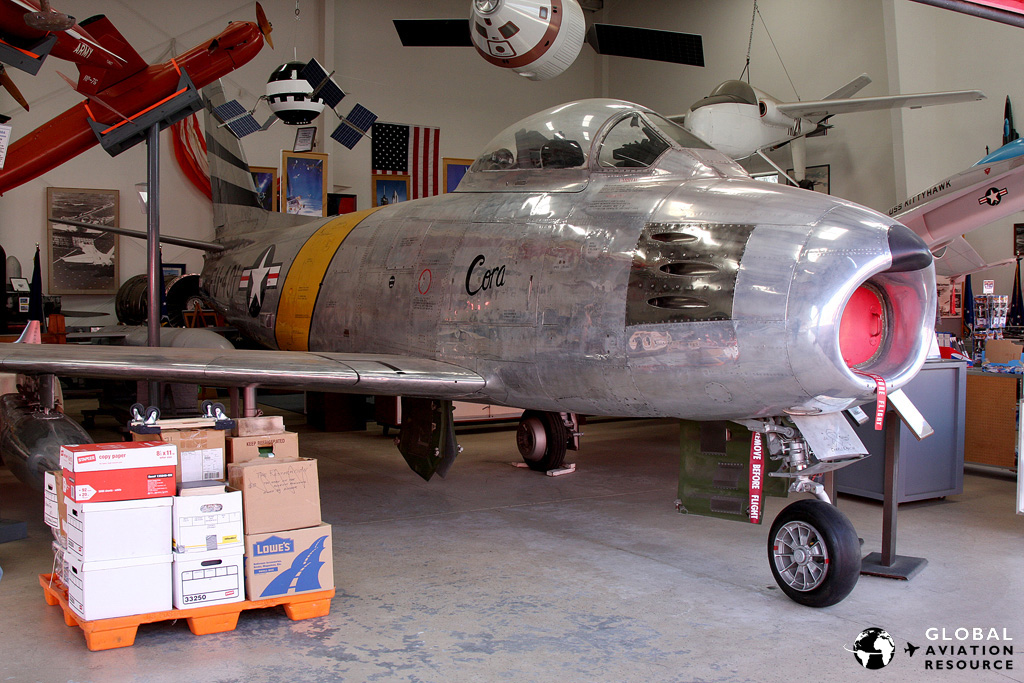
The F-5 is displayed in the hangar alongside an F-86 Sabre – although not a Northrop product, the Sabre was built by North American Aviation, another company to have a factory in Los Angeles. The Sabre on display is painted in a USAF colour scheme, but was in fact operated by the Japan Air Self Defense Force.
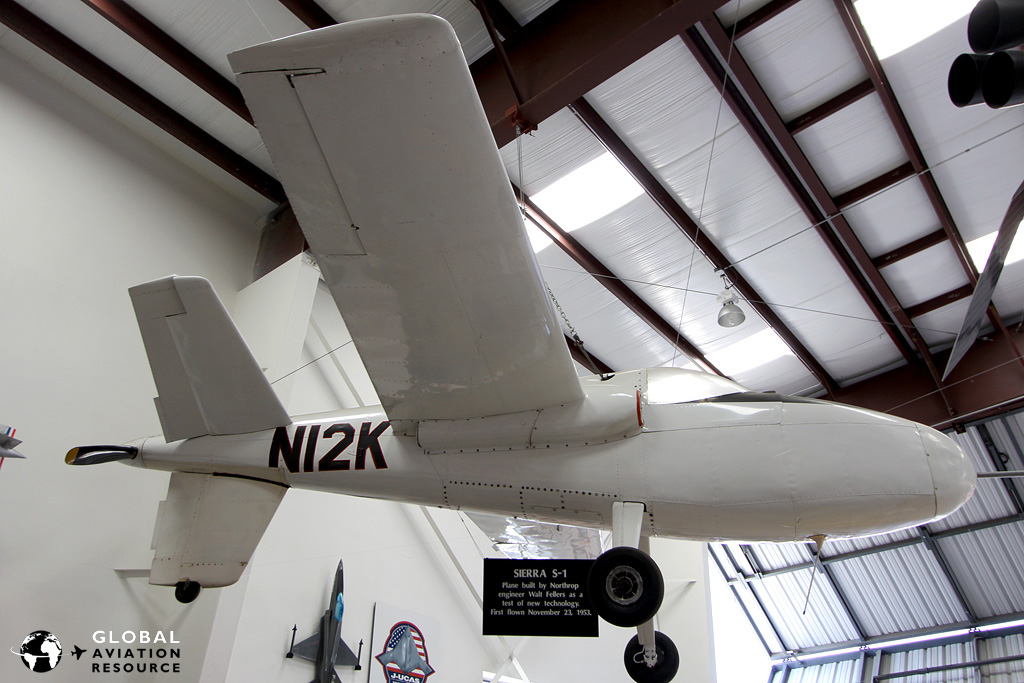
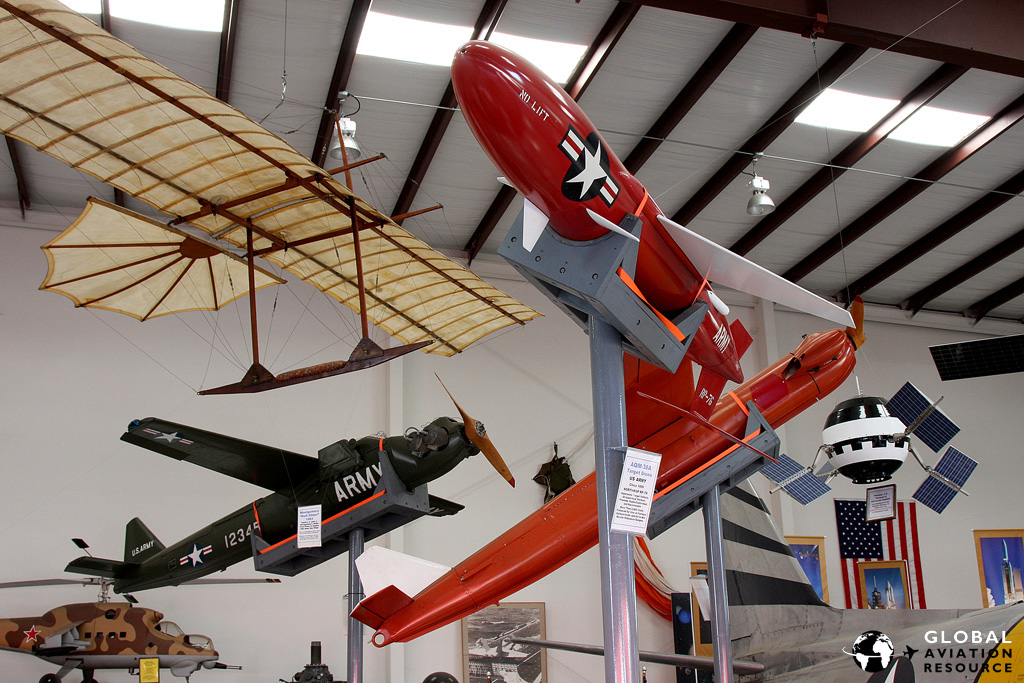
Also on display in the hangar is a Boeing Stearman with an interesting history – it was once owned by Hollywood legend Steve McQueen! A large proportion of the rest of the hangar is taken up by target drones of various shapes and sizes – many of these were also built by Northrop. One of the more unusual aircraft hanging inside the building is the Acme S-1 Sierra, an experimental aircraft built at Torrance in the late 1940s to investigate the benefits of a pusher engine configuration. In addition, the aircraft was unusual in that it had a Y-shaped tail. It was later used by Northrop for various test projects.
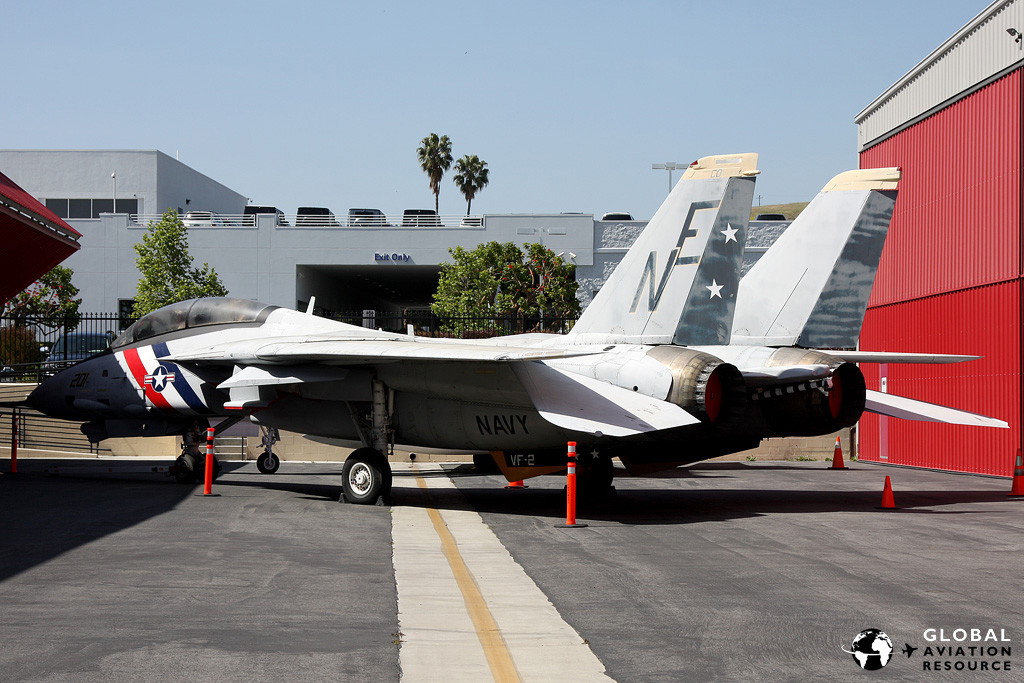
Completing the external display is a very smart example of the mighty Grumman F-14A Tomcat. The aircraft on display carries very smart high-vis VF-2 Bounty Hunters markings. Although not a SoCal product, the Tomcat will be forever linked with the former NAS Miramar and its Top Gun school, just along the coast towards San Diego.
The museum has a number of other aircraft and large amounts of archive material which are not currently on display. Aircraft include a Northrop F-89 Scorpion, Douglas A-4A Skyraider and DC-3. After suitable restoration these will hopefully come to Torrance and go on display when the museum is able to move to a larger facility.

 GAR wants to interact with its readers so if you have a question for the author or a comment to make on this feature, please click on the button below. The best comments will appear right here on GAR.
If you would like to discuss using any of our imagery or feature content please contact us.