
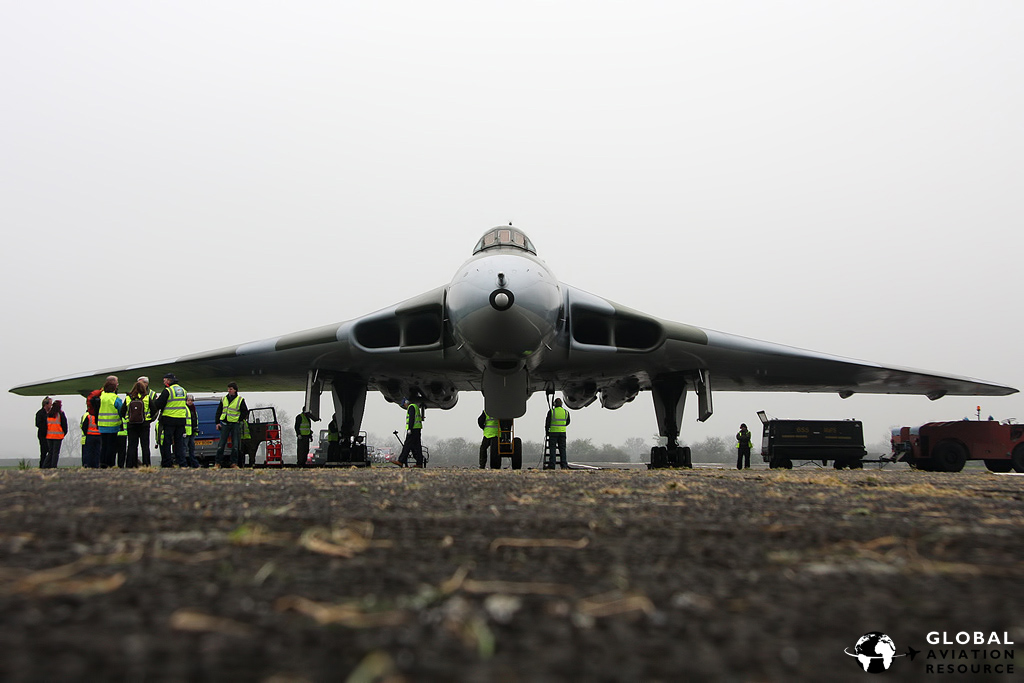
It’s Saturday 26th March and I’ve just pulled in to the car park at Wellesbourne Airfield which can be found hidden away in the Warwickshire countryside, not too far from Stratford-upon-Avon.
It’s a miserable looking day in all honesty and hard to believe that we are on the cusp of British Summer Time but, even through the mist I can see that Wellesbourne is a bigger airfield than I was expecting and is a hive of GA and rotary activity – or at least it would be if the weather was a little more appropriate for going flying.
It’s probably a good job therefore that my visit today has nothing to do with getting airborne, although that is something that, as we will see, will be simulated in the cockpit of Vulcan B.2 XM655.
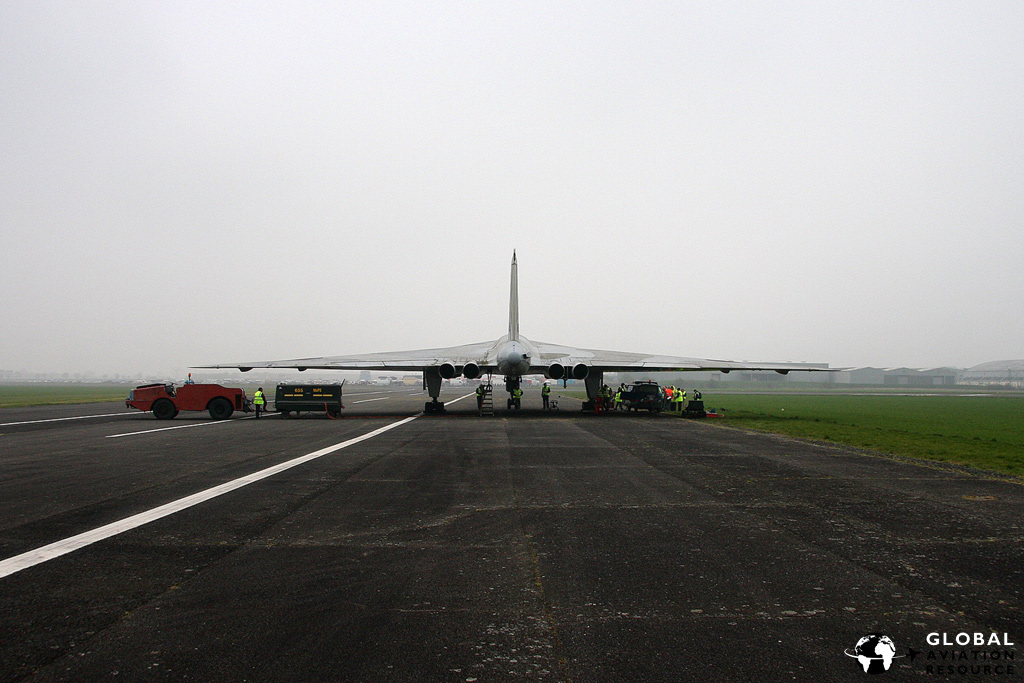
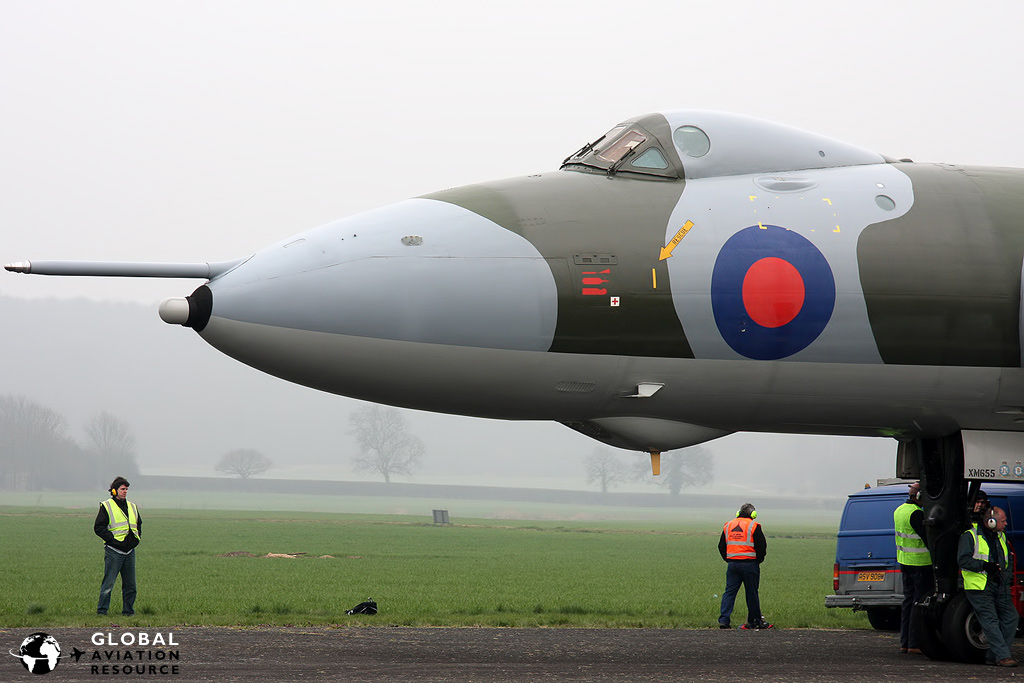
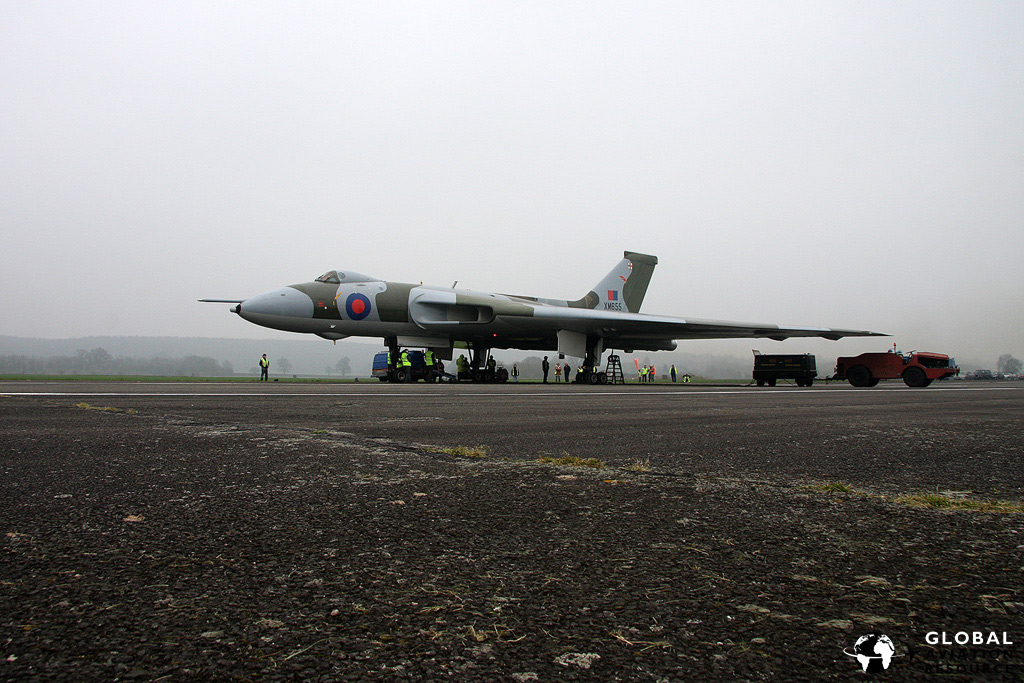
The first Vulcan to be purchased by a civilian owner, XM655 is a B.2 and the youngest example of the mighty delta in existence – both the aircraft which followed her, ‘656 and ‘657, having been scrapped. She served with 9 Squadron at RAF Cottesmore, then 50 Squadron, 44 Squadron, back to 50 Squadron, once again with 44 Squadron and then, you guessed it, returned to 50 Squadron before being made available for disposal in 1983.
Purchased by businessman Roy Jacobsen who hoped to fly her on the airshow circuit, she arrived at Wellesbourne on the 11th February 1984 with a crowd of hundreds present to greet her. With just 5744 hours on the clock, the idea that ‘655 might remain airworthy seemed genuinely achievable, at least until the CAA decided on a list of stringent provisions which would have to be satisfied for that to take place. The aircraft was however registered as G-VULC while a quest for funding began, but it was a struggle, and she was even registered in America as N655AV when the prospect of flying her in the USA was explored.
Alas, Jacobsen eventually lost interest and bought another Vulcan, XL426 at Southend, and Wellesbourne was forced to take him to court to recover unpaid parking fees; an action which resulted in ownership of XM655 being transferred to the airfield’s owner John Littler.
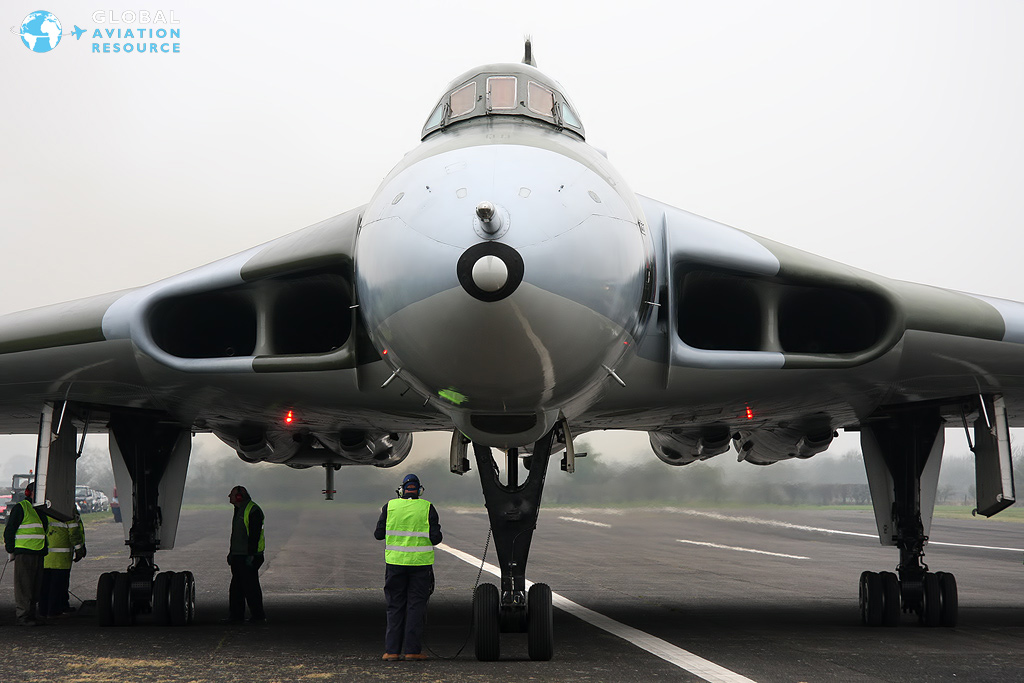
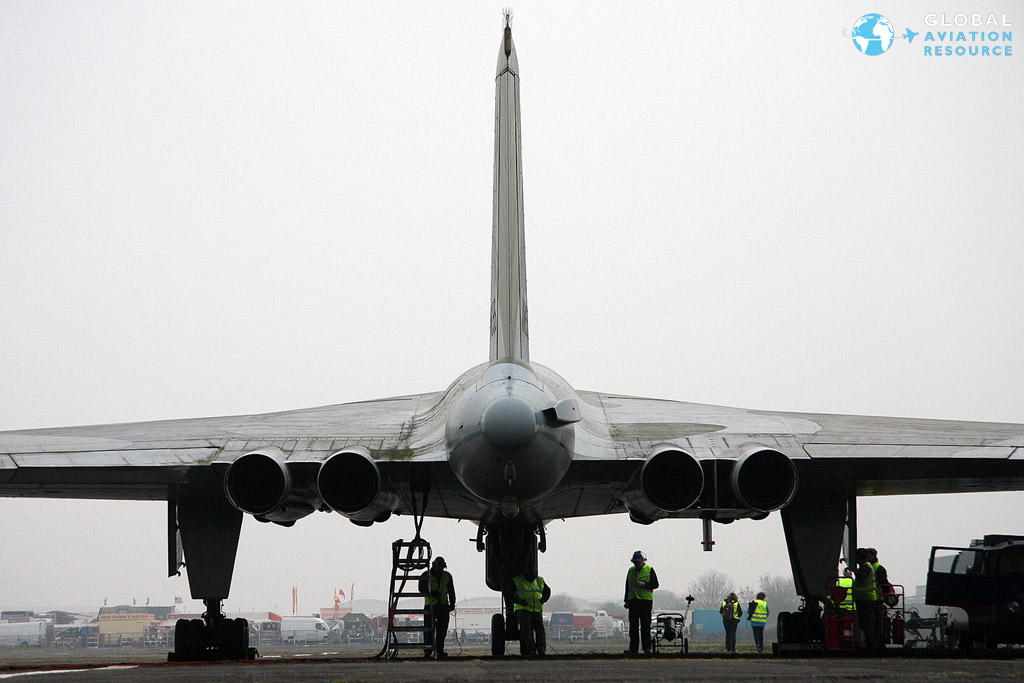
Sadly though, ten years of neglect had taken its toll and by this stage XM655 was in poor condition and had even been vandalised, her cockpit trashed and missing a control column – this had been removed with a hacksaw. The change of ownership worked wonders however and she is now maintained by a dedicated team of volunteers and operates in a taxyable condition. She looks resplendent following a relatively recent repaint and, from my seat in the warmth of Wellesbourne’s friendly café I can see her across the airfield being prepared for the day’s events; an imposing sight in the murk.
So why am I here? Well, in a nutshell, XM655 will to all intents and purposes be used as a simulator for the day. We all know the financial pressures that The Vulcan Operating Company finds itself under so it quite simply isn’t feasible to use XH558 to complete all the training that the aircrew needs for the season ahead. To that end, a visit to Wellesbourne enables the team to tick plenty of boxes without actually getting airborne and accruing the costs that such an exercise would result in.
There is however another reason. My invite today came about from remaining in regular contact with Flt Lt Bill Ramsey. Bill, a full time Reservist instructor with 1 EFTS at RAF Cranwell, completed two years on the airshow circuit as the Tutor display pilot last year and includes a season with the BBMF on his CV as well as a tour as Senior Supervisor to the Red Arrows. He began his regular RAF career however as a Vulcan pilot, which is the biggest giveaway as to why he will be here today.
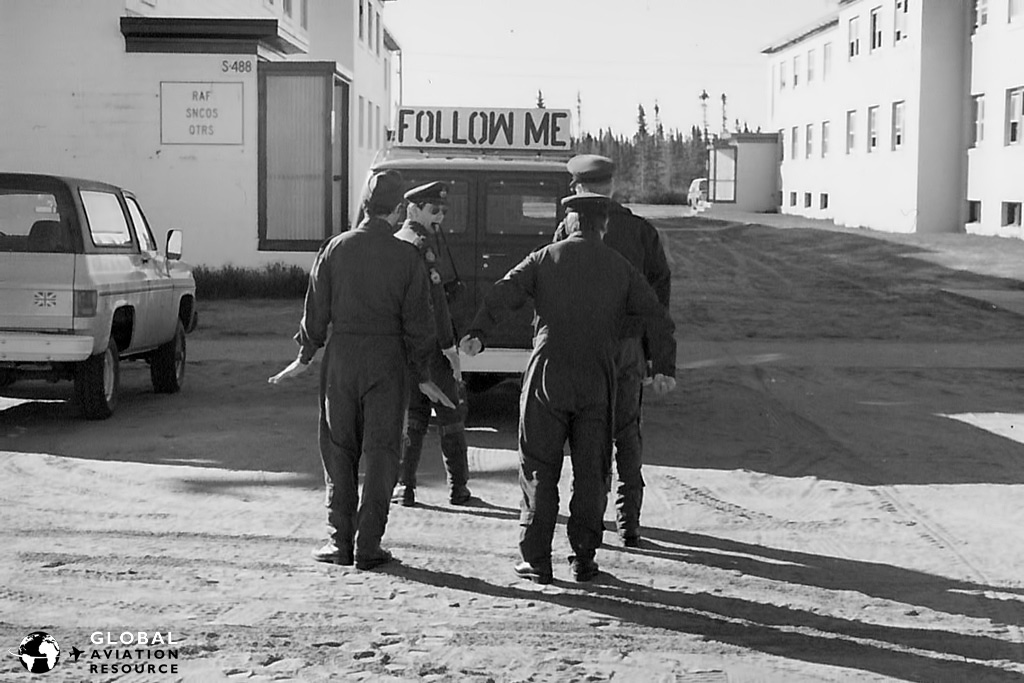

You’ve got it in one – Bill has accepted an invitation to join TVOC’s roster of aircrew for XH558 and, having already completed two days of ‘ground school’ with the rest of the guys, will be here to get his hands on the aircraft once again - for the first time in 34 years!
“I started on 230 OCU (Operational Conversion Unit) early in 1975 and was then a co-pilot on 35 Squadron through 1975 to 1978,” he tells me. “Mostly I was part of ‘Crew 3 - The Lewis Crew’ and, uniquely at that time I think, we had both a Flying Officer captain, Fg Off Glyn Lewis and co-pilot, me. We liked to think we were the best looking front crew in the V-Force and yep, I was only 21 when I got there!
“The rear crew was Sqn Ldr Roger Betts (Radar), Flt Lt Al Collins (Plotter) and Flt Lt Dennis Hill (AEO) and I did about 760 hours on the Vulcan in total. Interestingly the method of crewing was identical to that used for the heavy bombers in World War Two. Three potential crews met for sea survival training at Mountbatten (in our case the Captain and Radar [Flight Commander] had already been pre-selected for Crew 3) - the rest of us were chosen by horse trading over many beers! In the case of Crew 3 we got on famously – this wasn’t always the case however.”
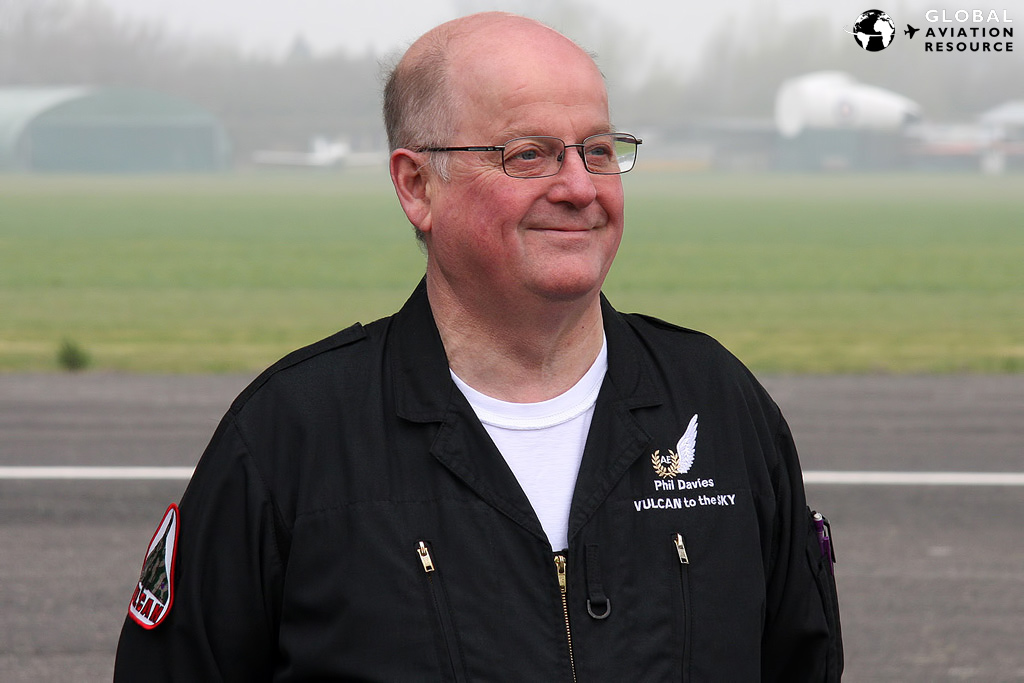
Bill is one of the first to arrive, along with AEO (Air Electronics Officer) Phil Davies and, as they join me in ordering a fresh round of teas and coffees, I ask Bill what his expectations are for the day ahead?
“I am looking forward to it but I suppose I’m curious really as well,” he admits. “I don’t really know how I’m going to feel climbing in to the cockpit again but I do know one thing, which is that when I visited the Vulcan at Newark Air Museum a few years ago even the smell of the undercarriage bay brought back a host of memories, so we’ll see what today brings.”
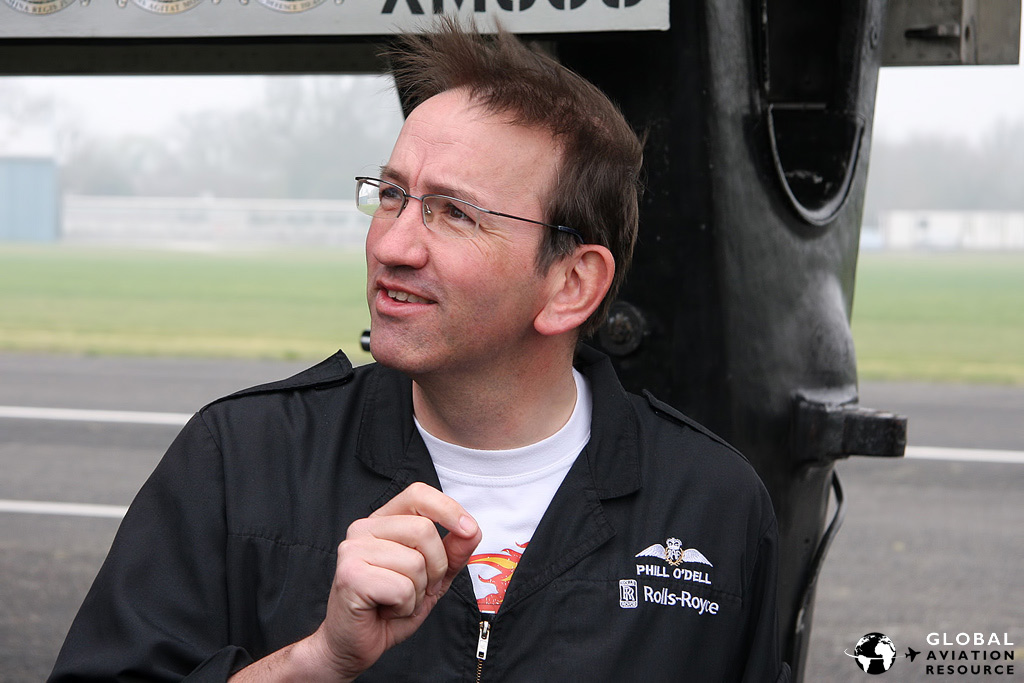
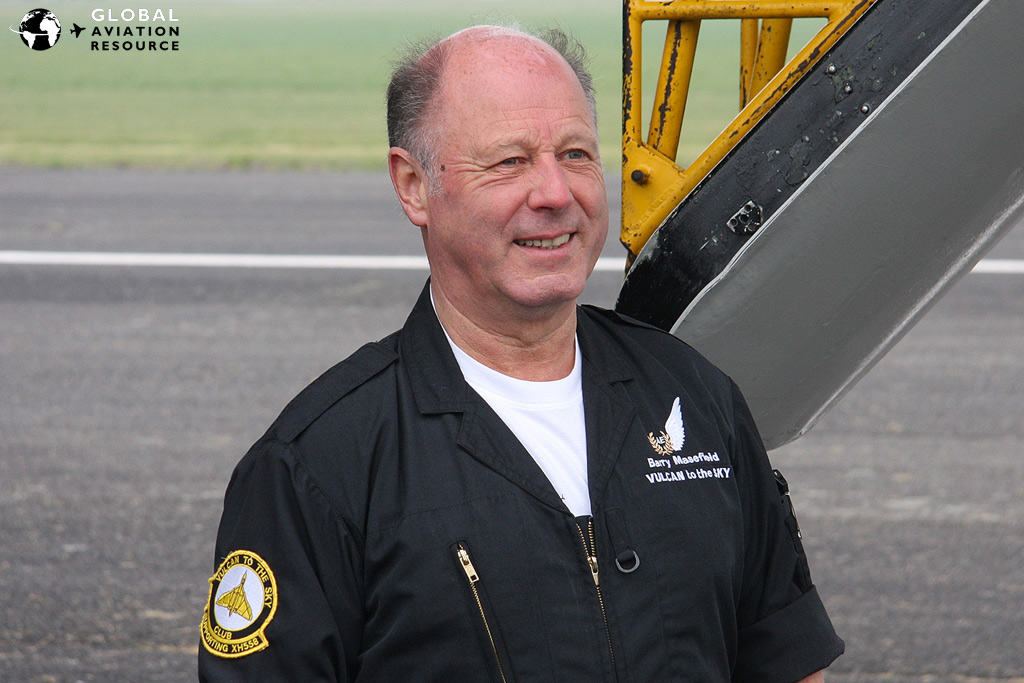
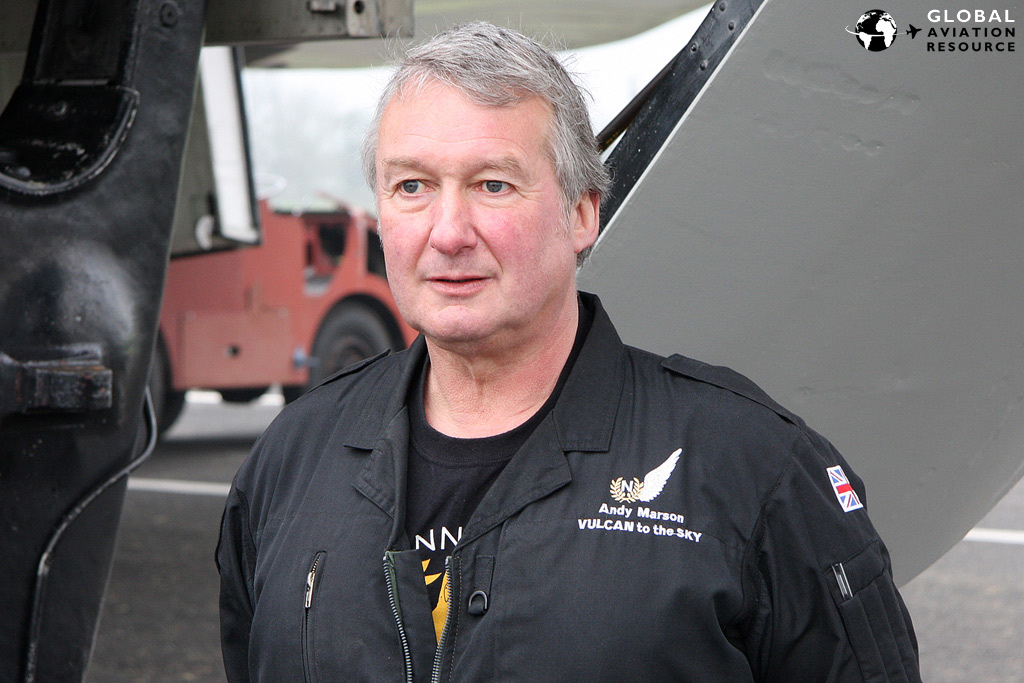
Soon, in dribs and drabs, the rest of the aircrew arrive and join us, and I find myself introduced to Bill Perrins, Barry Masefield, Mike Pollitt, Kev Rumens, Andy Marson, Phill O’Dell and of course Martin Withers – last to arrive having found himself in Stratford; a regular occurrence on visits to Wellesbourne according to his colleagues and one which results in much laughter as he enters the room.
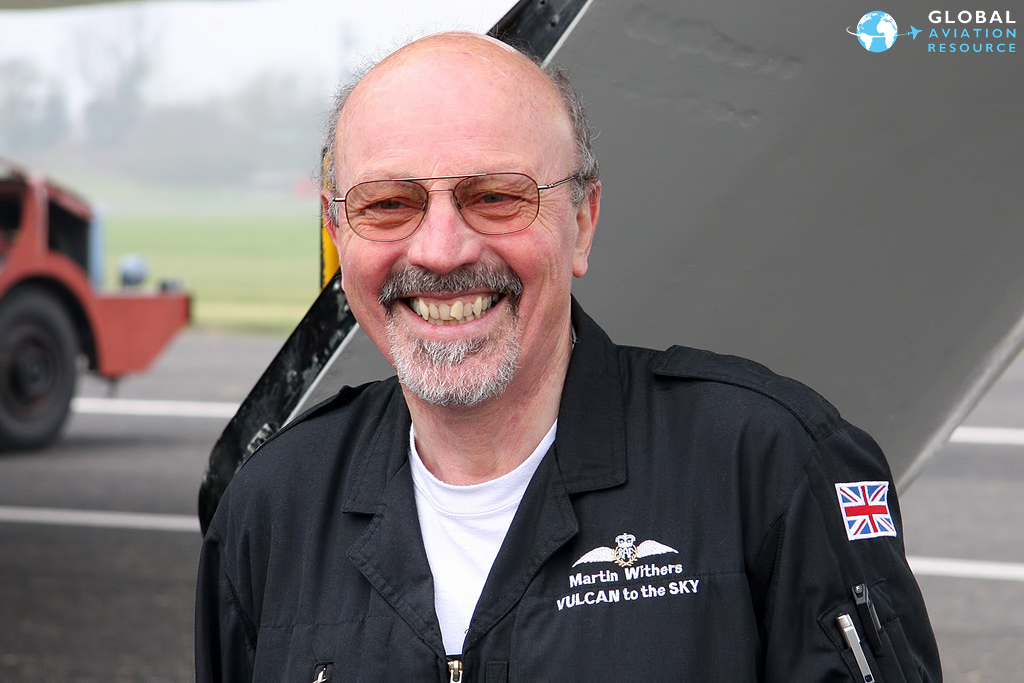
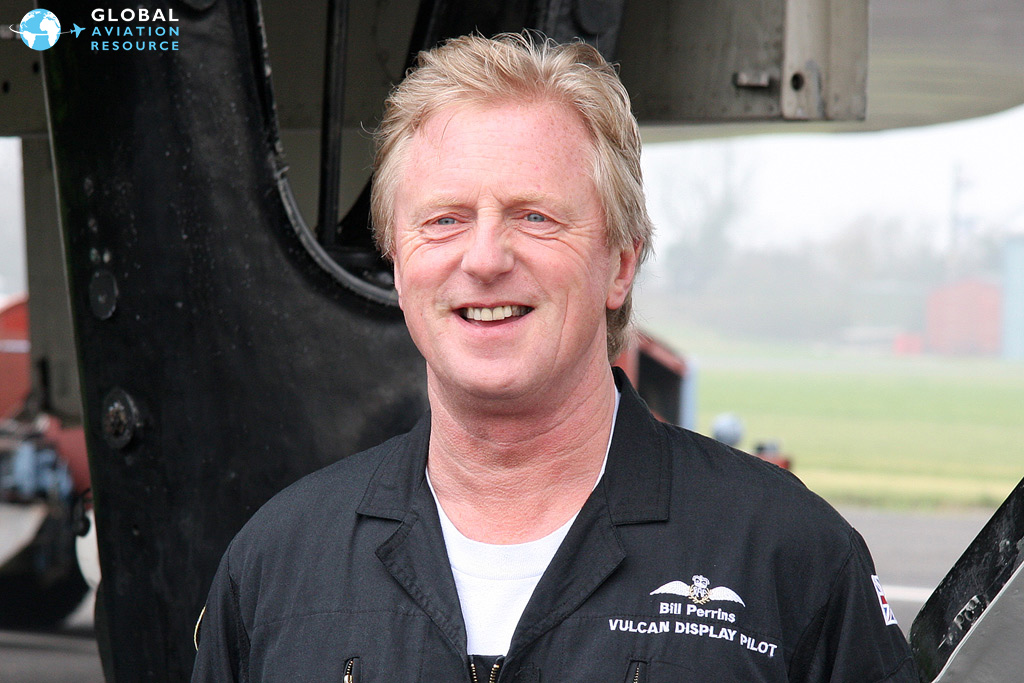
Walking in to the now crowded café, Martin takes the time to sit down and gives me an idea of the plan.
“We’ll basically try and achieve everything in two shifts,” he tells me. “We’ll do a normal start in the first shift and run through all the checks right up to the point at which we would, notionally, be ready for take-off.
“We’ll then simulate an airborne scenario with engines at idle and go through the drills for a double engine failure, the approach to land through to a full stop on the runway and abandoning the aircraft.
“The second shift will see us conducting a normal start and discussing potential start-up faults. We’ll then perform a couple of taxi runs in a figure of eight pattern – this is good training especially for people like Bill (Ramsey) who haven’t done this for a long time and POD (Rolls Royce Test Pilot Phil O’Dell) whose hands-on Vulcan time is quite limited. Finally we’ll simulate a rejected take-off and once again abandon the aircraft.”


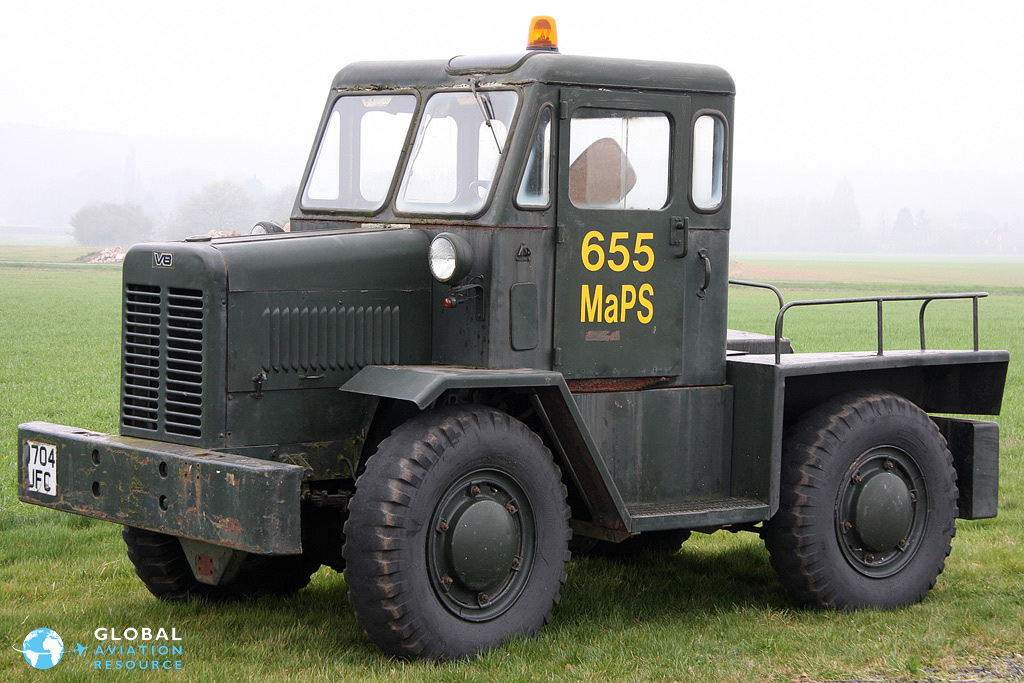
Then, with a thumbs-up from the XM655 MAPS (Maintenance and Preservation Society) ground crew, we walk out to various cars and make our way out to the centre of the airfield and the jet herself, parked as she is on the old cross runway.
Bill wants to grab the opportunity to take a look inside before they get cracking so, on his invitation and with the blessing of the ground crew, I follow him up the ladder. Inside XM655 looks totally authentic and pretty much wholly intact from her service days. It’s certainly very different to XH558’s cockpit where, if all the original systems been retained, they would need to have been kept in working order. Taking the old rear cockpit avionics out didn't actually save much weight the heavy parts of those systems are still installed (but officially disabled) on XH558 to maintain weight and balance. This avoided the need for ballast and, despite reducing weight significantly, mainly by removing wiring, the aircraft has been kept in its original weight and balance range to ensure her flying characteristics remain unaltered.
“The hardest thing was always getting in the right position to slide between the two ejection seats,” Bill recalls as I reach the top of the ladder, then “that’s it, I’m in!”
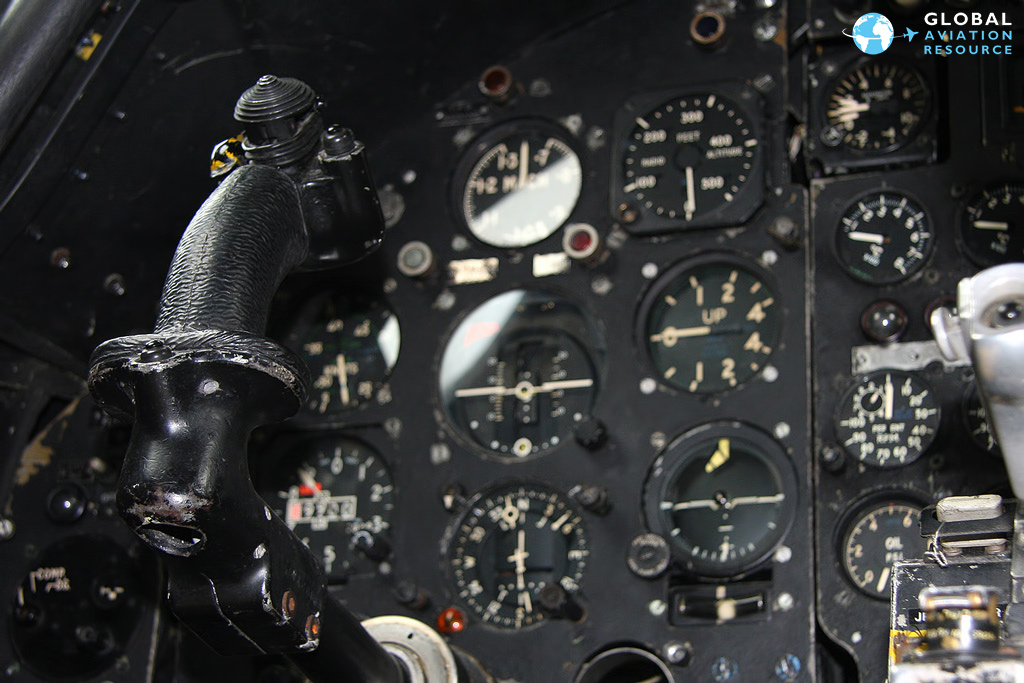
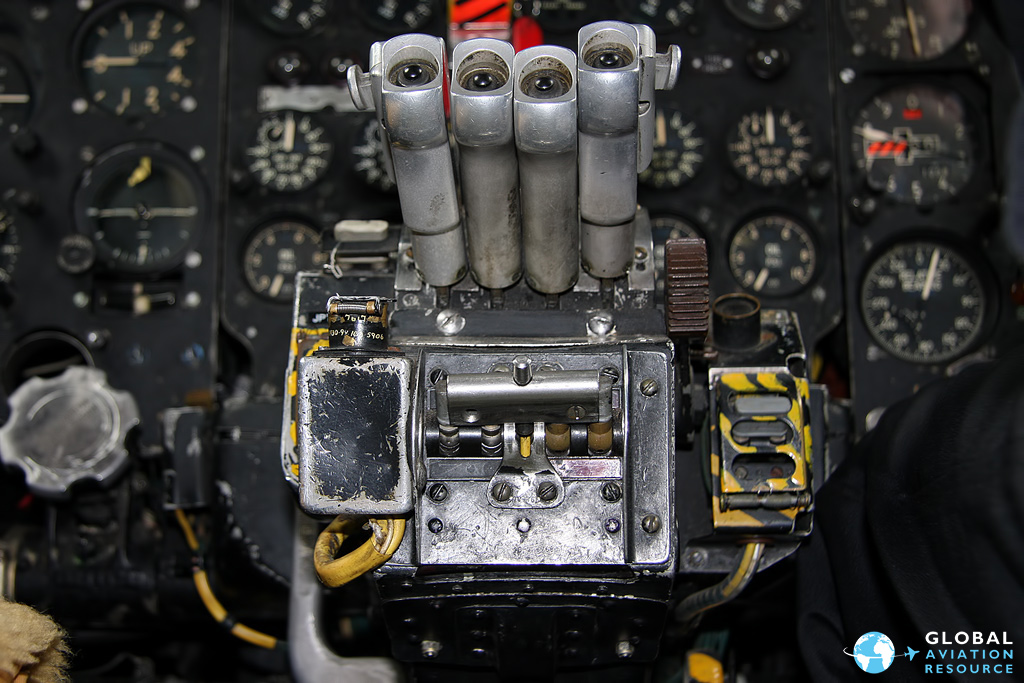

With Bill safely ensconced in the right hand seat I take it all in and it strikes me that it is actually a real privilege to be here at this moment. Regardless of the fact that Bill has become a good mate through the work we’ve done with him on GAR, here I am with a pilot revisiting an aircraft that he used to fly for the first time in more than three decades – and he’s getting ready to potentially fly it again. As for Bill, he takes a few minutes scanning over the cockpit and refreshing his memory while I attempt to grab a few usable images before we clamber back down the ladder.
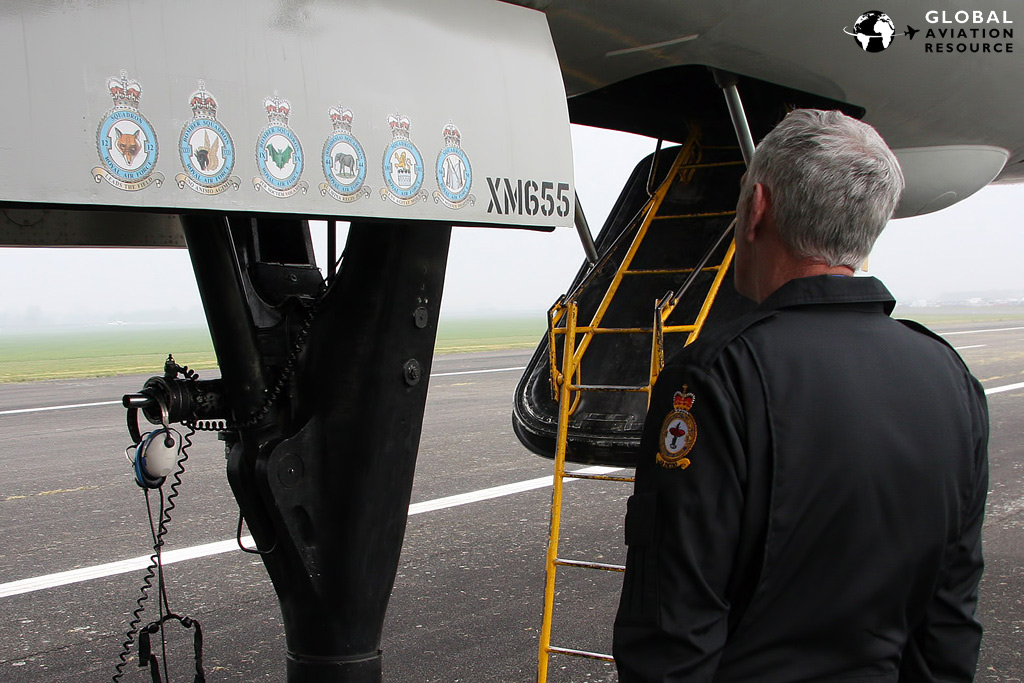
“There’s that smell,” remarks Bill as we stand beneath the wheel well. It smells just like ‘old aircraft’ to me – but he maintains that it has a particular Vulcan ring to it and who am I to argue?
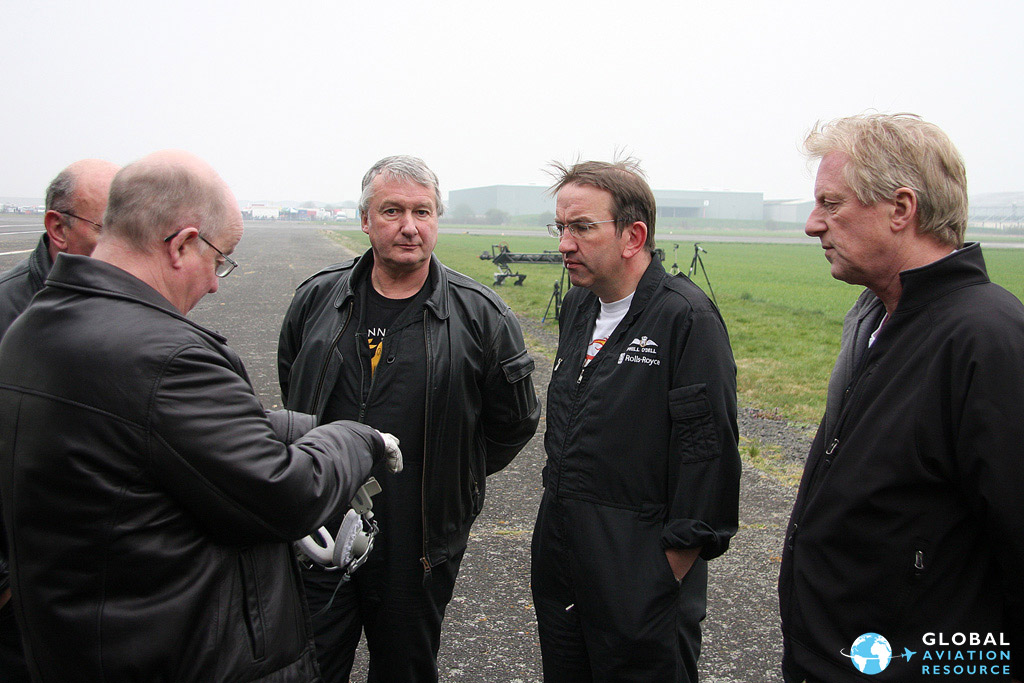
With the crew all assembled and some group and individual images taken, they gather up helmets and flight bags and then, one by one, disappear up the ladder. It’s time to get snapping, for being this close to a Vulcan in these circumstances is clearly not something that happens especially often. With that in mind, and the fact that I’m here on my own without the back-up of what I always think of as being a ‘proper photographer’, I get to work; determined to get enough to illustrate this piece.
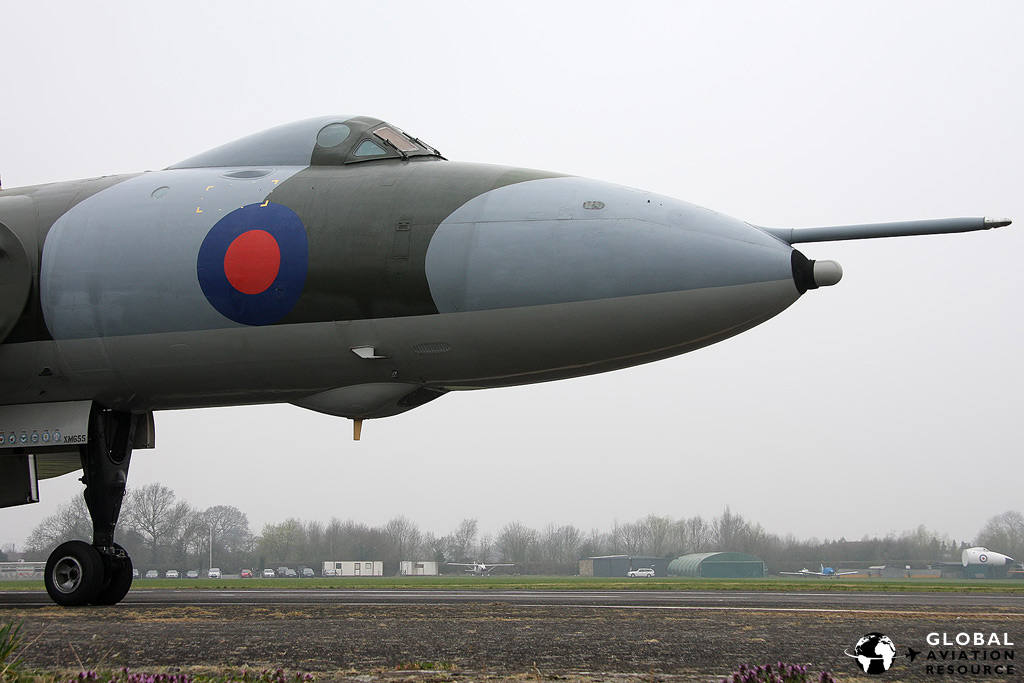
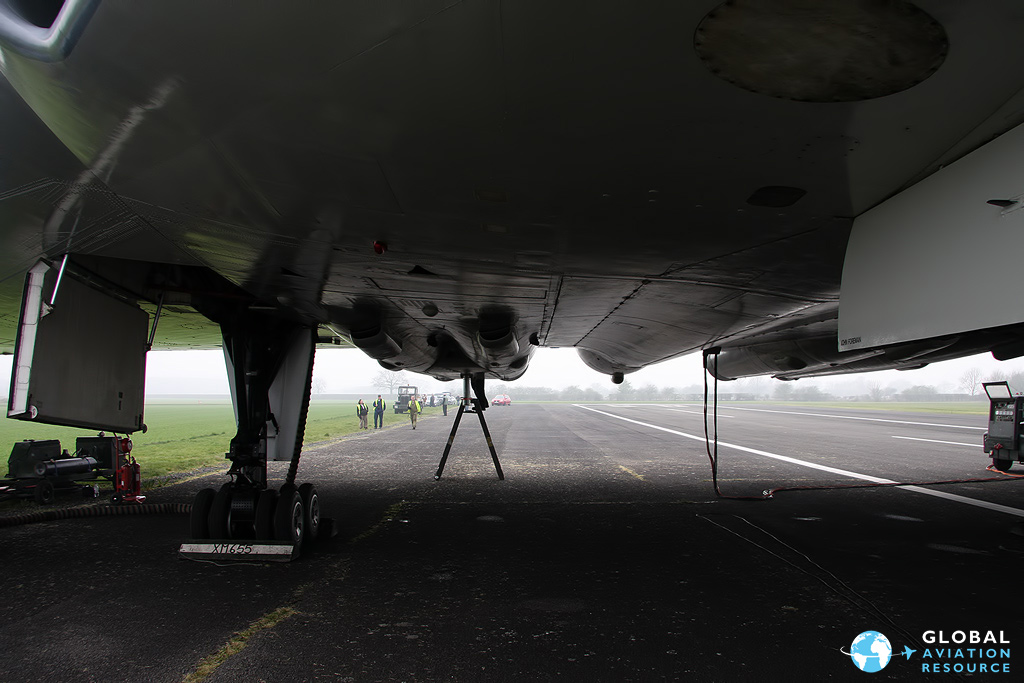
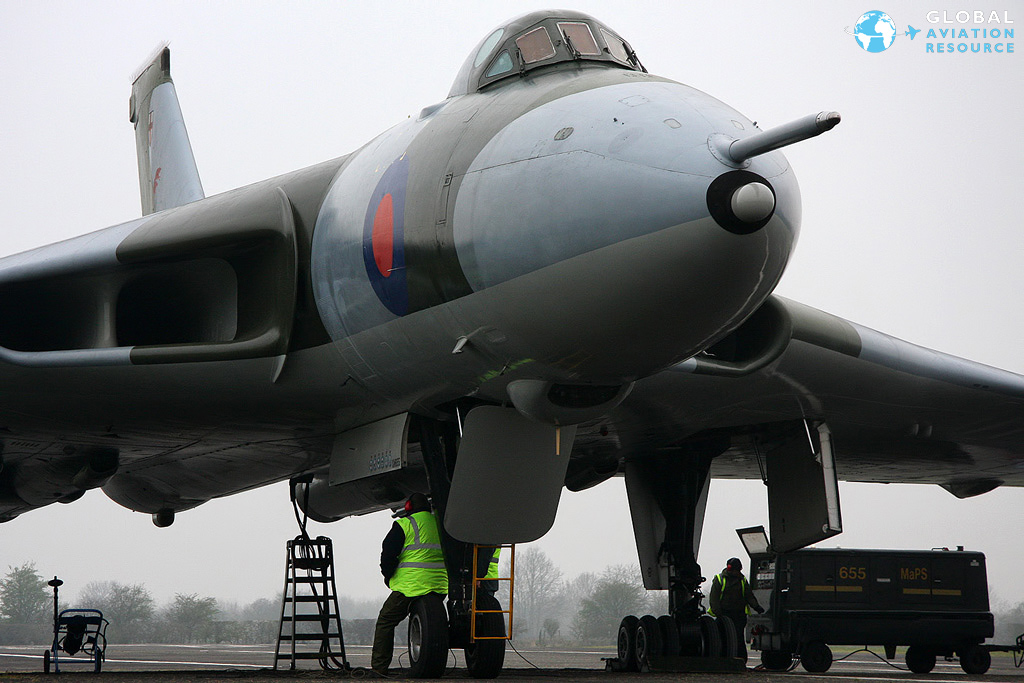
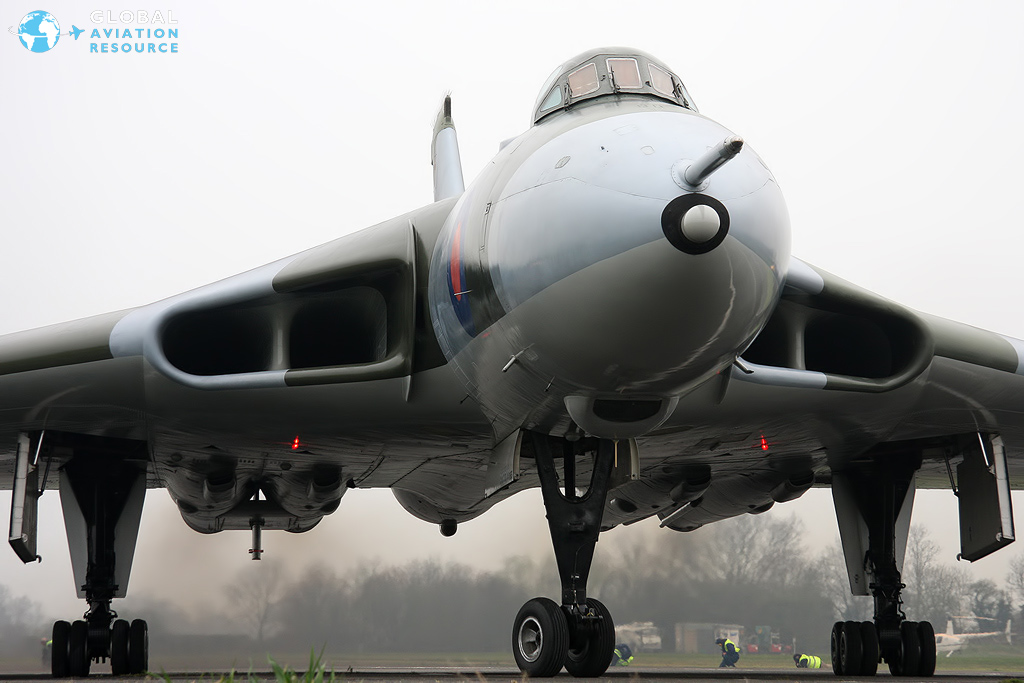
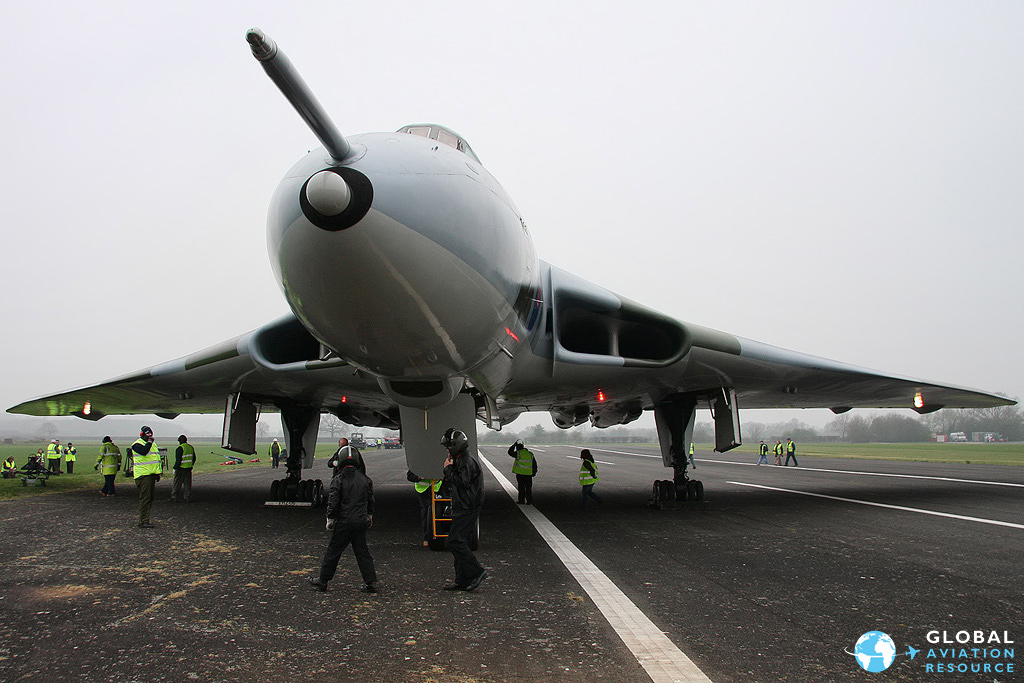
She’s a photogenic Vulcan that’s for sure. Now, that might seem like a strange thing to say, but with her excellent paint job and the atmospheric conditions she really does look like she’s ready to go to work. Of note is the bulge under the refuelling probe, this being the General Dynamics Terrain Following Radar Pod which was trialled by Boscombe Down in the 1960s and was the first TFR system installed in a UK operational aircraft.
The crew is inside for a long time during this first session and it seems to take an age before the engines finally start and she sits running for a further period before shut down and a (fairly!) rapid crew egress, the ‘abandon aircraft’ drill successfully completed. It’s quite chilly out on the airfield and while a hot drink would go down a treat the sight of a MAPS volunteer approaching with a large container of cakes is a welcome one and, like the crew, I gratefully accept the offer.
“Sorry we took so long,” says Martin who has made a beeline to me for a chat, muffin in hand, “we had a lot to cover and the checks take ages. When we start up for the second session we’ll use the same checks we use for XH558 which don’t take anywhere near as long.
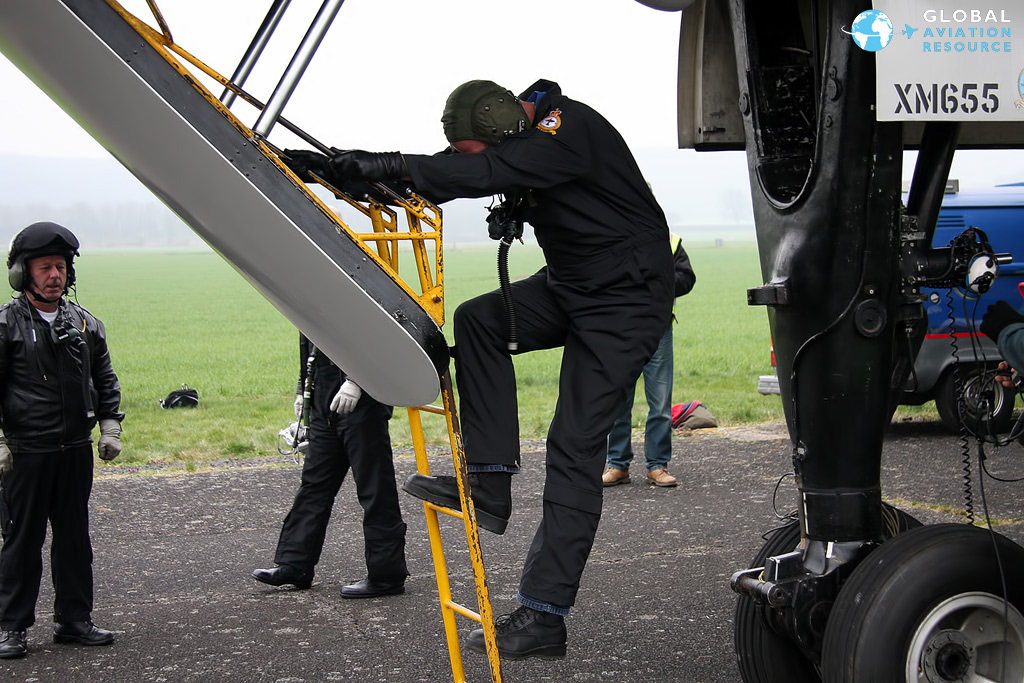
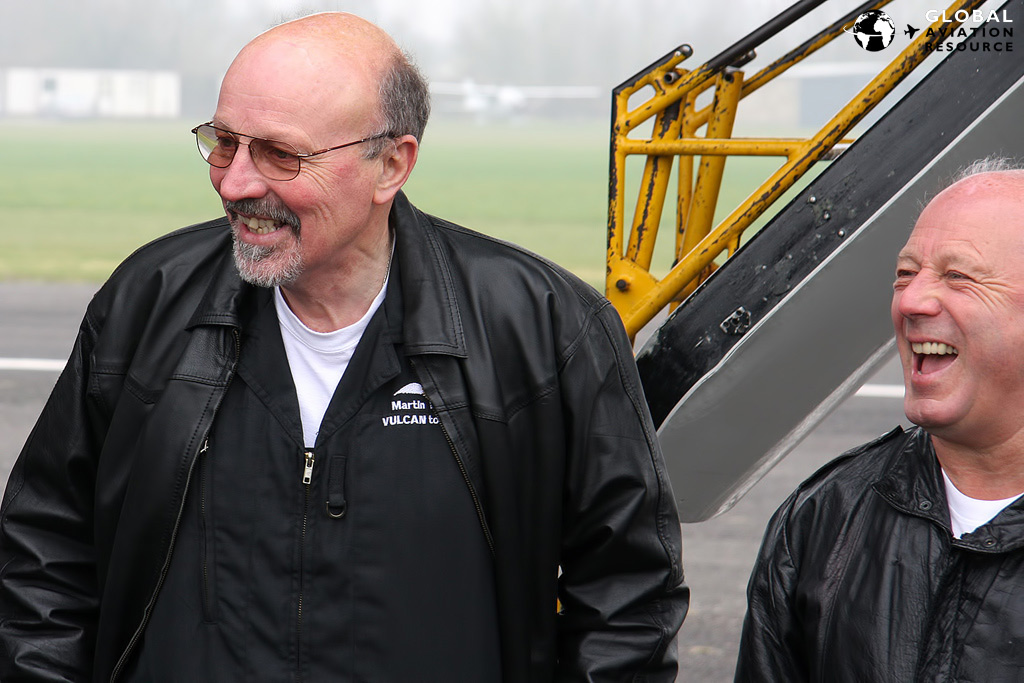
“This is a Vulcan as she was back in the day,” Bill elaborates, “and with no automated engine management system you have be very careful feeding the fuel into the engines little by little so that you don’t over-fuel them. That could result in an engine backfiring, as it were, and stalling.”
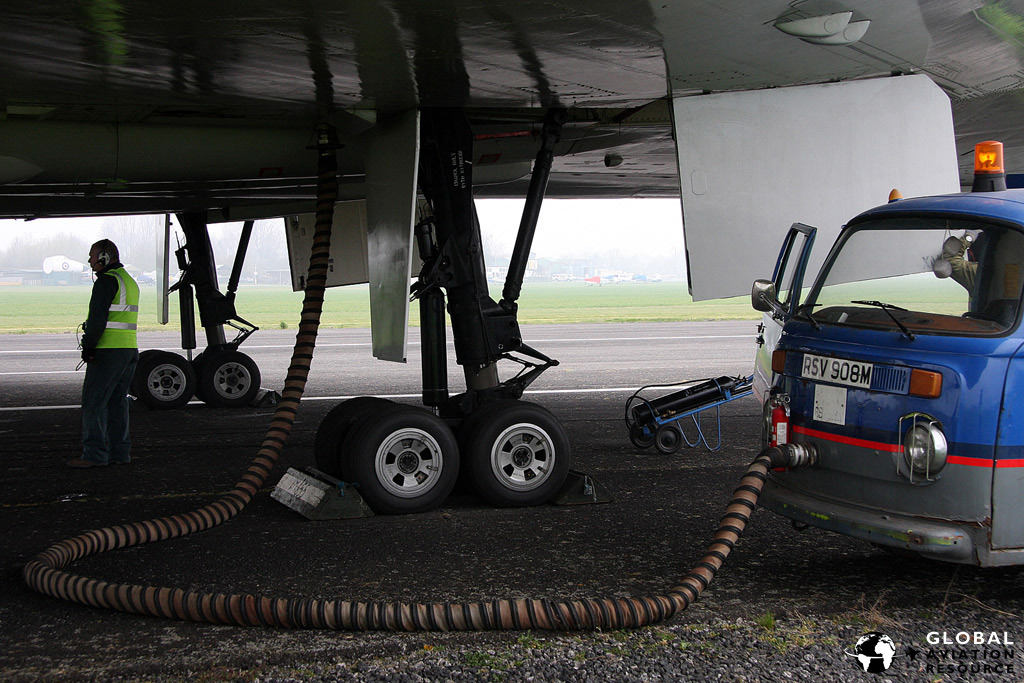
With a debrief and consumption of homemade bakery complete it’s time for the crew to step aboard XM655 once again and, much more quickly this time, she is soon sitting with her engines running preparing to taxi. My vantage point, lying flat on the ground a matter of metres away, is an awesome one to be honest. I mean, how often do you get the chance to do this so close to a good few tonnes of Cold War bomber, engines running, nav lights blinking in the gloom?
She looks an awful lot like a warplane right now and much less a figure of national airshow affection and it briefly crosses my mind that it would impress even the biggest doubter.
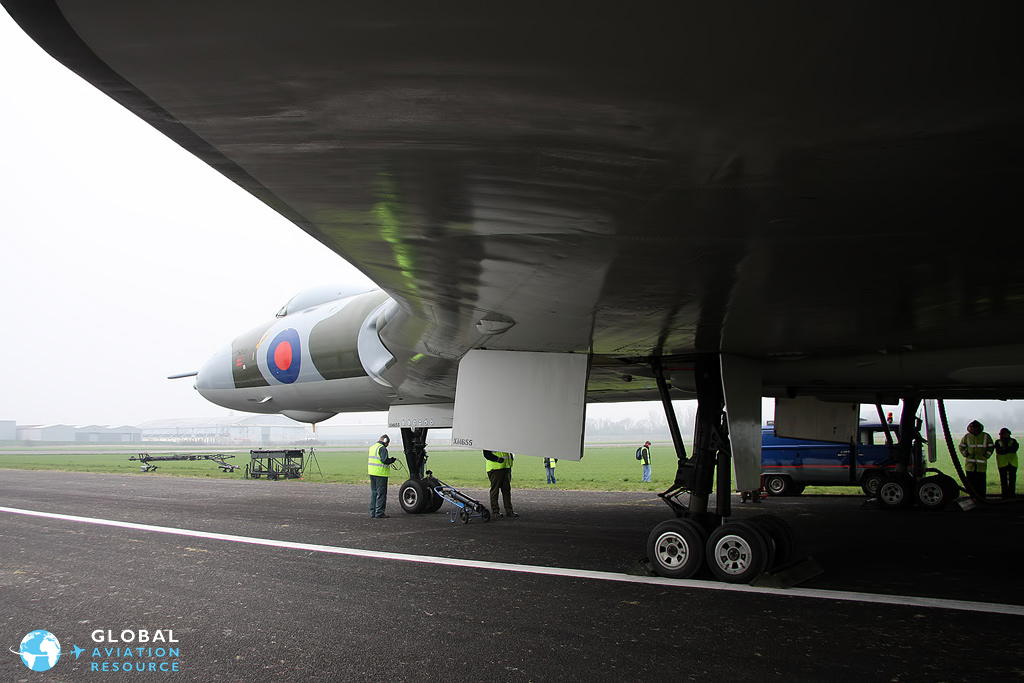
A few minutes later and the MAPS team has cleared away the ground equipment, chocks are removed and, even through the ear defenders I’m glad to be wearing, the engines take on a distinctive new note. XM655 begins to roll as Bill waves once from the starboard window.
I move to a new perspective and as she’s taxying directly towards me I can’t help but take the camera away to watch for a few seconds as she gently moves forwards before turning, leaving those watching from behind her scurrying away and dust and grass flying in her wake.
As per the plan she then turns and comes back round, drawing an imaginary figure of eight with her path before braking to a halt and repeating the process for the benefit of another member of the crew. It really is an extraordinary sight to be confronted with in the middle of the Warwickshire countryside, and there is a real sense that I’m watching XM655 come to life, even if just for a few minutes, and how lucky we are to have groups of volunteers to maintain aircraft like this in this condition.
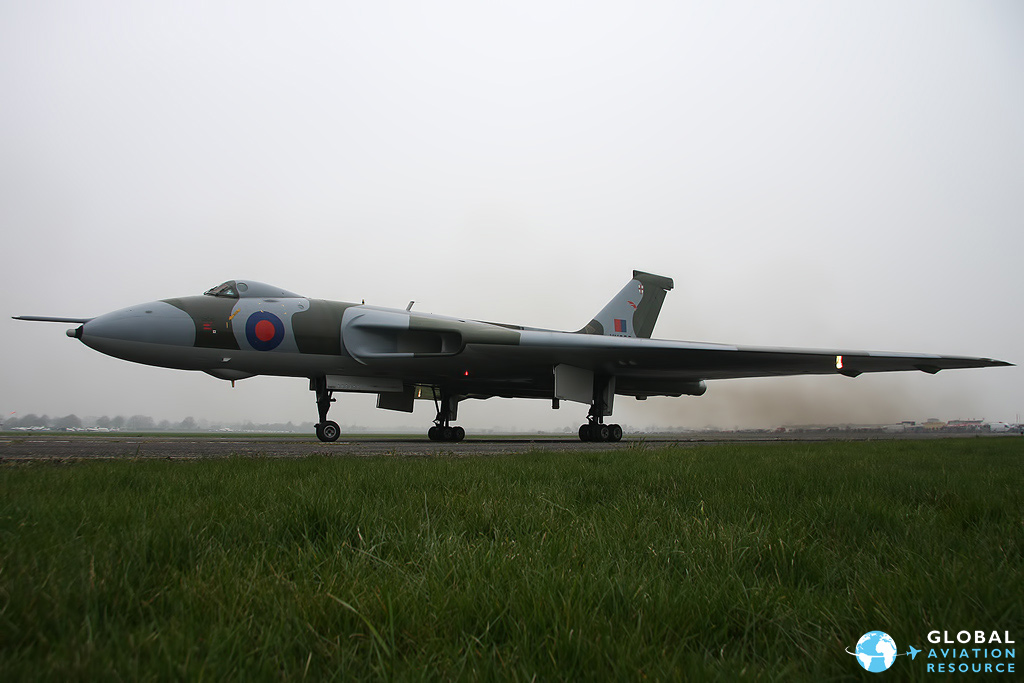
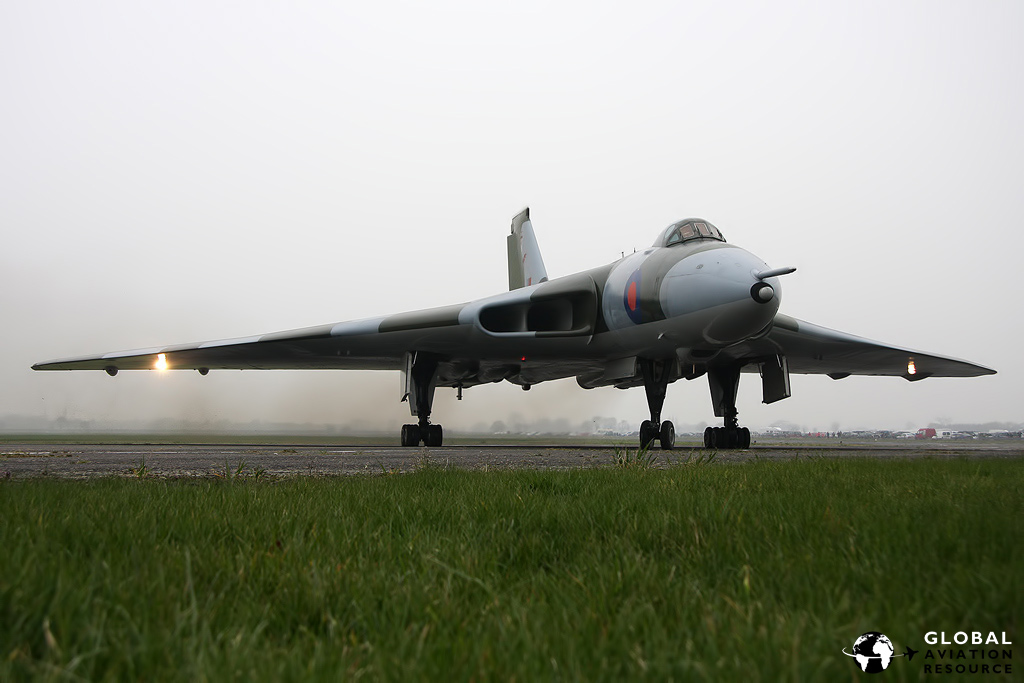
As the engines wind down and the crew practices a final abandon aircraft drill, silence falls across Wellesbourne and XM655 once again lies dormant but ever proud, perhaps the ultimate symbol of Great Britain’s Cold War Royal Air Force. I take a second to gather my thoughts and wander over to the front of the aircraft and the crew, now gathered around the nose wheel.
“It all came flooding back,” Bill laughs, “as we crewed in I couldn’t help but feel this foreboding sense that we were heading off on a four hour trip somewhere, just like in the old days!”
I wonder what he’ll think when he flies it!
 GAR wants to interact with its readers so if you have a question for the author or a comment to make on this feature, please click on the button below. The best comments will appear right here on GAR.
If you would like to discuss using any of our imagery or feature content please contact us.