



Opened on 1 May 79 as the Aerospace Museum, the Royal Air Force Museum at RAF Cosford, or just ‘Cosford’, as it’s more informally known, houses a truly fantastic range of aircraft. Initially, this range encompassed just RAF types and, even more specifically, airframes used for training purposes at Cosford itself. The arrival of the British Airways collection a year later added a new dimension – as did the gathering-in of restored aircraft located at other RAF sites - but while the airliners have since been scrapped, the museum’s spread of types remains stunning. Where else can you see such a collection of pioneering Post War British jets, all three V-Bombers and some real rarities from the WW2 era? Cosford has it all.


I’d wanted to visit Cosford for years, but somehow never quite got round to it. I’d always thought it was that bit too far for a day trip, but the Classic Flight Night Runs at Coventry on December 11th gave me a neat opportunity to get myself there (I was staying overnight in Coventry...see). I also had a couple of reservations over the photo opportunities that the museum offered. While I’d seen many excellent shots taken there over the years, lots of comments had also been made over the lighting inside and the aircraft positioning. I can truly say that I didn’t encounter too many difficulties on either front.
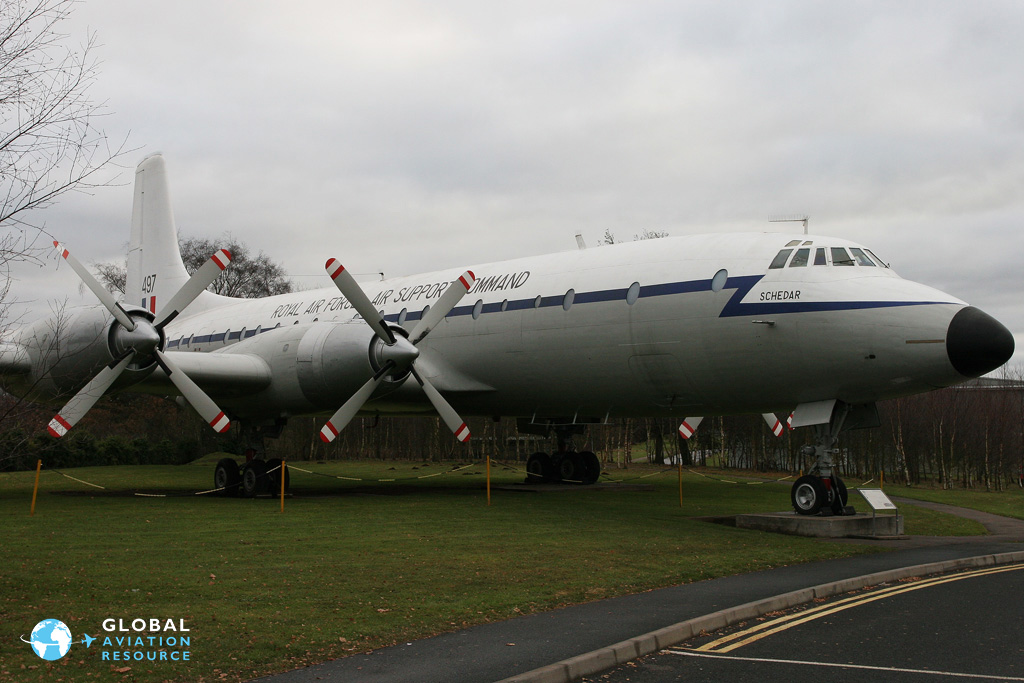
Cosford’s aircraft are located within three hangars and at various outdoor locations. Driving up to the site, the first to be encountered is a Hawker Hunter F6A, which is effectively a gate guardian. Off to the side of the car park sits a Bristol Britannia in full RAF Air Support Command colours, gently framed by the trees. These two, along with an ex-RAF Jetstream and the former-Royal Netherlands Navy Lockheed SP-2H Neptune now make up the museum’s external exhibit quota.


Of these, it’s the Neptune that really caught my eye: I’d never seen one ‘in the flesh’ before now, but it’s always been one of my favourite aircraft. This example was delivered to RAF Cosford in 1982 and has worn its current scheme for the past decade. To observe it in late 2010, it’s been faded a bit by the air, but that suits it: it looks like a proper working aircraft. This contrasts with many of the ultra-shiny types on show inside and, of course, that’s (literally) a reflection of exterior versus interior, but it’s also just one aspect where Cosford really excels.
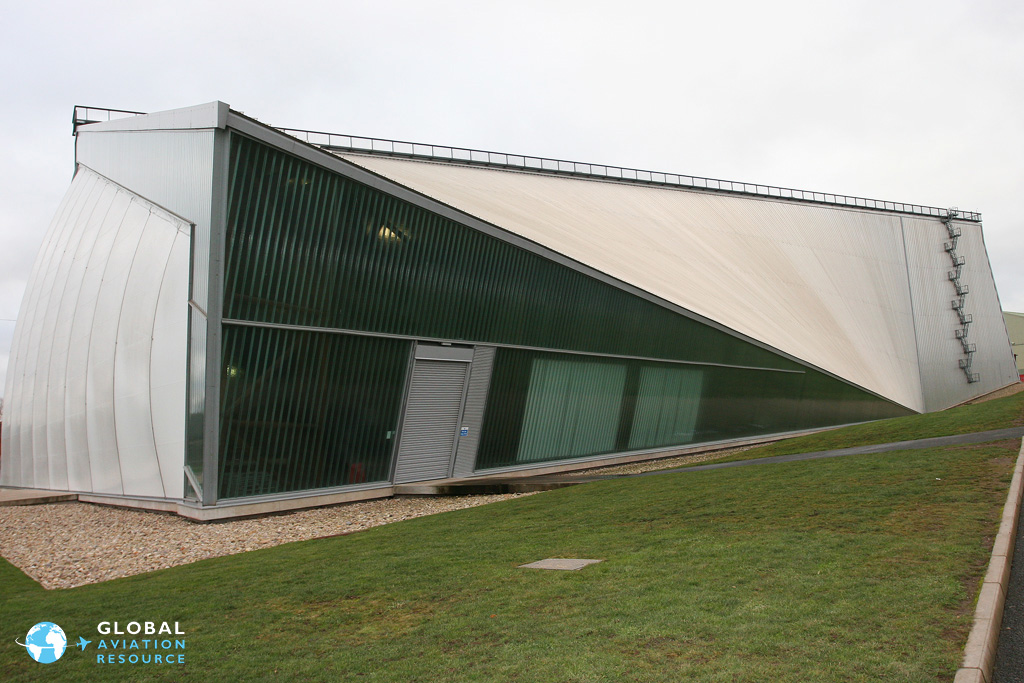
A lot of thought’s gone into displaying the aircraft in a way that complements them and presents them to their best advantage. This is evident in the National Cold War Exhibition Centre, in particular – a building that challenged my pre-suppositions to their maximum.



The Cold War Exhibition structure is striking in itself – from the outside, it stares back at you with a curious blend of curves and sharp angles. Inside, the presentation hits you immediately and, honestly, I’d expected I wouldn’t be keen on it at all. Aircraft on two levels, aircraft up the walls and aircraft suspended from the ceiling. And aircraft that seem to almost fuse into their surroundings and each other. It’s at first, almost unsettling. It’s meant to be.



The atmosphere’s electric: into here is poured the emotional unrest of post war fears. And in here dwells an awesome line-up of types – Victor, Vulcan and Valiant, F-111, MiG-21, Belfast, Javelin and much, much more. They’re all woven into a fabric of history, and the way wings overlap those of neighbouring airframes, well...it just works! To look up at a Lightning spearing up into the heavens, a Sabre knife-edging its way past you and a Hunter aerobatting at low-level is nothing less than a pleasure, and all credit to Cosford’s choreography for boldly straying away from the norm.
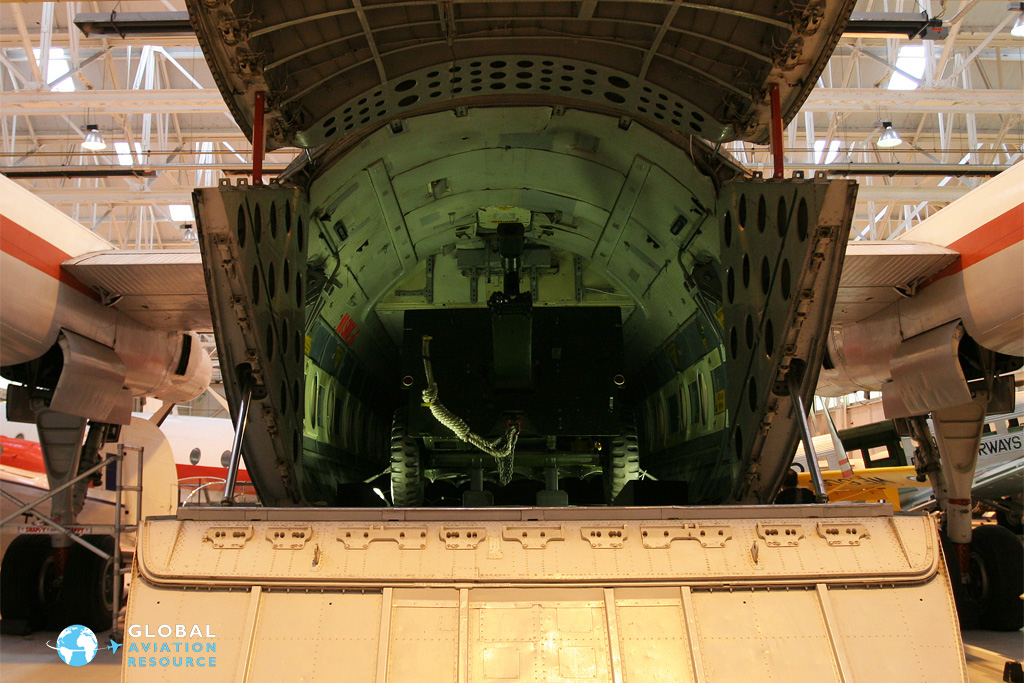
Away from this newest addition to the Cosford skyline, the other two hangars feature gems in abundance. Hangar 1 focuses on transport and training types and it’s the brightest of them all, not just because the light’s better but because of all the vibrant schemes on show, too! The raised viewing area here is a nice touch, as it offers the chance to get some attractive angles on the aircraft below. The types on show range from the diminutive and downright cute Pou-du-Ciel to the bulbous beast that is the Armstrong Whitworth Argosy.


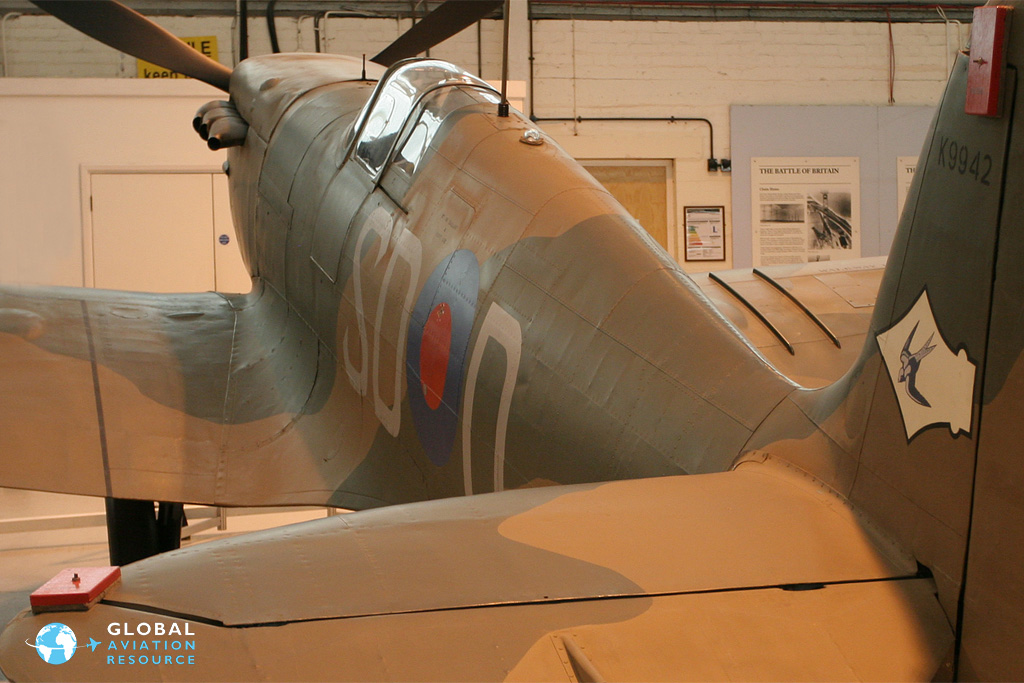
I have to confess to a moment of silliness here, in that what seemed to be a nice Spitfire Mk1 caught my attention. I photographed it from various aspects, only realising later on that it was the full-scale model famously constructed by Top Gear’s James May et al. So much for my ID skills!
The War Planes collection presents a pure pot pourri of types, of which the rarest include the Messerschmitt Me410 and the Mitsubishi Ki-46 – twin-engined Axis Power technologies now demilitarised and on show in the company of their approximate WW2 counterpart, the Mosquito. The Argentinean Pucara of Falklands Conflict fame brings the airpower story into a more modern age, while the Tornado GR.1 effectively carries it more or less up to the present day.


I’ve saved the best til last. The Research and Development Collection houses an unparalleled feast of test-flying jets. The exquisite Bristol 188 and BAC TSR.2 dominate the display as far as size is concerned but, around them, the Saunders-Roe SR.53, Avro 707, Fairey Delta 2 and no less than three Gloster Meteor variants sit, embodying both the successes and the failures of an energetic and bubbling post war British aircraft industry.


 GAR wants to interact with its readers so if you have a question for the author or a comment to make on this feature, please click on the button below. The best comments will appear right here on GAR.
If you would like to discuss using any of our imagery or feature content please contact us.