
The Museum of Berkshire Aviation in Woodley, as the name suggests, is primarily focussed on preserving and telling the story of the county’s important contribution to aviation. This of course includes the likes of great British companies such as Miles Aircraft and Fairey Aviation. Despite being fairly small, the museum has a lot to offer with numerous unique exhibits on display and under restoration.
The museum lies on the historic site of the now closed Woodley Airfield. The airfield first opened in Easter 1929, being called Reading Aerodrome at the time, where a flying school was set up. It was in 1931 that Douglas Bader famously crashed at Woodley which led to the amputation of both his legs. Bader had been performing low level aerobatics in a Bulldog when the wing tip of his bi-plane struck the ground. The site was used to test fly many Miles types until all Miles production ended in 1948.
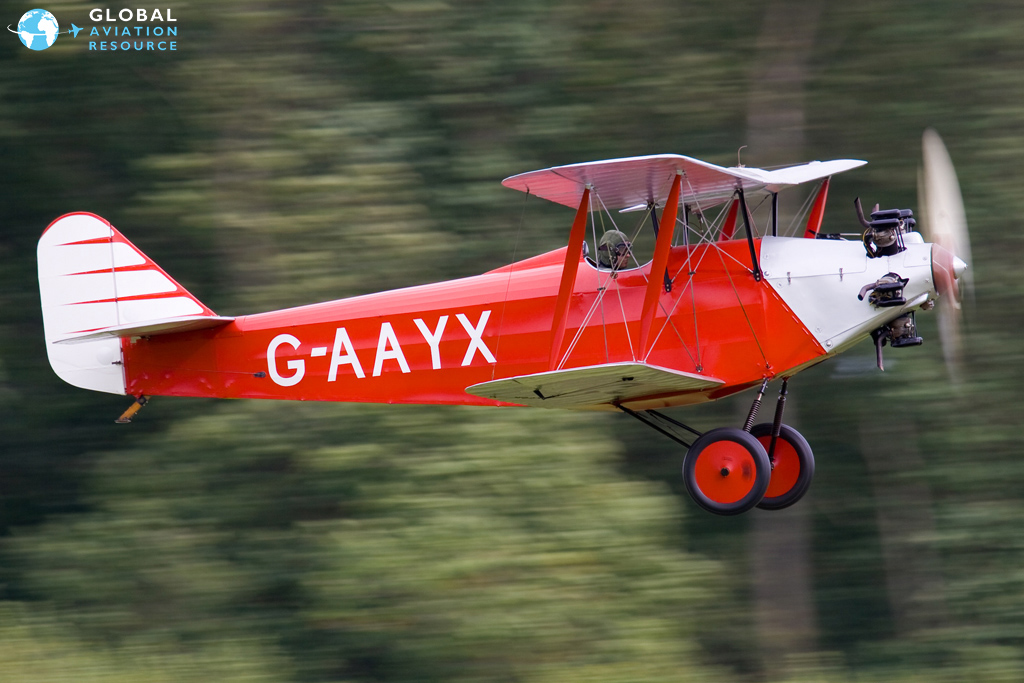
Surely the most notable aviation name to come out of Berkshire is that of Miles Aircraft. Before Miles Aircraft, Frederick George Miles’ first company was Southern Aircraft based at Shoreham. The first aircraft they created was the Southern Martlet, in 1929. Of the six that were built only one is still flying to this day and it forms part of the Shuttleworth Collection at Old Warden in Bedfordshire, where it can be regularly seen at their airshows. F.G.Miles then moved to Phillips and Powis Aircraft at Woodley, the company only officially becoming Miles Aircraft in 1943.
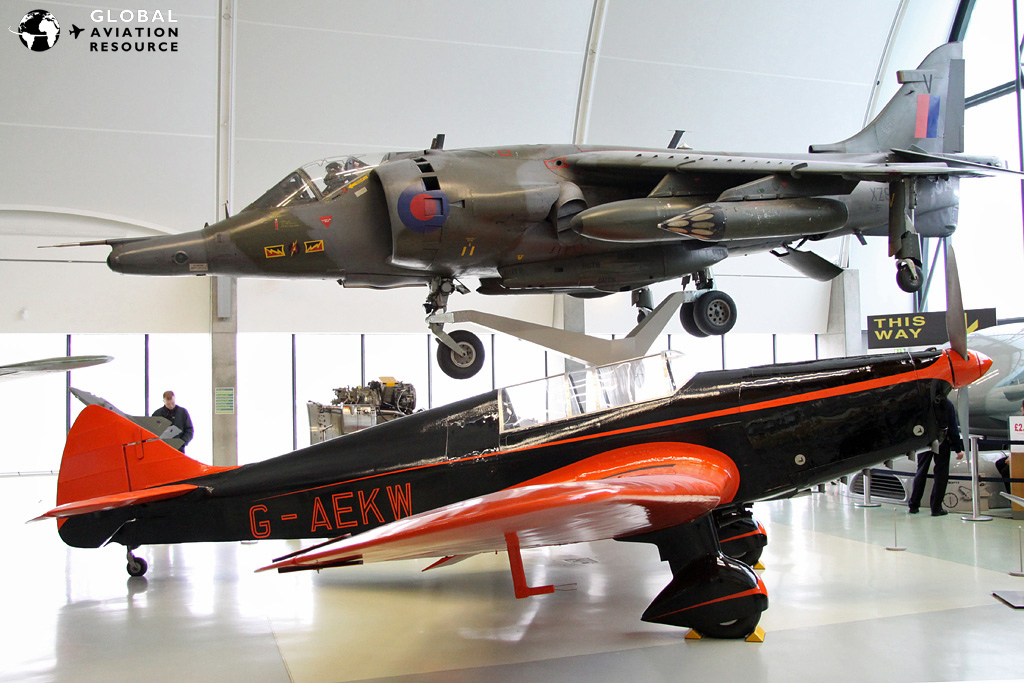
In 1936 Miles was approached by the intrepid American aviator Charles Lindbergh with the wish for them to build him an aircraft that was fast and had a long range. What Miles created was the M.12 Mohawk and Lindbergh used the aircraft around Europe and Lindbergh actually visited Woodley to test fly it. The Museum of Berkshire Aviation team assisted the RAF Museum’s Mohawk restoration with Lindbergh’s striking black and red colour scheme before it went on display in the Milestones of Flight hall at the RAF Museum Hendon.
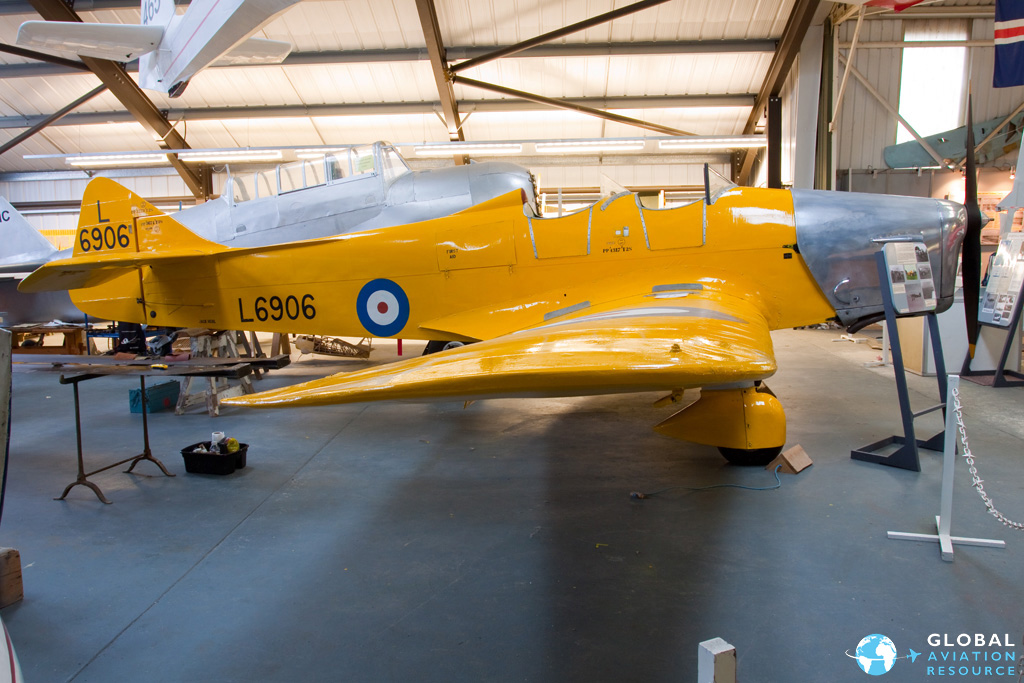
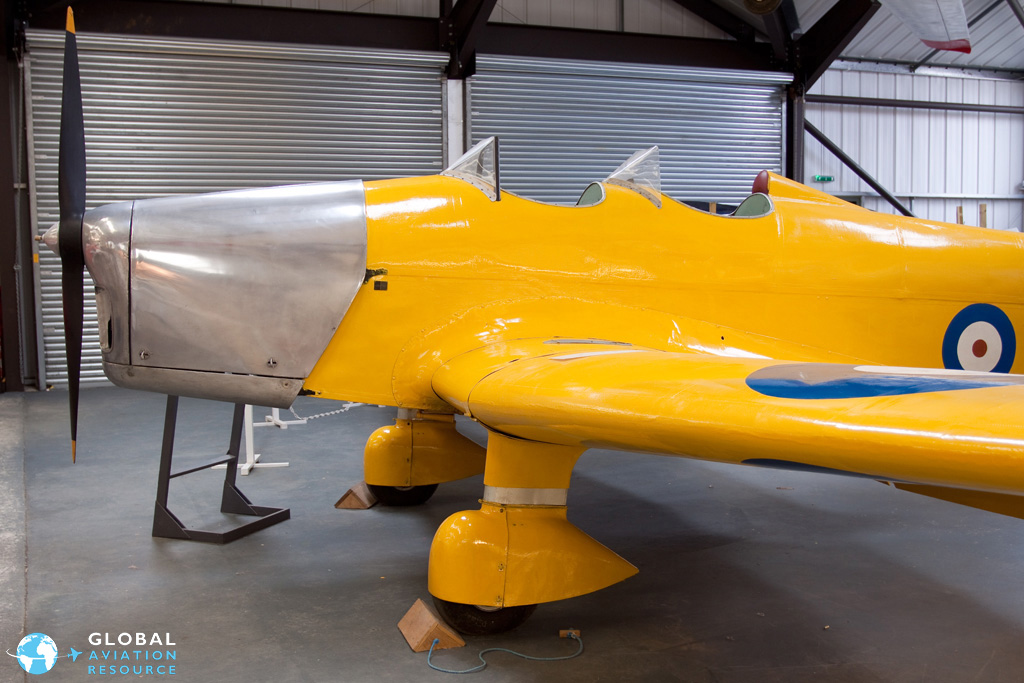
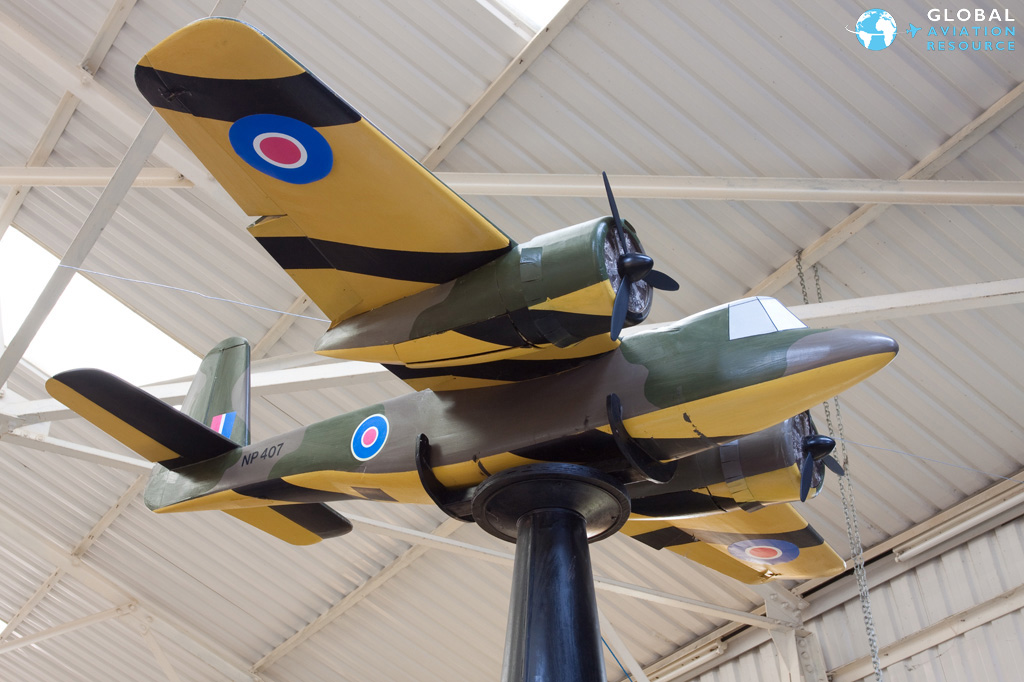
Miles built many successful aircraft and the Miles M.14 Magister was no exception. A twin seat basic trainer which first flew in 1937, by the start of the Second World War over 700 Magisters were in service with the RAF. The Museum's example, representing Magister I L6906, is actually a replica that has been built around some remaining components of an actual Magister. Despite being a replica it does faithfully represent the method of wooden construction that was originally used. The machine now has both wings attached along with the propeller and is resplendent in a smart yellow RAF training scheme.
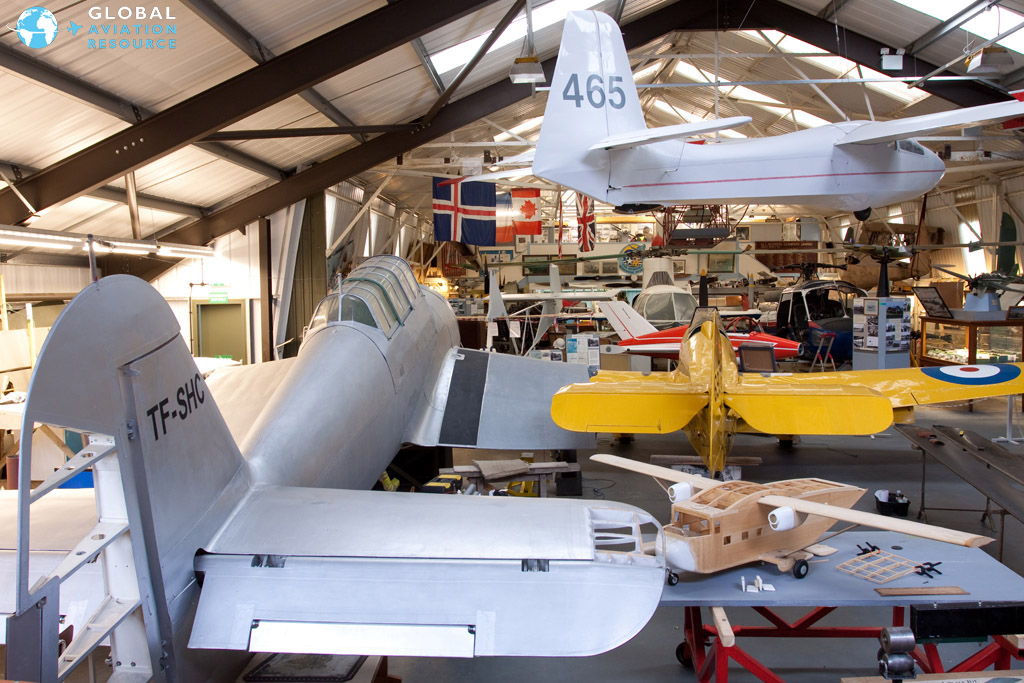
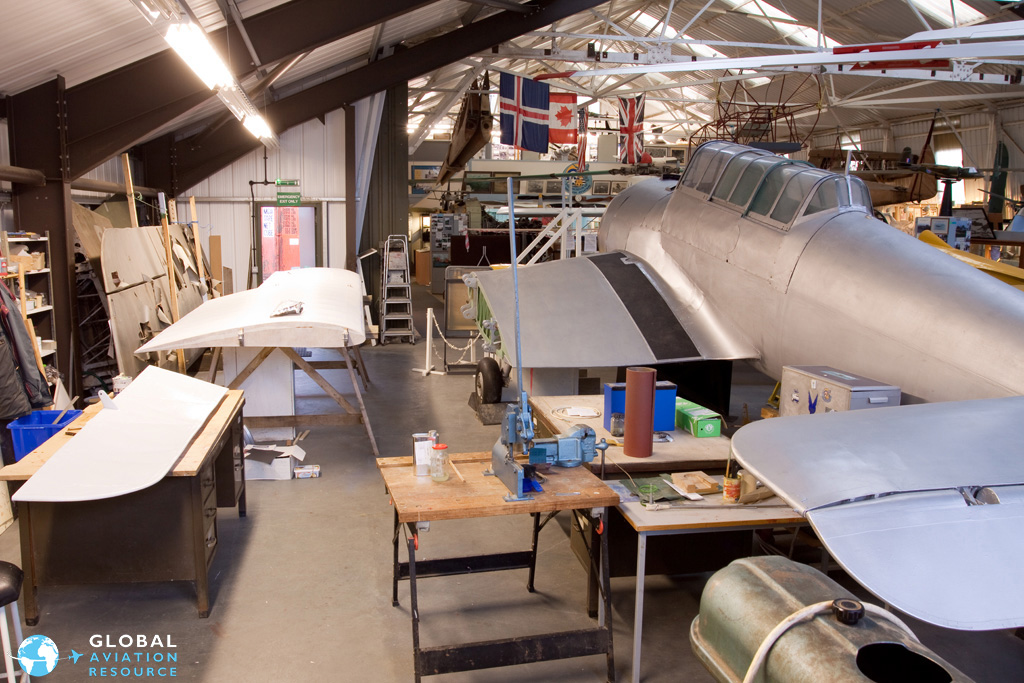
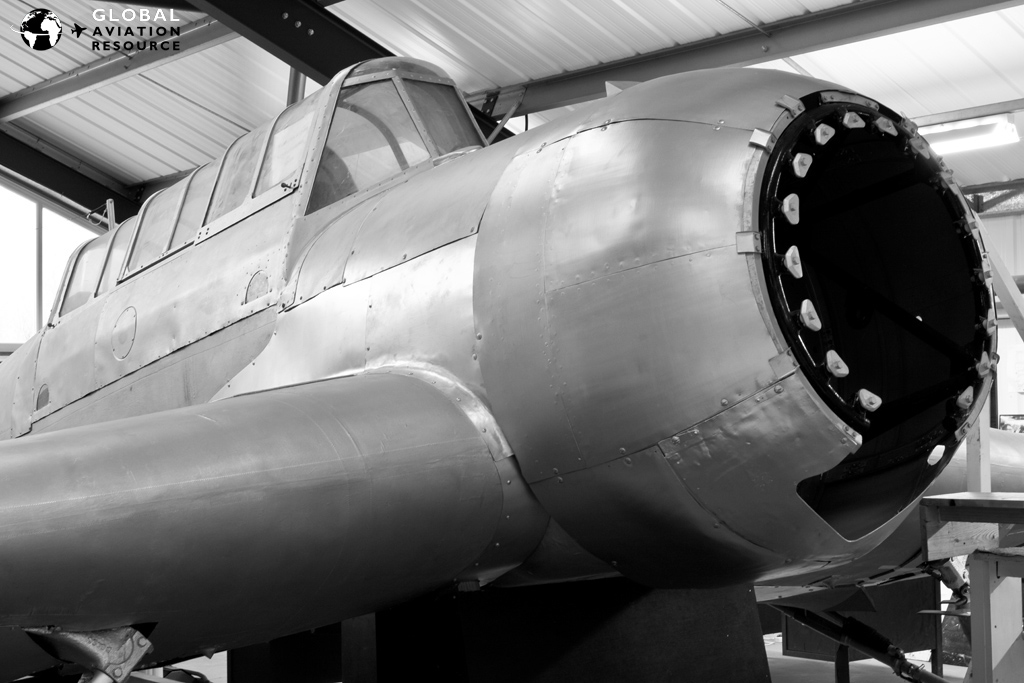
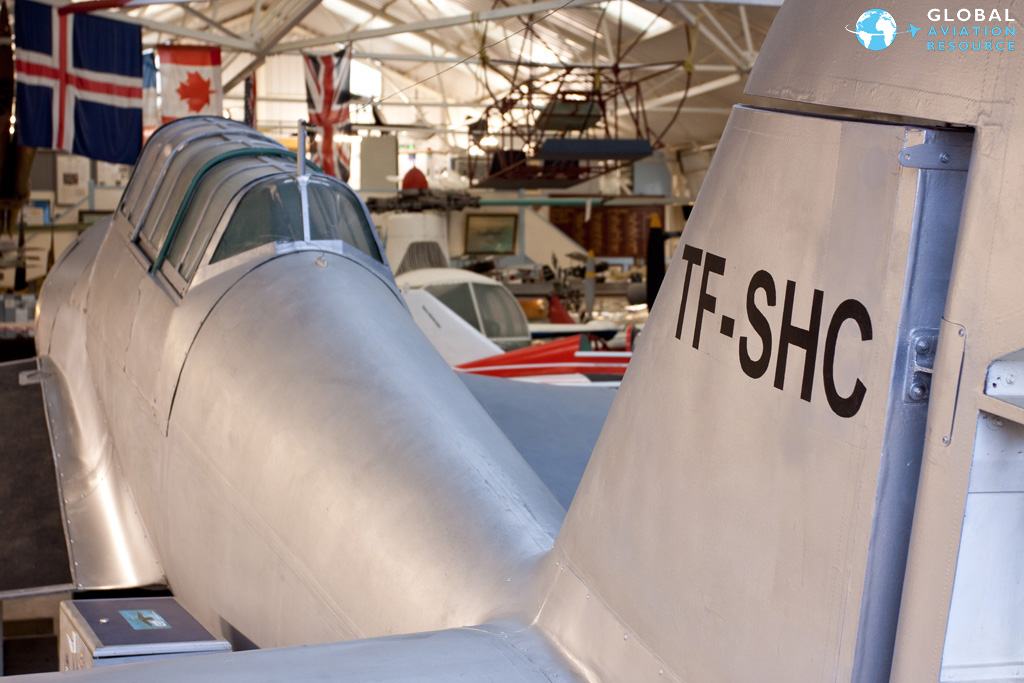
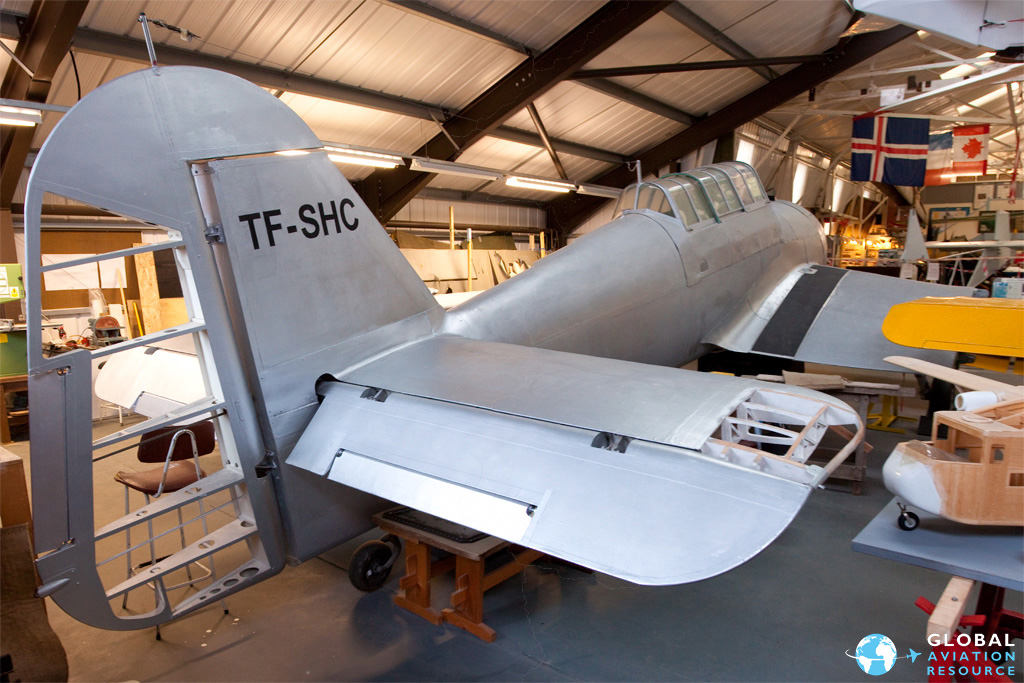
Another successful wartime design of Miles’ was the Miles M.9 Master, being the most numerous type that the company produced. The Miles M.25 Martinet was a target tug aircraft with its development being based upon the Master and the Museum is home to the sole surviving Martinet, with the airframe currently under restoration after doing its fair share of travelling. After being built at Woodley in 1943 it was shipped to RAF Reykjavik where it flew with the Station Flight and No.251 Squadron. It then flew with the Akueyri Flying Club and it was then that the Martinet crashed in July 1951 near Kopasker in the desolate North-East of Iceland, which is where it remained until it was recovered in 1977. The wreck was then moved to Reykjavik Airport by the Icelandic Aviation Historical Society and put into storage.
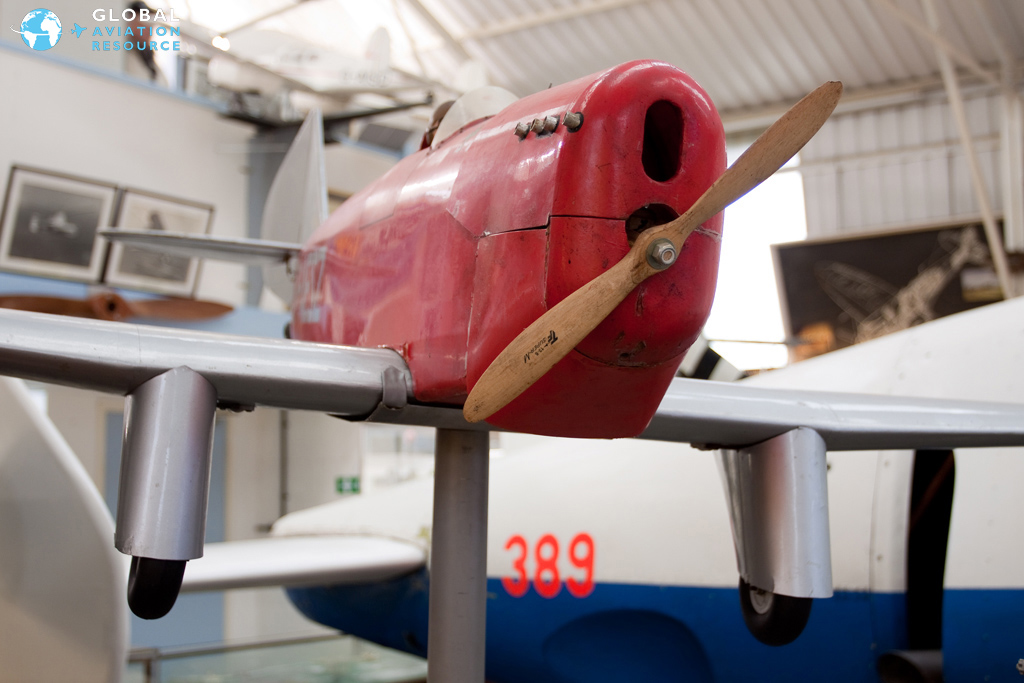
It was in 1993 that staff from the Berkshire museum began negotiations to return the aircraft to the UK and in 1996 it was finally transported to Woodley by sea and road. The team are currently working on the fairings that go around the undercarriage legs, but they are proving somewhat difficult to get correct. Once completed the Martinet will wear an all over silver scheme adorning Icelandic registration ‘TF-SHC’, the guise the aircraft wore when it crashed in 1951.
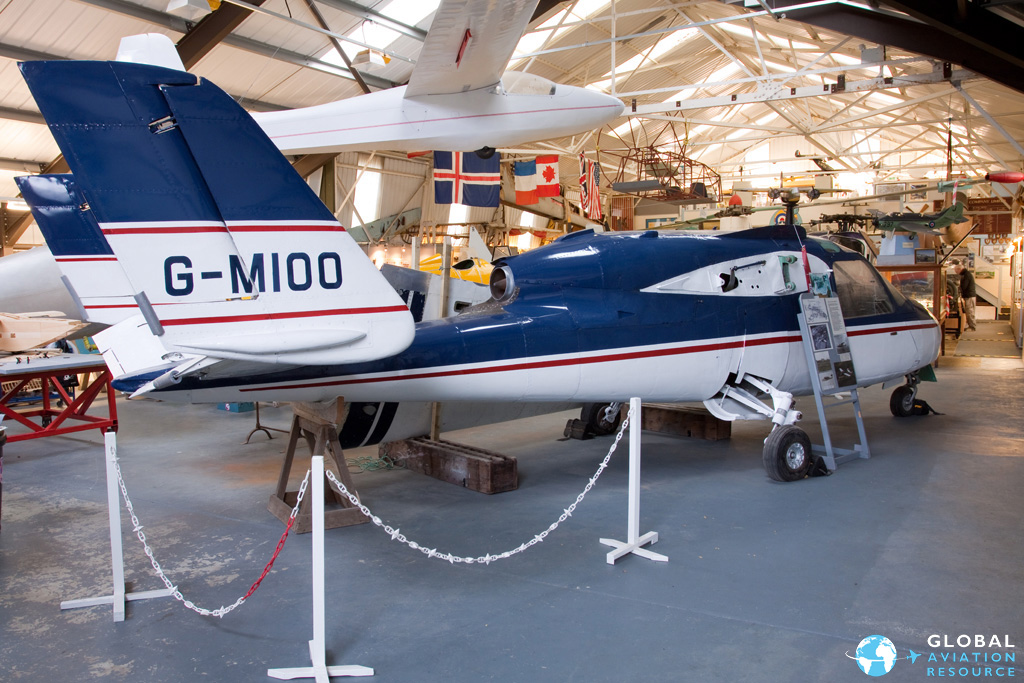
Another unique exhibit is the Miles M.100 Student, the only one of its type ever produced. This twin seat, side-by-side jet trainer was designed to be a cheaper alternative for the RAF than the Jet Provost but the type never went into production. The Student crashed at Duxford in 1989 after the engine failed just after takeoff and the airframe is now under restoration. The Student is currently also under restoration and the Museum’s engineers have now completed repairs to one of the wings, rubbing it down and re-painting it. Work has now begun on the second wing which was in a much worse condition than the first.
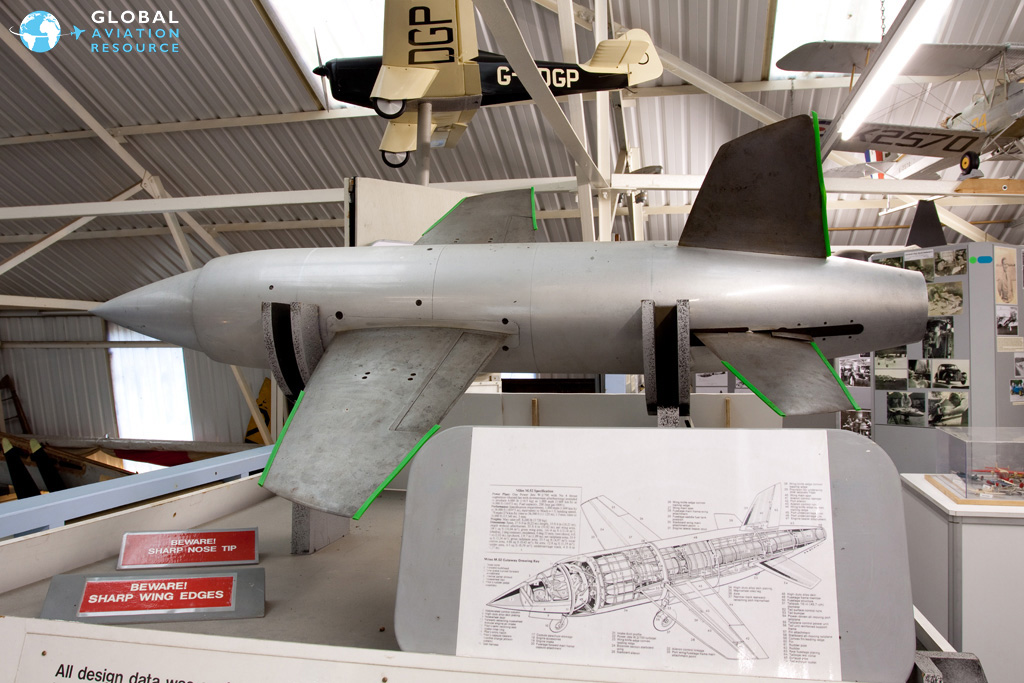
Upstairs there is a wind tunnel model of the Miles M.52 – the first foray into the supersonic by Miles. The M.52 never went into production as the British Government dropped out of the supersonic race and handed all knowledge to the Americans, who subsequently broke the barrier. It is impressive to think that in twenty years, Miles had gone from bi-planes to supersonic designs.
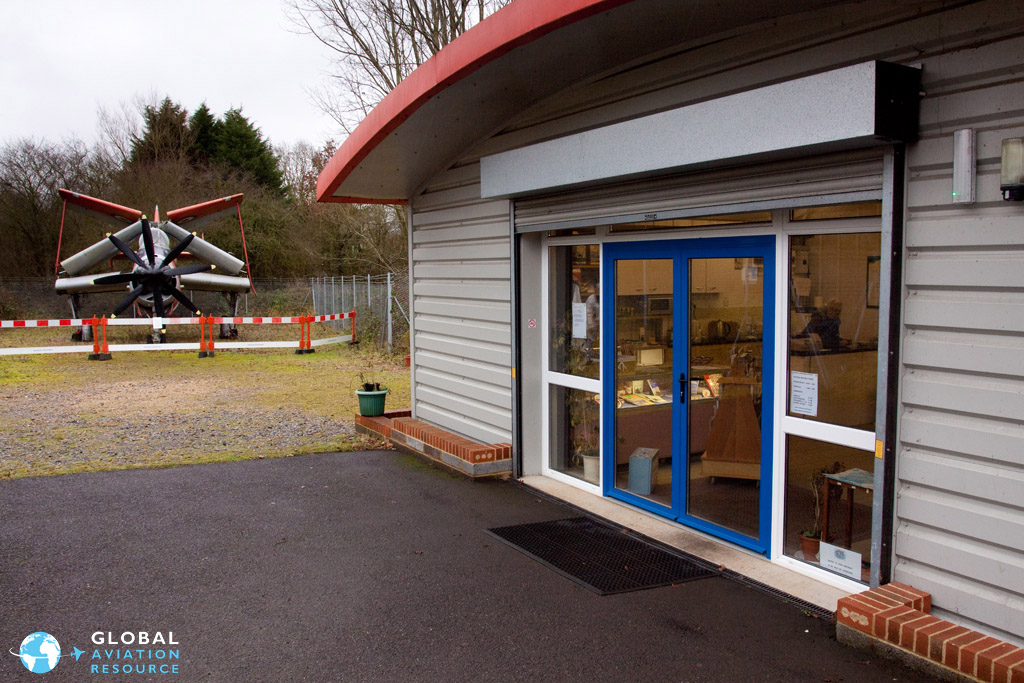
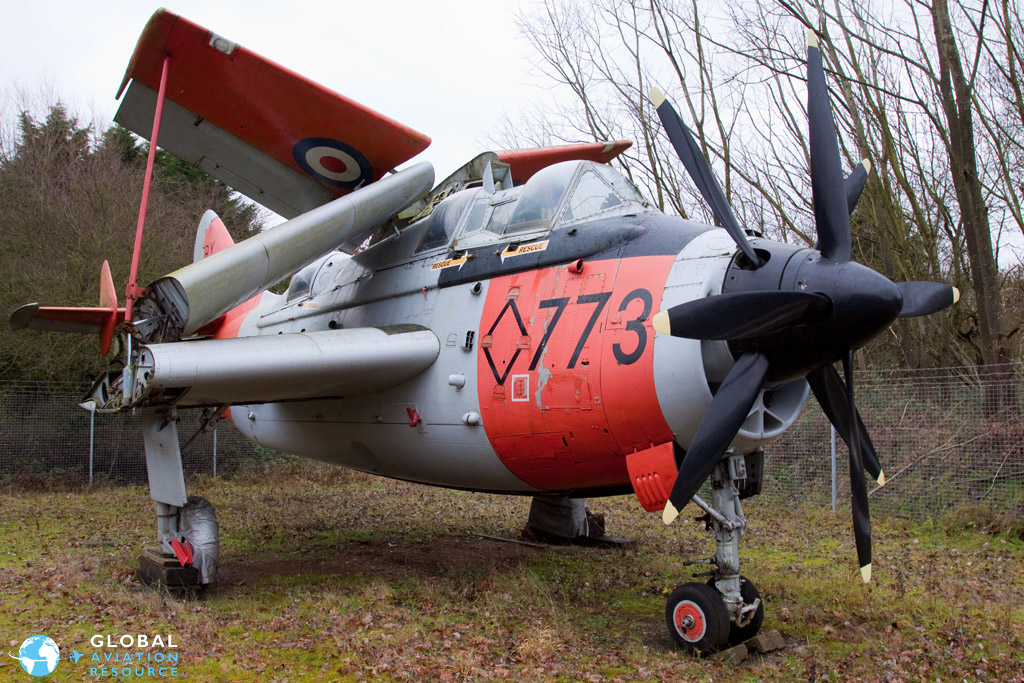
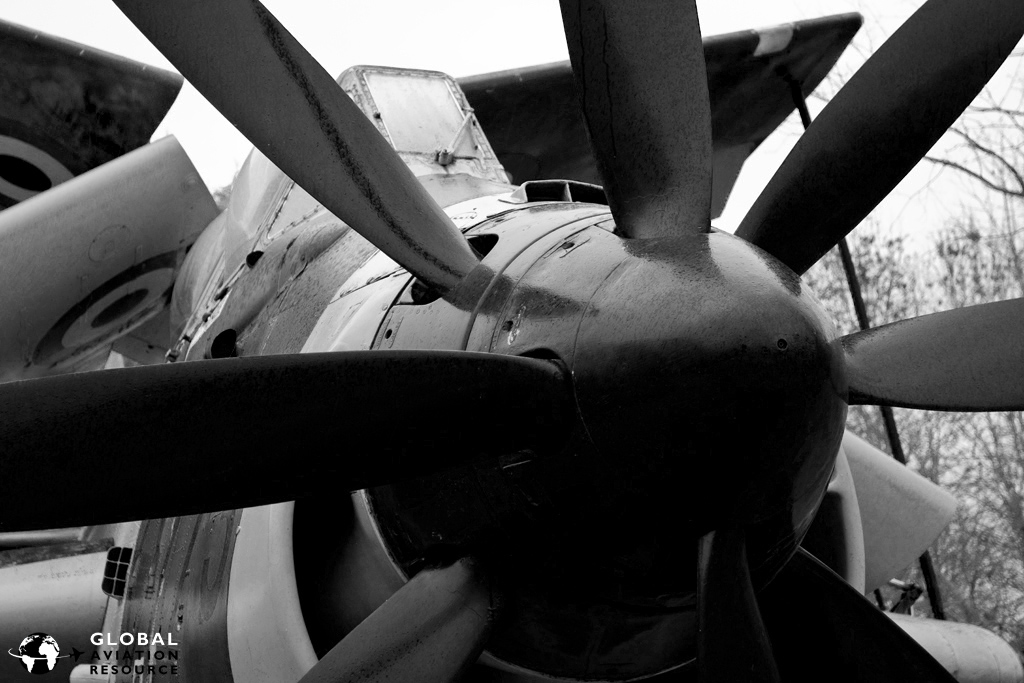
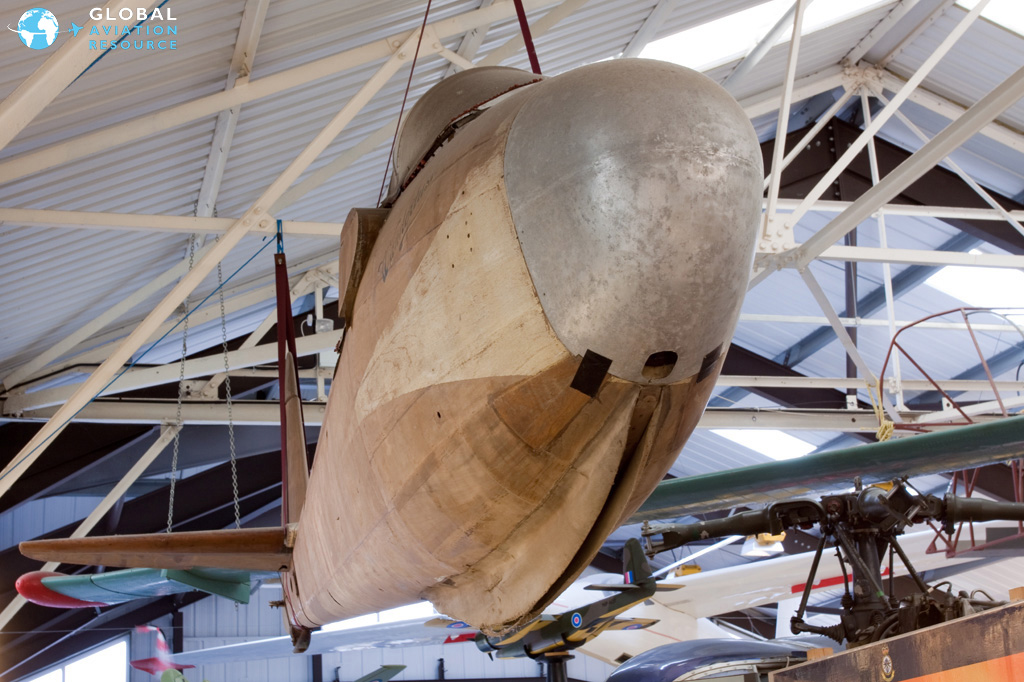
White Waltham airfield, only a short distance away from Woodley, was home to the Fairey Aviation Company where Gannets, after being finally assembled at RAF Northolt before flight testing, were handed over to the Fleet Air Arm. The Gannets were built at the Fairey factory in Hayes, and for some time at least, were towed from the factory to RAF Northolt through the streets at night, with the wings folded! Outside the entrance the Fairey Gannet T.5 welcomes visitors to the Museum after being restored since arriving at Woodley in 1996. The nose section of another Gannet can be found inside, giving a good view of the engine and contra-rotating propellers.
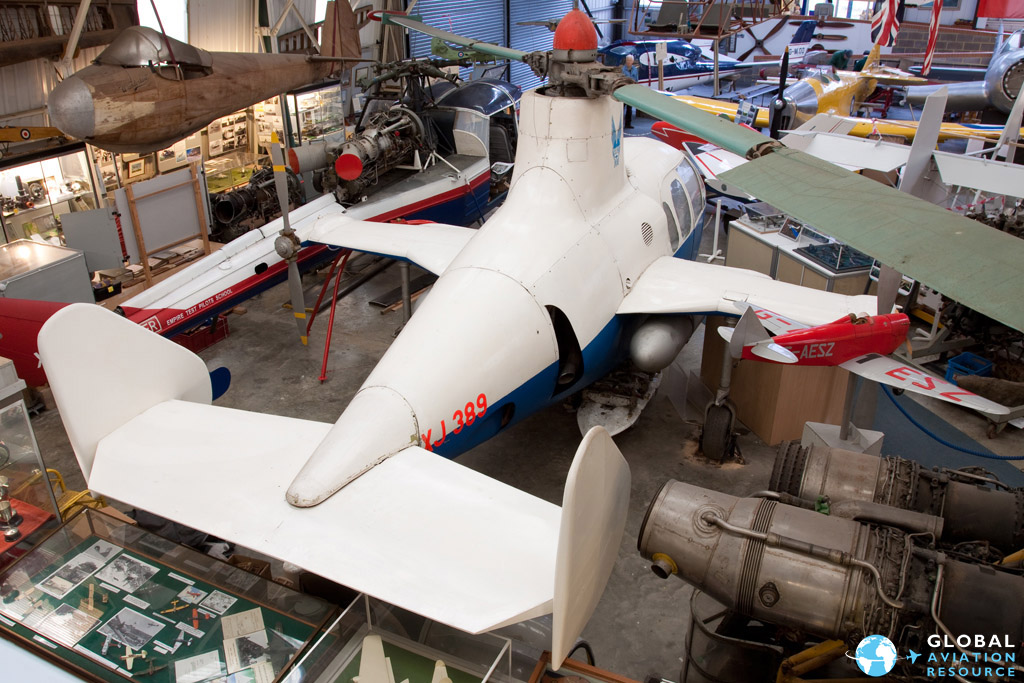
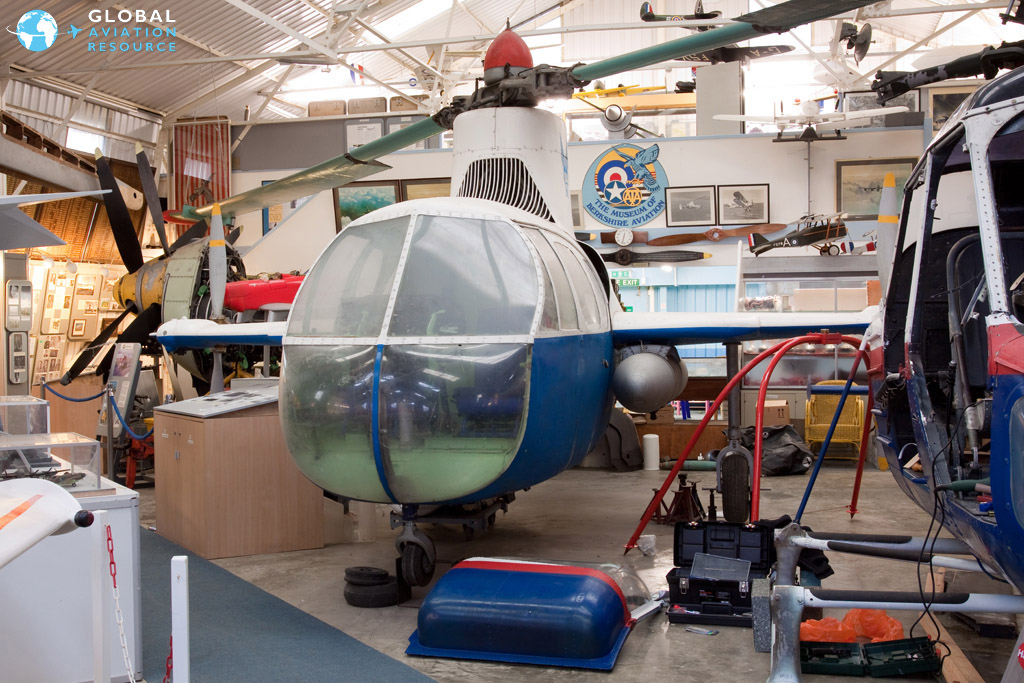
Another unique exhibit to be found at the Museum comes in the form of the sole Fairey Jet Gyrodyne, on loan from the RAF Museum Reserve Collection. The Jet Gyrodyne was a modification of the FB-1 Gyrodyne and it played an important role in developing VTOL aircraft such as the Harrier, which we saw being retired from RAF service last December. The first flights were carried out at White Waltham with tethered flights being undertaken at first before moving to free flight.
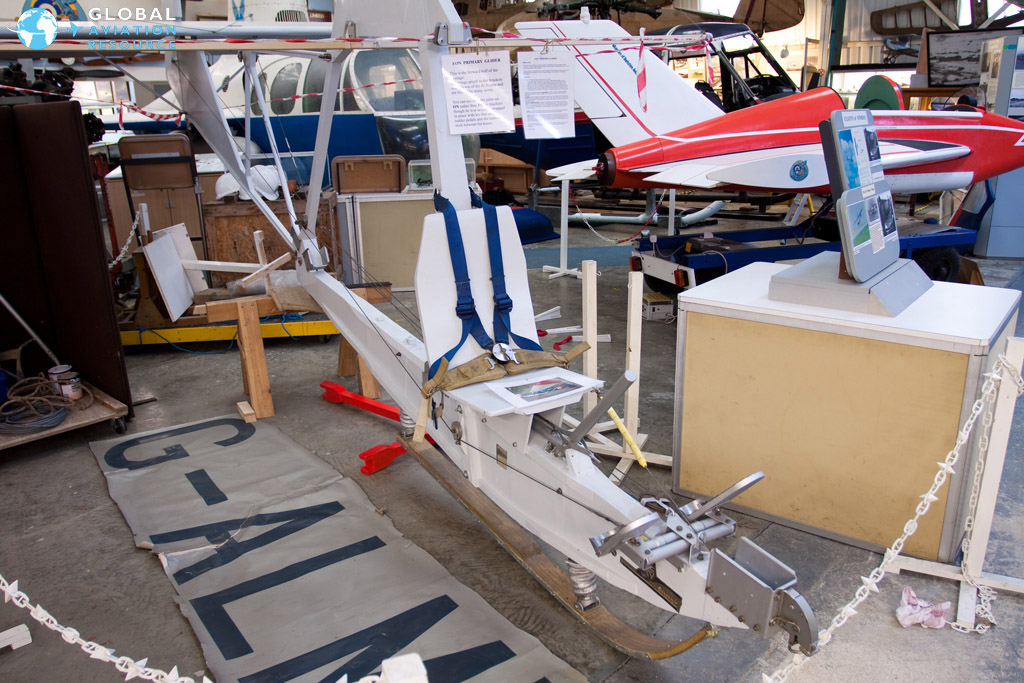
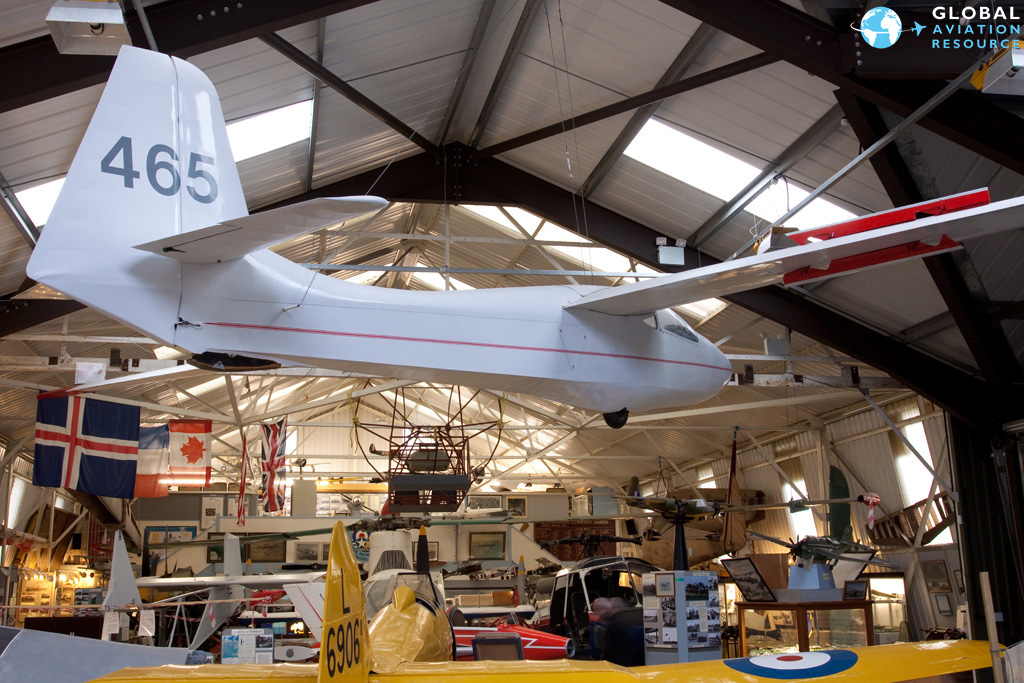
At least five gliders reside in the museum, all in various states of assembly and restoration. A pristine example of an Olympia 456 hangs from the ceiling above the main restoration area whilst just below the EON Primary Mk.1 glider has recently had the fabric on one of its wings replaced as well as a re-paint. Work on the structure of the other wing has begun along with masking for the application of the registration.
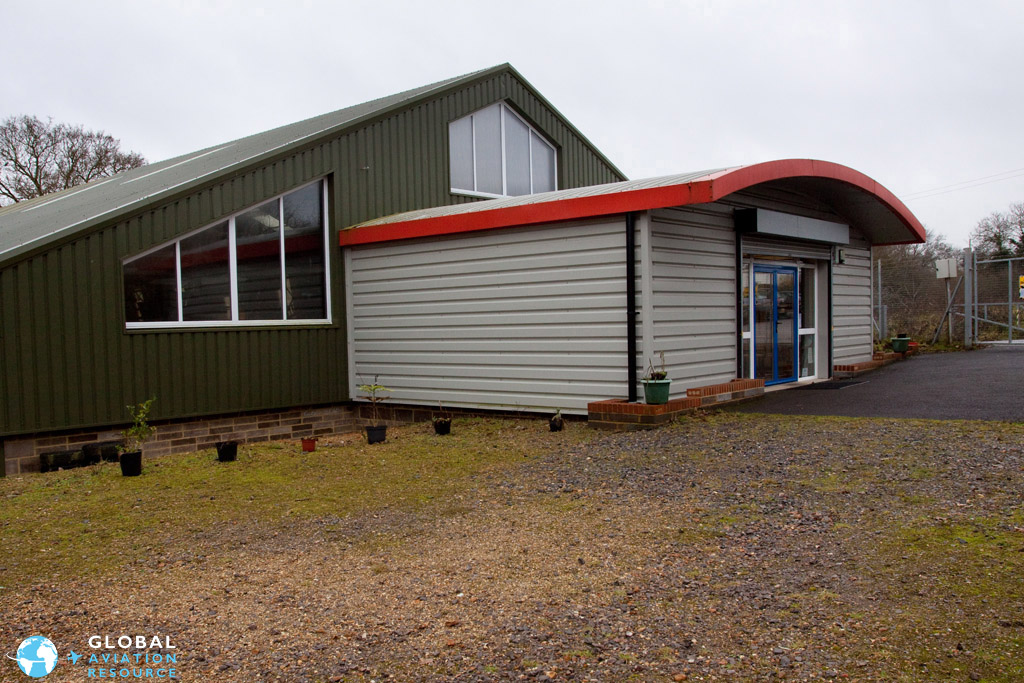
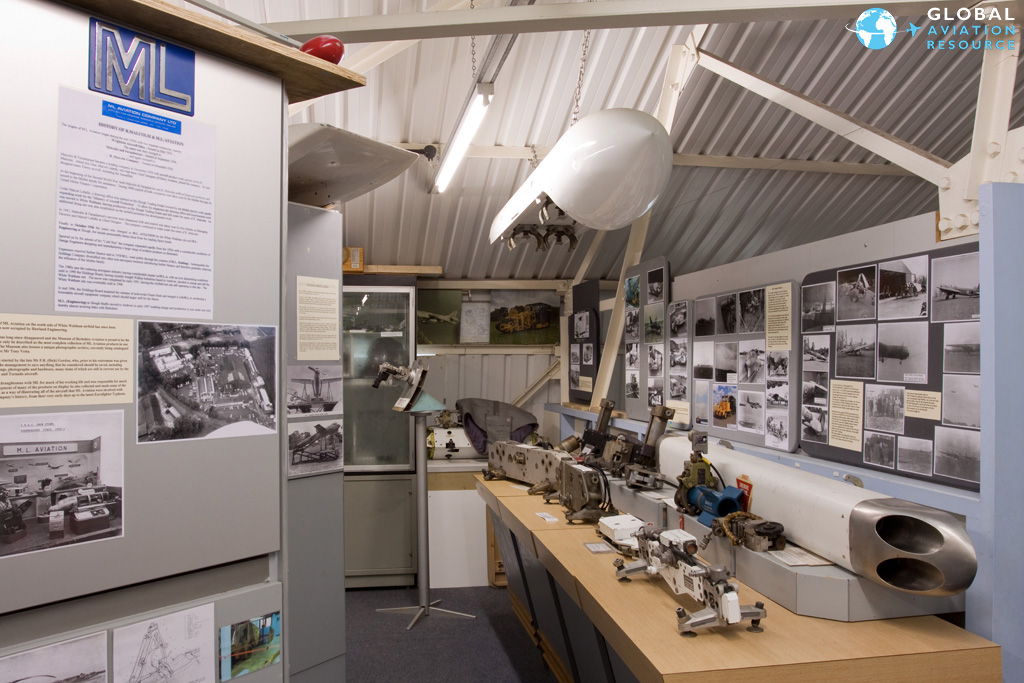
From 2007 to 2008 the Museum underwent a transformation with an extension programme, adding on to the current hangar and creating a new entrance for visitors. The entrance now houses a smart new seating area and shop which sells aviation goodies as well as food, and is finished off with aviation artwork hanging on the walls. The extra hangar space now gives more room for ongoing restoration work to take place on the likes of the Martinet and the Student, of which visitors can get a good view at the work that is happening.
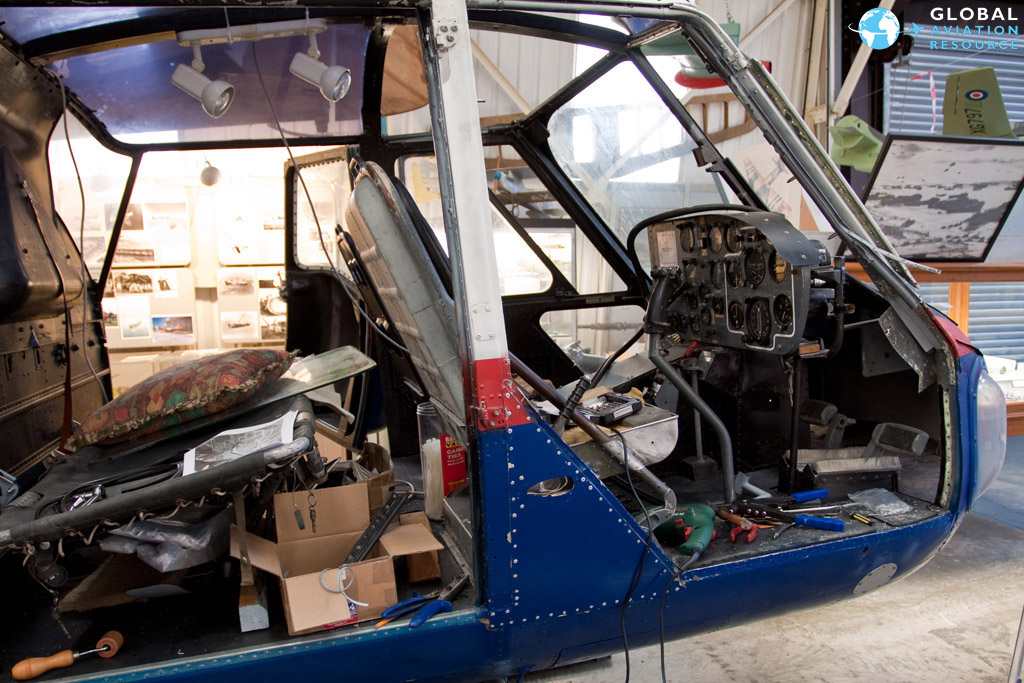
Along with the recent extension, in the Autumn of 2010 a new exhibit joined the collection in the form of a Westland Scout. The machine is currently in an Empire Test Pilots’ School (ETPS) ‘Raspberry Ripple’ paint scheme. There is a lot of work to be done to the airframe and, due to numerous accidents the airframe has suffered, the cockpit framework is being rebuilt.
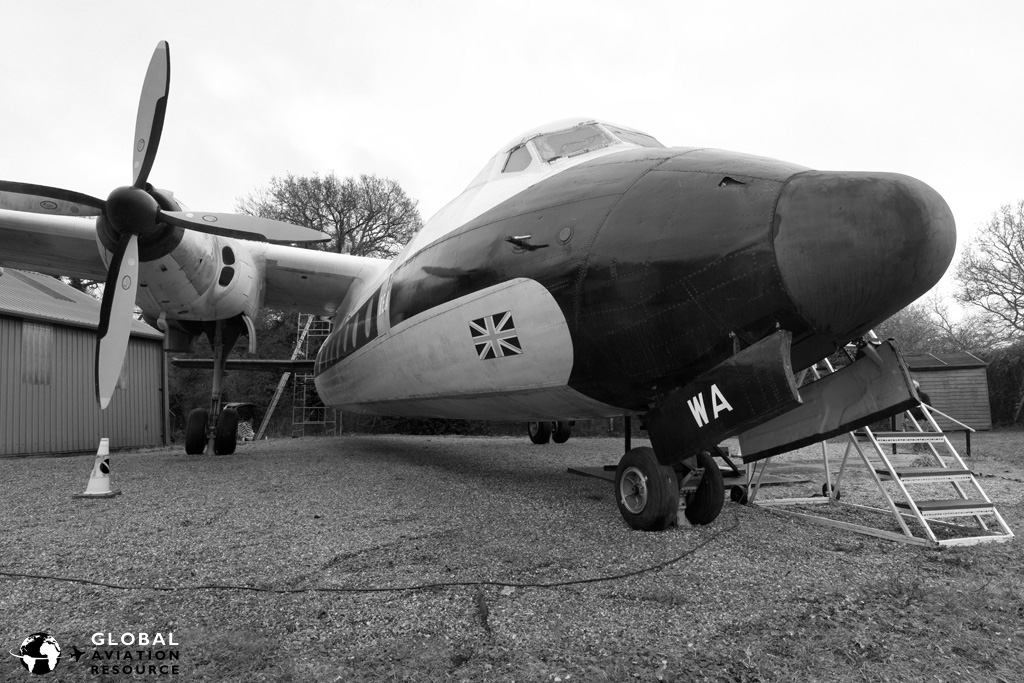
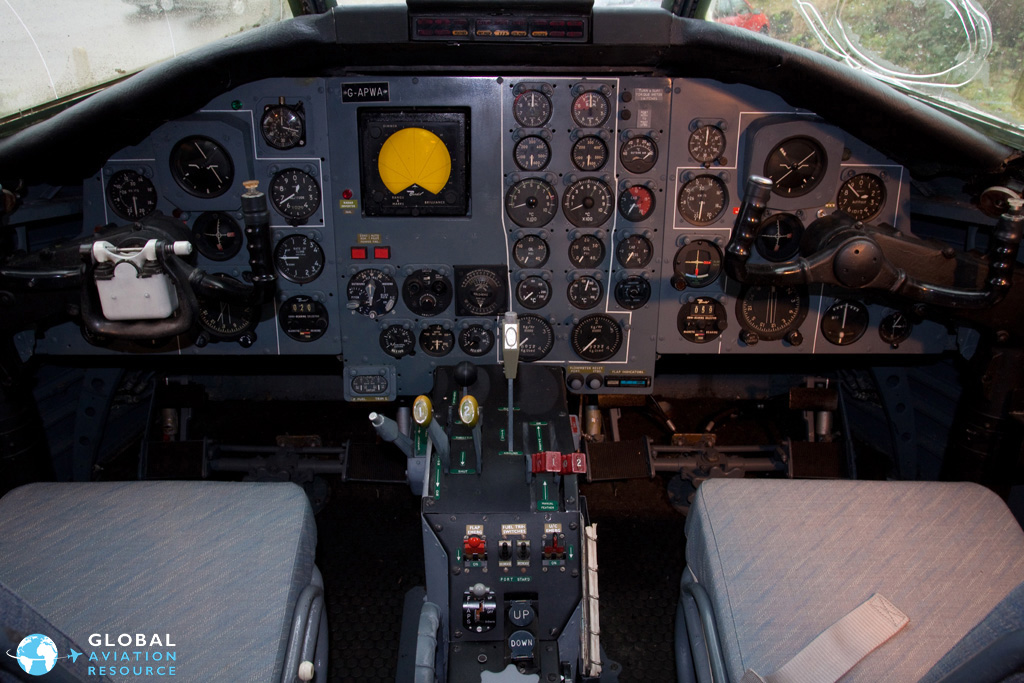
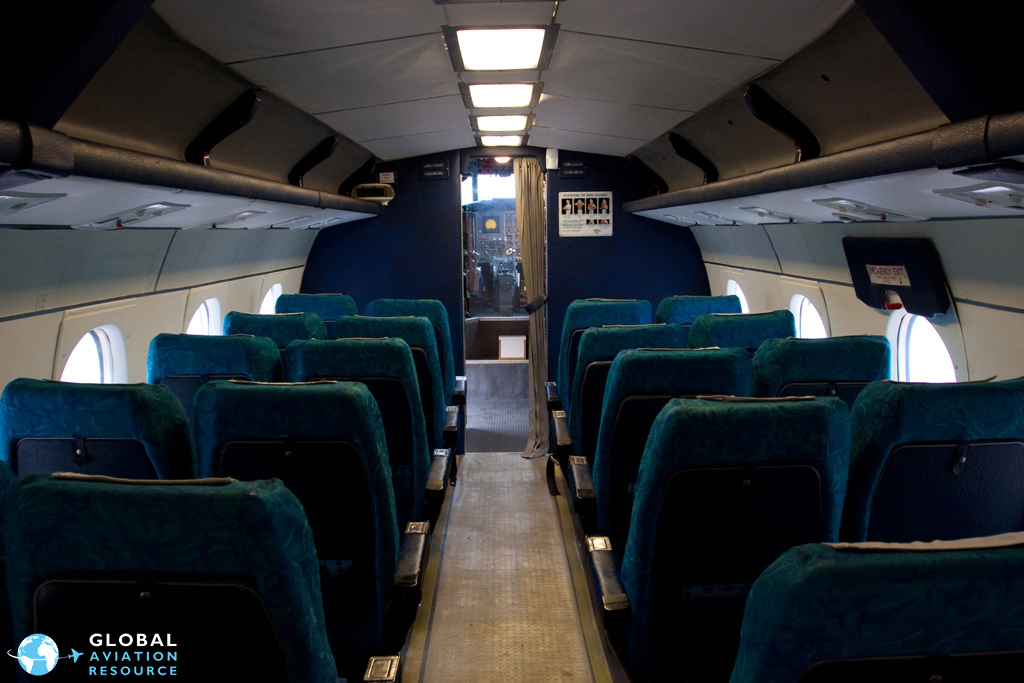
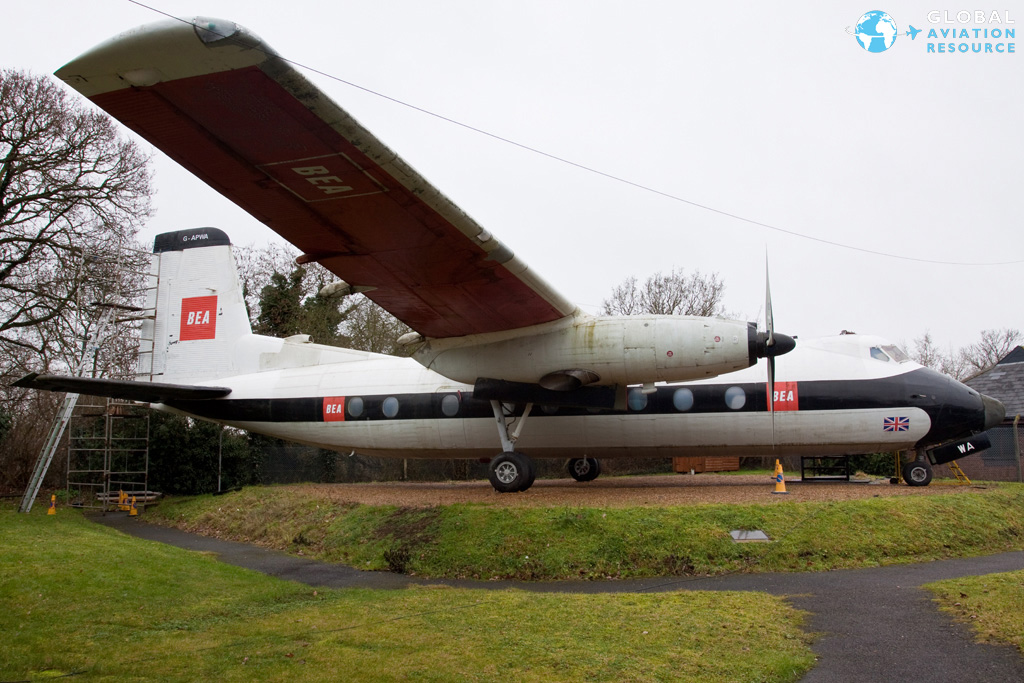
Outside resides a Handley Page Dart Herald resplendent in a British European Airways livery which visitors can enter, with the aircraft’s cabin having half of the original seats in as well as displays detailing the aircraft’s history. This particular machine was originally built at Woodley and arrived at the Museum in 1993, since then over 14,000 man hours have gone into its restoration. It was also flown by Prince Phillip on a ten country tour of South America in 1962, which a plaque celebrates. The flight deck is also on display and will soon have the windscreens replaced. The Museum also has the largest surviving section of a Miles Marathon, which is also outside.

If you would like to discuss using any of our imagery or feature content please contact us.