
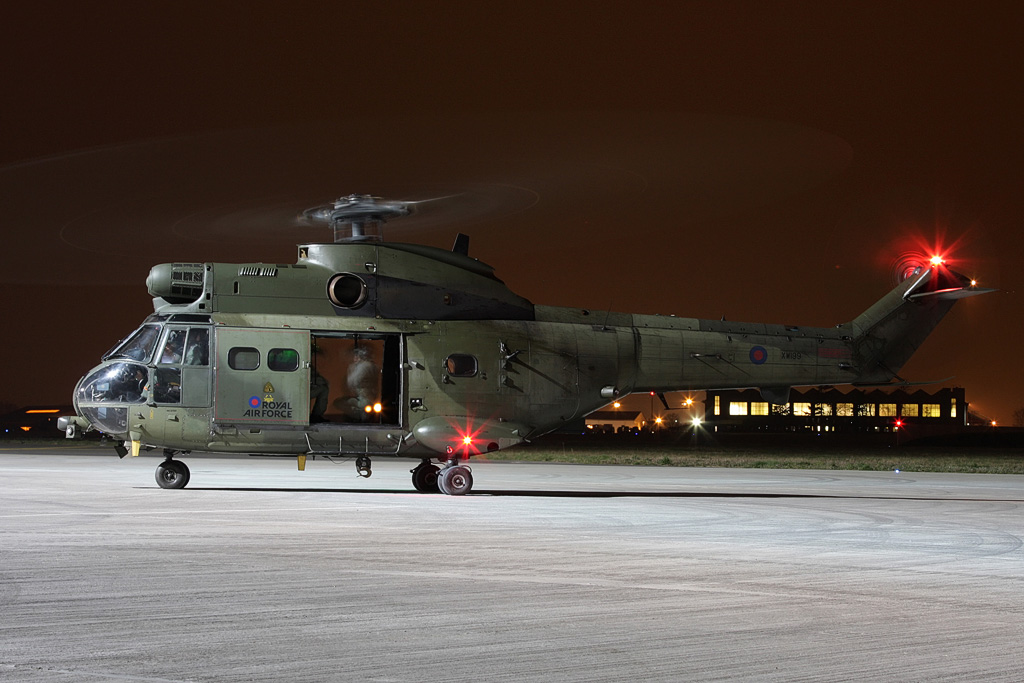
The deal signed on September 29th will see at least 28 of the operator's airframes receive more advanced avionics and new engines, extending the type's estimated out of service date (OSD) by some ten years and making them more suitable to today's operational requirements, namely in hot and high conditions, the like of which are found in Afghanistan.
Operated by 33 and 230 Sqns and, falling under the control of Joint Helicopter Command, the Puma is used as a battlefield helicopter to deliver tactical troop and load movement 24/7 and has, and continues to be so heavily involved with missions in support of Operation TELIC in Iraq.
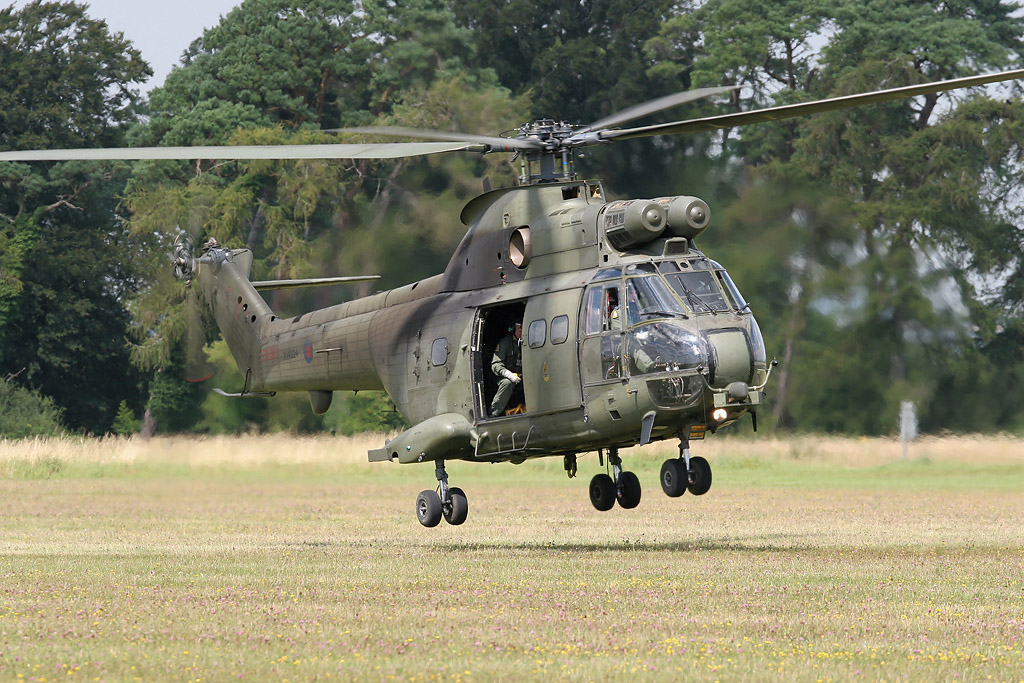
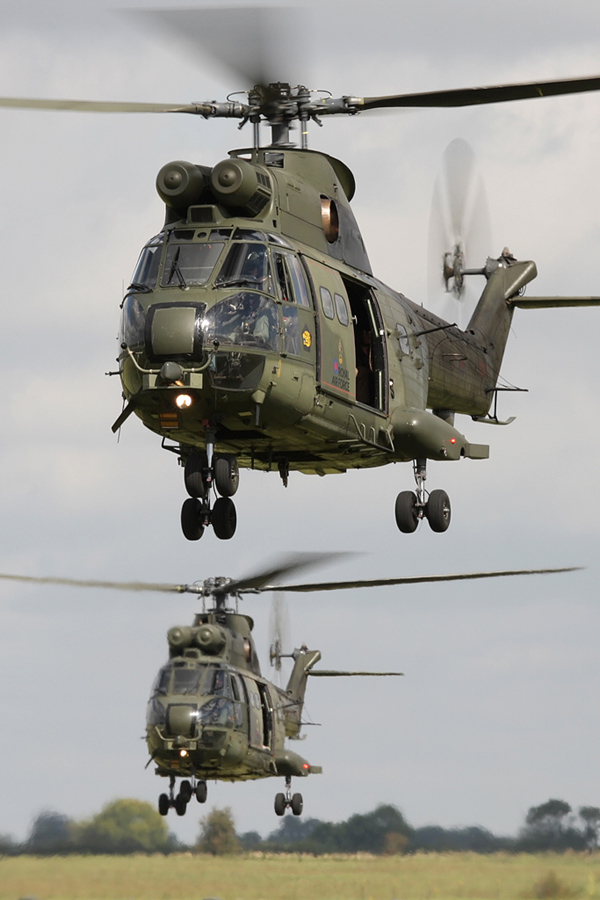
Minister for Defence Equipment and Support, Quentin Davies, said: "Upgrading the Puma is part of a series of improvements to our battlefield helicopter force and shows our determination to give our Forces the equipment they need.
"This programme will provide the RAF with 28 helicopters that are able to meet the requirements of battlefield commanders to transport troops in the hottest and most demanding conditions that we encounter in Afghanistan. The upgrades amount to a significant capability enhancement for the aircraft."
The avionics suite upgrades will feature a new 'glass cockpit', new flight control equipment as well as improved communications equipment and defensive packages.
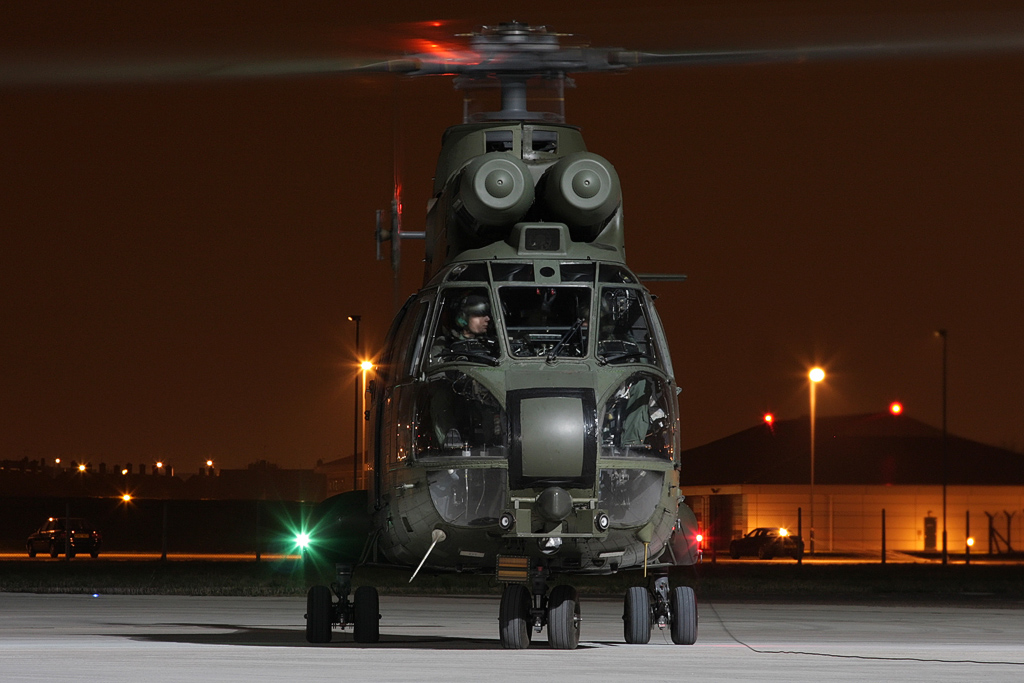
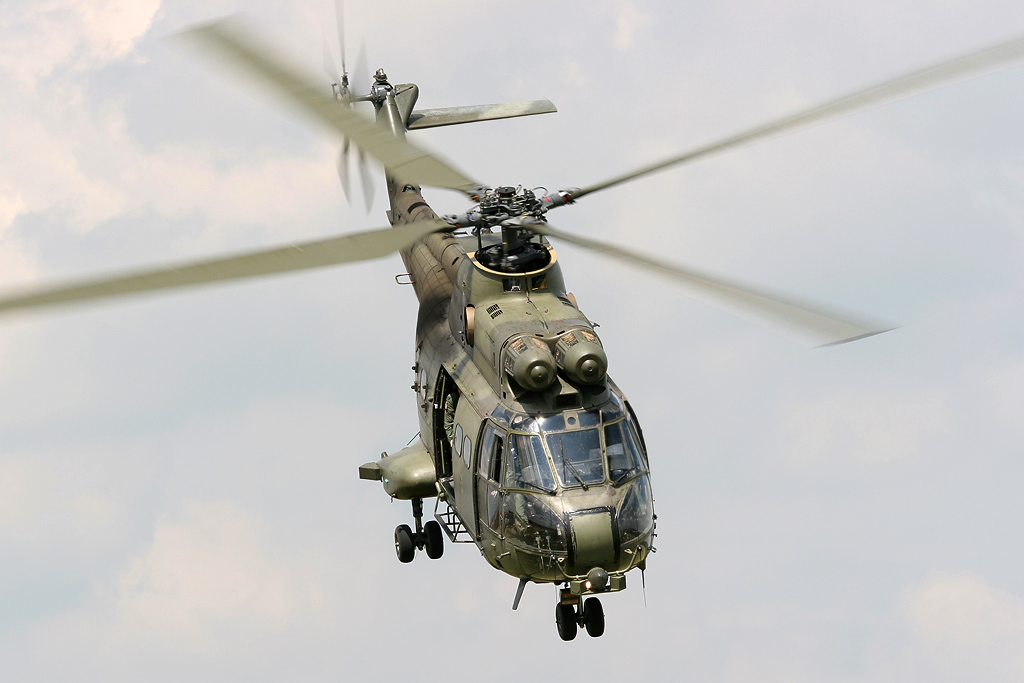
A pair of Turbomeca Makila engines will replace the Turbomeca Turmo 3-C4 turbines currently in use, and each will be capable of delivering an additional 500shp over their predecessors, while at the same time reducing fuel consumption by 25%. Around £45m of the overall deal will be spent on this element of the upgrade.
It's been estimated that this will all lead to an estimated three-fold improvement in the type's capability through increases in range and payload.
One of the major sticking points for the deal was that the initial proposal detailed that the work would be carried out by Eurocopter's Romanian division (IAR), but according to the MoD press release, Eurocopter UK is listed as being the prime contractor for the project, along with additional UK based sub-contractors Thales, Chelton, Smiths, Rockwell-Collins, QinetiQ and Selex.
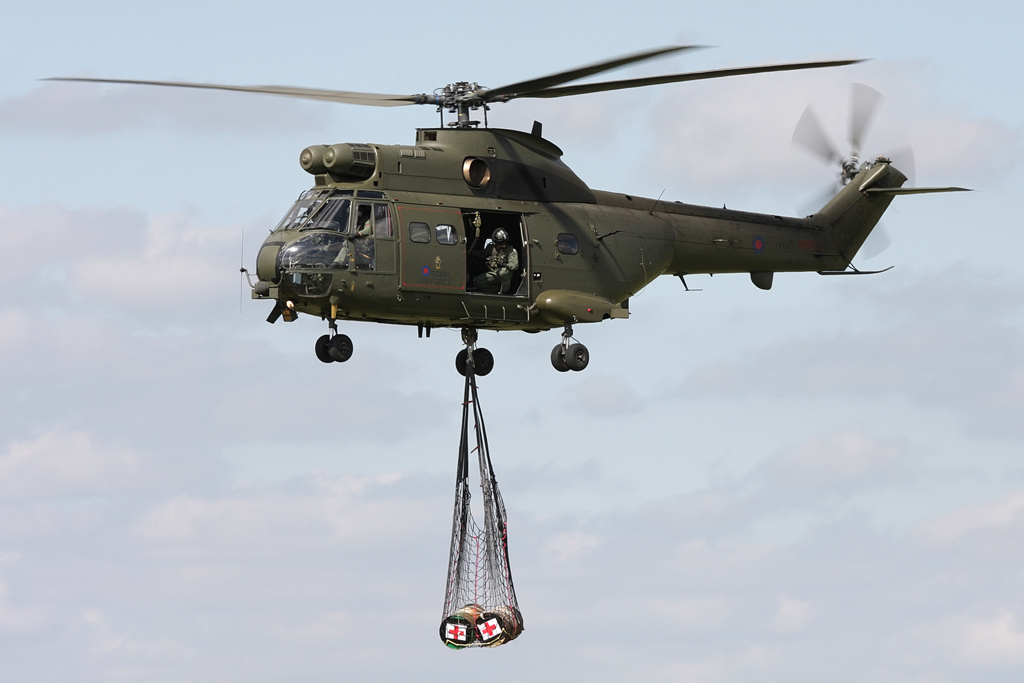
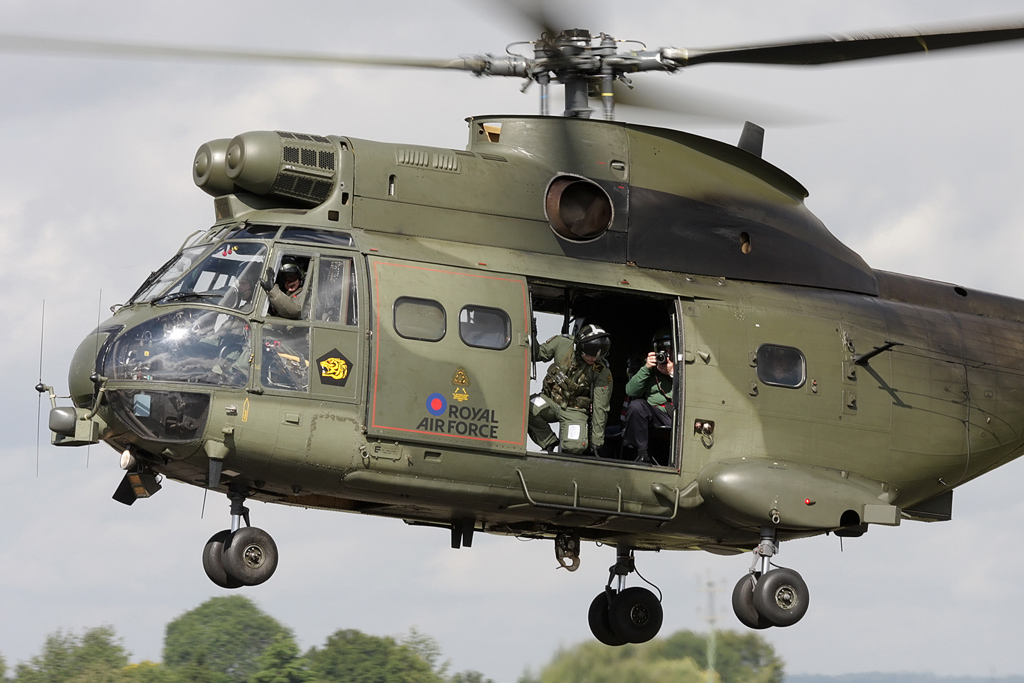
Of the 33 aircraft available to the front-line Support Helicopter Force, 28 examples are certain to receive the HC.2 upgrade with options available to increase that number to 30. The expectation is that the three remaining airframes will be scrapped.
Deliveries of the first upgraded aircraft are due to start in 2011, with half expected to have been returned to service by the end of 2012.
The history of the Puma dates back to the 1960s when the French Army declared a requirement for a medium-lift, all-weather, day/night helicopter, capable of operating in a variety of extreme climates. Sud Aviation produced the SA.330 to meet that requirement and the Royal Air Force selected the type to join their own fleet in 1967, leading to a joint production agreement between Aerospatiale and Westland.
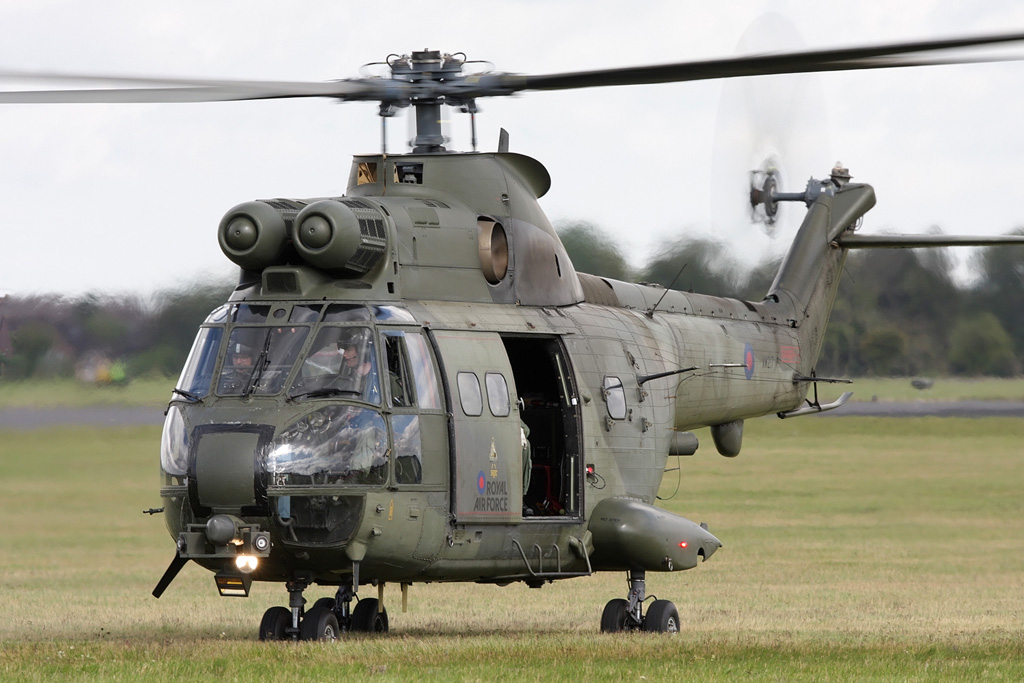
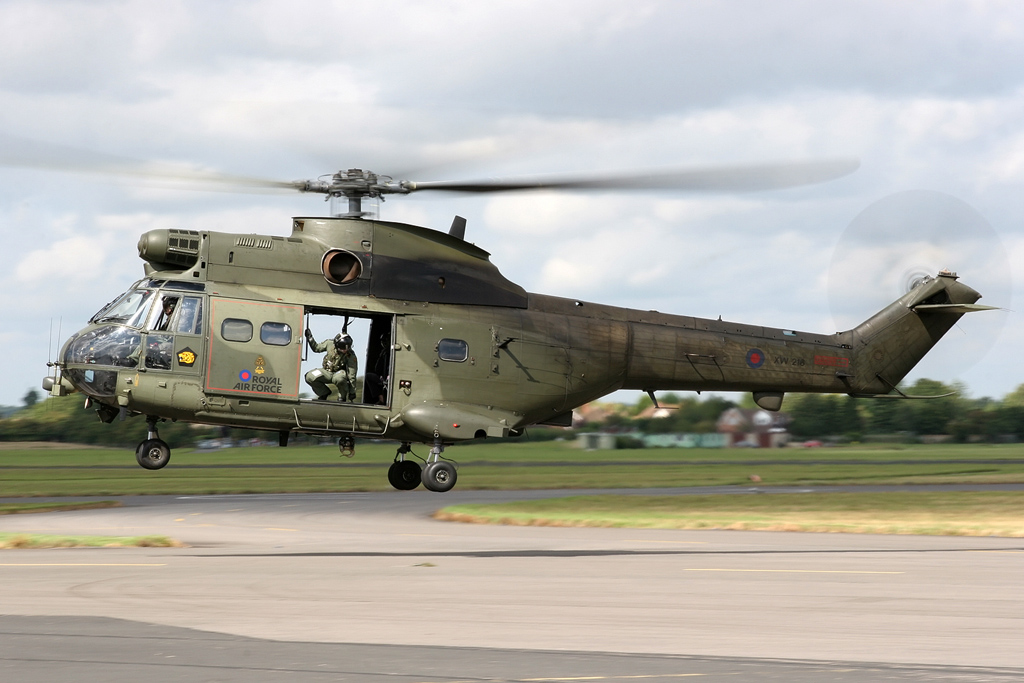
The initial RAF order called for 40 of the aircraft and in 1979 an additional eight airframes were procured as attrition replacements, while a further example was captured from Argentina during the Falklands Conflict and six other former-South African Air Force aircraft were bought in 2002 - four of which have been placed into service, with the other two remaining in storage at the MoD facility at Llangennech, Wales.
GAR wants to interact with its readers so if you have a question for the author or a comment to make on this feature, please click on the button below. The best comments will appear right here on GAR.If you would like to discuss using any of our imagery or feature content please contact us.