
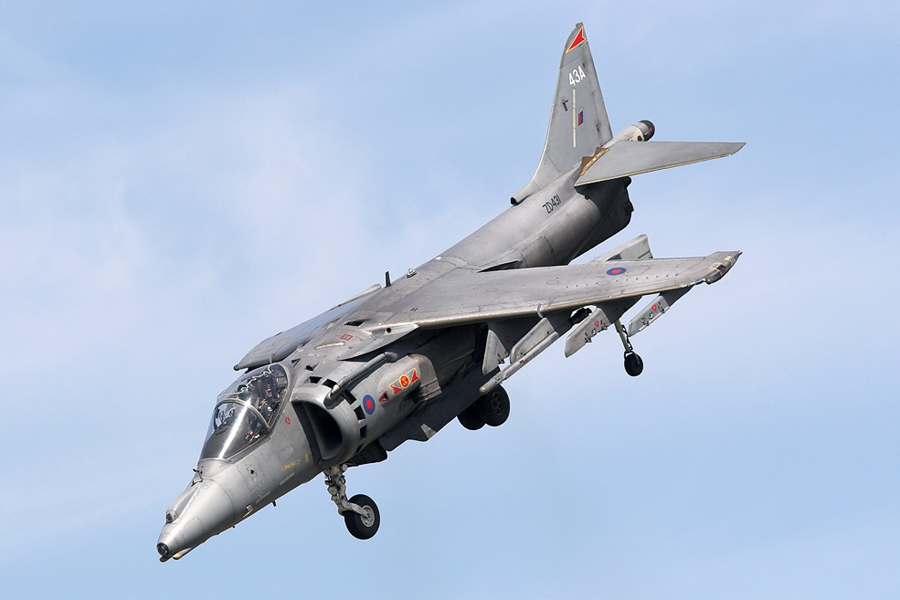
That this year's scheduled ten event Harrier Role Demo was cancelled came as no great surprise to those close to the RAF Events Team (RAFET). I’m led to believe that the demo had been close to cancellation on a number of occasions over the past few months and then resurrected, so some might have seen the recent announcement as inevitable.
Without true inside knowledge we can only speculate as to the reasons why, presumably cost and operational requirements, especially when the commitment to perform at ten shows was confirmed and announced so late in the day anyway, but the impact on the RAF’s own engagement strategy certainly is open for discussion. This year has already seen the end, for the time being anyway, of the RAF Role Demonstration, for the past two years arguably the greatest engagement tool the service has presented and a real chance for the public to see the RAF ‘in action’.

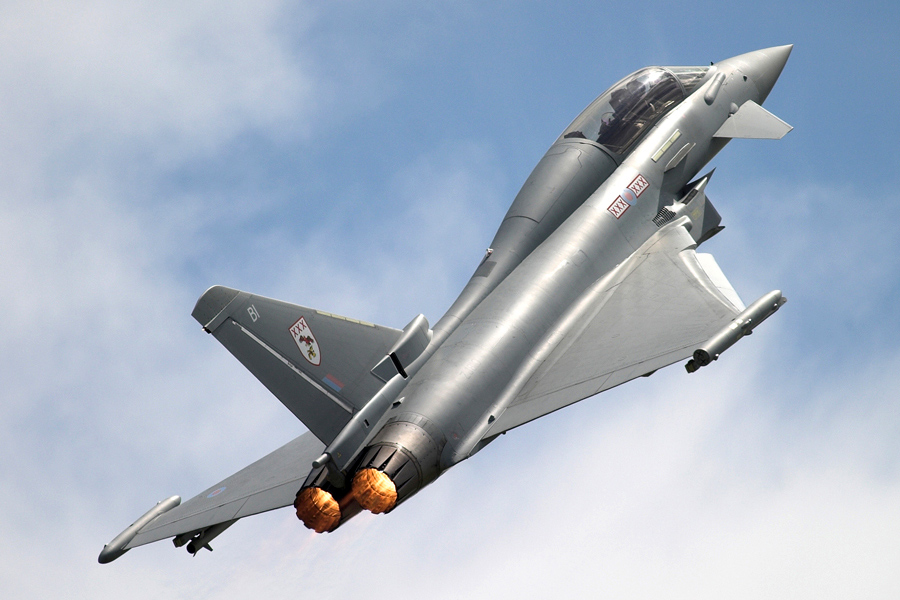
Rumours persisted that the Harrier wasn’t the only ‘act’ in jeopardy ahead of this season and on the same day its cancellation was announced a cut in Typhoon solo displays was also revealed, with the jet now unavailable for any midweek shows. This decision has hit a number of regular events but has hit the traditional RAF ‘Friends and Family Days’ hardest, the vast majority of which take place midweek.
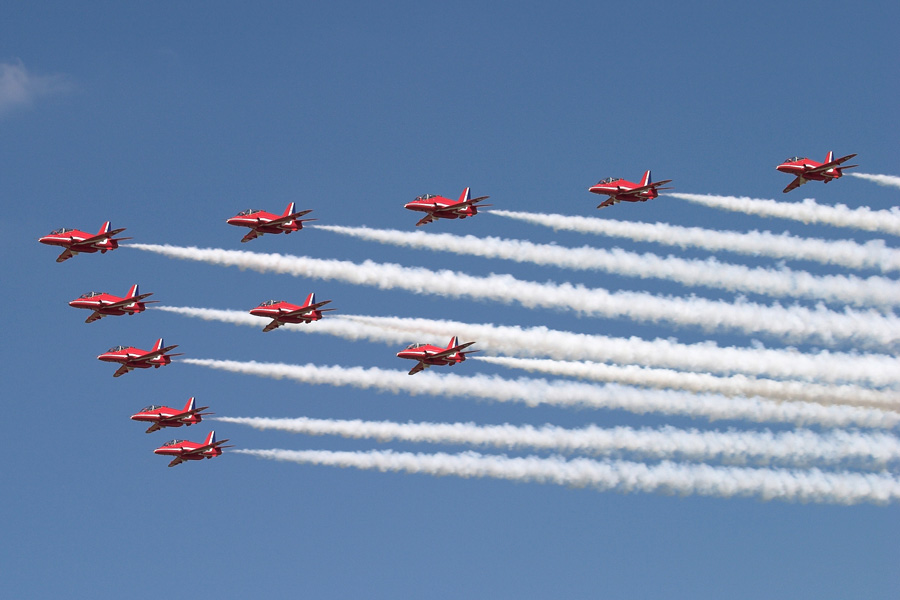
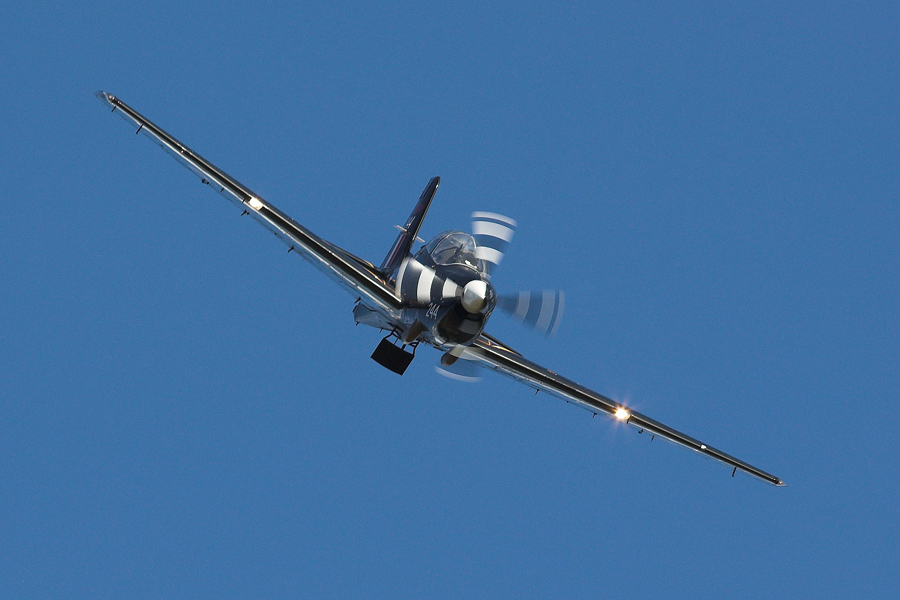
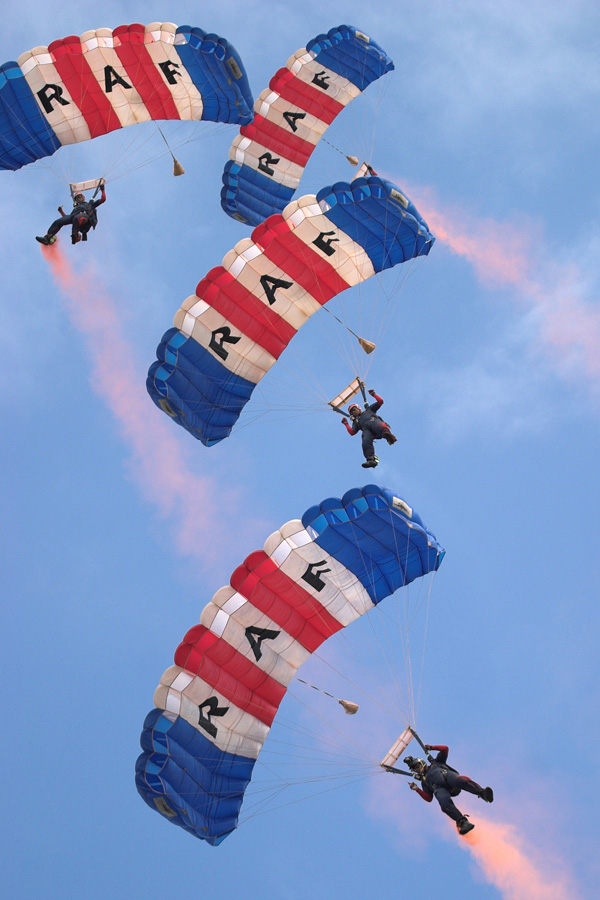
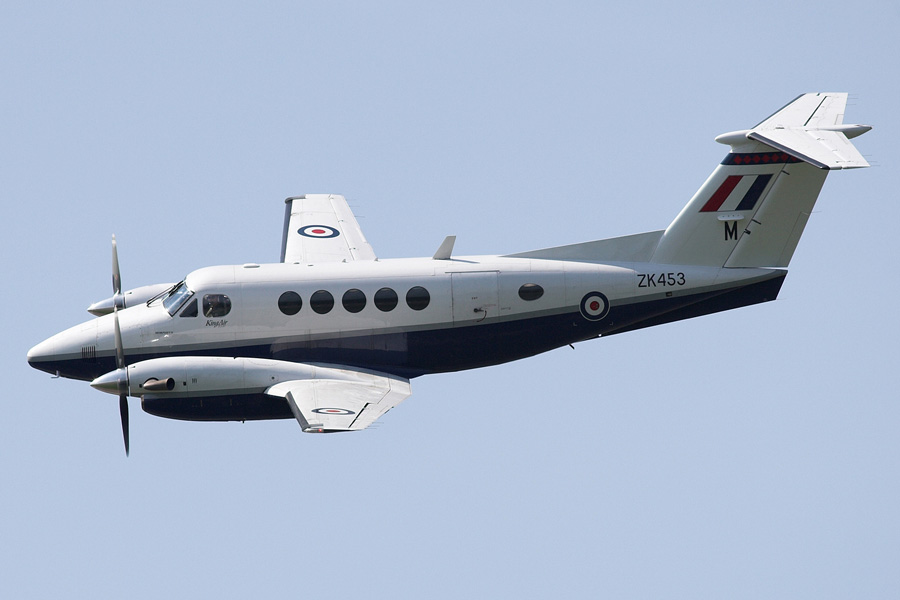
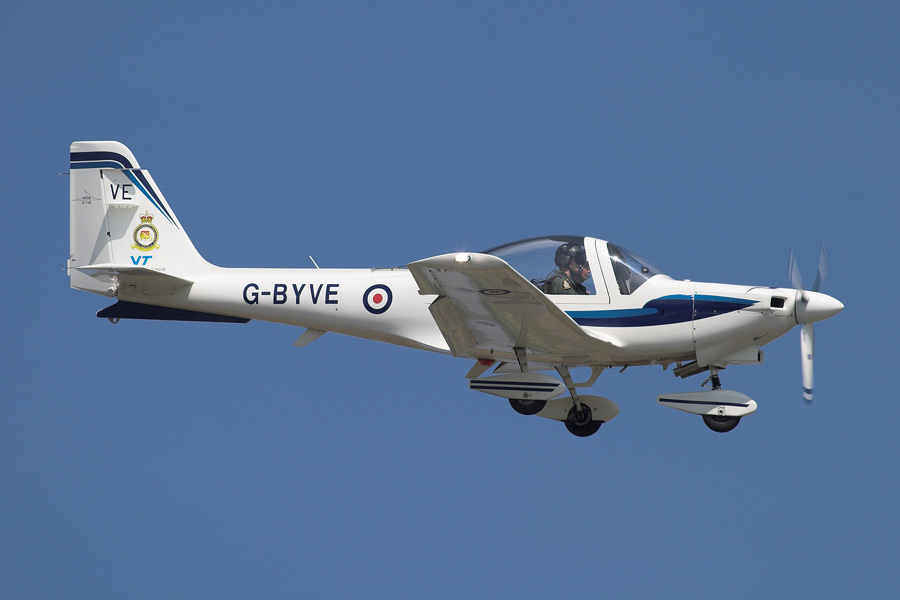
While the Red Arrows are recognised as “The Public Face of the Royal Air Force” by the RAF website, they are just one part of a large team that brings the RAF to the public every year. Other high profile members of this team are the Battle of Britain Memorial Flight, the Falcons parachute team and then solo airshow performers – this year Typhoon from 29(R) Squadron at RAF Coningsby, Hawk from 4 FTS, RAF Valley, Tucano from 1 FTS, Linton-On-Ouse (cancelled for this year following a training accident), Tutor from RAF Cranwell’s newly badged 115 (R) Squadron and King Air, also from Cranwell but with 45(R) Squadron.
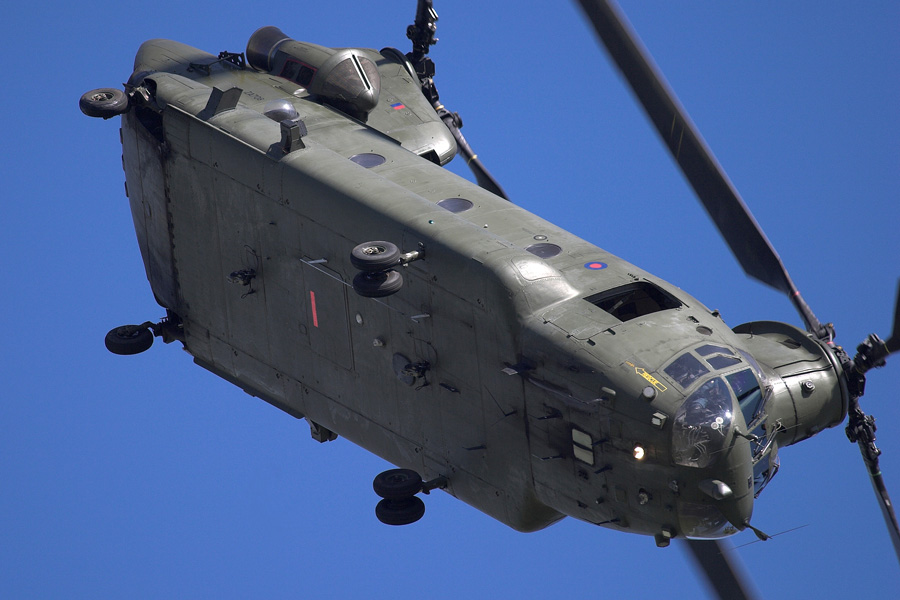
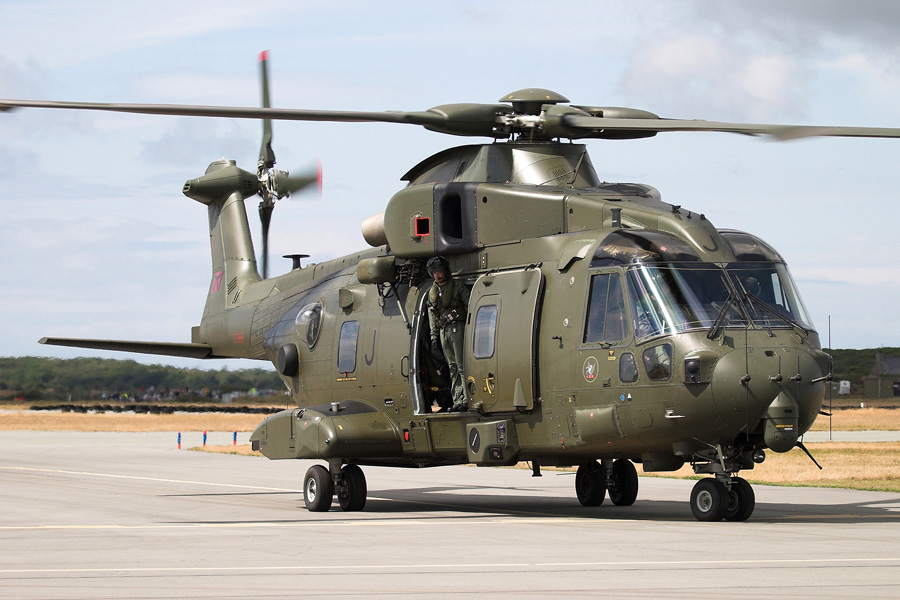
Also displaying for the RAF will be the mighty Chinook helicopter, although its appearances are not directly controlled by the RAFET but by Joint Helicopter Command (JHC). Then there are static aircraft displays, aircraft that visit airshows and events but as a ground display only. Most organised and pro-active of these is Team Merlin with their JHC controlled Merlin helicopters flying out of RAF Benson, although almost any RAF asset could feasibly be seen on static display at larger events. Indeed this year's season curtain-raiser at Abingdon saw a welcome visitor from Brize Norton in the shape of a 99 Squadron C-17, which just goes to show what organisers can achieve.
Outside of aviation the RAFET also oversees the RAF Music Services which comprises a number of bands performing across the UK and also the RAF Dog Presentation Team.
But what do these various teams and performers actually deliver for the RAF?
It’s actually very difficult to quantify as surprisingly little research seems to have gone in to his area. The RAFET works to meet targets passed down by the Engagement Steering Group, the committee which looks at, for example, specific recruitment targets (both geographical and in terms of trade shortfalls), but actually works separately to RAF Careers – an entirely different branch of the Service. But little of the work carried out by the RAFET is ‘directly’ linked to recruitment – for example, RAF Careers may be working at an event with their own ground displays, but in terms of organisation this remains entirely separate from any aircraft in either the static or flying displays, these being the responsibility of the RAFET.
Much of the RAFET work is based on less tangible measures – such as goodwill, consideration and the ‘E’ word itself – engagement. The RAFET will tell you that they don’t (can’t!) do anything which makes people sit up and head straight for their nearest RAF Careers Office to sign-up (although one would like to think that it probably does happen), but what they can do is try to ensure that spectators (customers no less) leave an event feeling more positive about the RAF than they did when they arrived. There is no doubt that it has taken stakeholders like the RAF some time to reach this conclusion – just as it has for brands working in sports sponsorship for example. Emirates don’t expect every Arsenal supporter to go out and purchase a bundle of flights just because they sponsor the Club, but they will hope that those same supporters will consider Emirates next time they need to book flights. Indeed, if their sponsorship is working properly and being exploited correctly then they expect this consideration, if it doesn’t result then something is going awry.
The RAFET can but hope that potential recruits leaving any event where they have come in to contact with the RAF may consider joining-up as an option to be explored, or perhaps they were already considering signing-up and it tips the balance, or maybe they’ll tell someone else about signing-up. These are all benefits of the huge commitment the RAF makes to displaying publicly each year, but sadly not readily quantifiable.
In this day and age of global expeditionary operations, stretched resources and tightening budgets, the lack of statistics for the RAFET could be viewed as a problem – as to those counting the beans there is little hard and fast evidence to support the positive effect that the displays undoubtedly deliver. Hear-say and goodwill frequently lose out to economics and human resources, that is the way of the world, and that it would seem is what has impacted the Role Demo, Harrier and Typhoon demos this season.
So how does the loss of displays affect the positive impact that the RAFET strives to deliver? I would suggest that Harrier, due to its unique ability, does tend to leave an unforgettable impression on those who see it, and therefore the loss is an important one but possibly a poor indicator. Typhoon is a great loss to the RAF Family Days but the impact of the no midweek displays decision is lower on regular events, but still, as the RAF’s premier multi-role aircraft any loss of appearances is a blow.
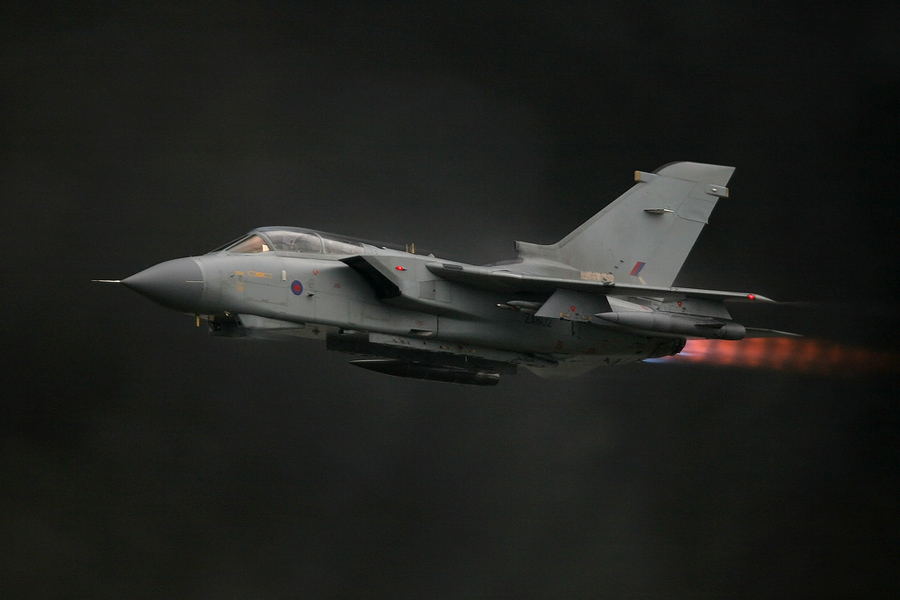
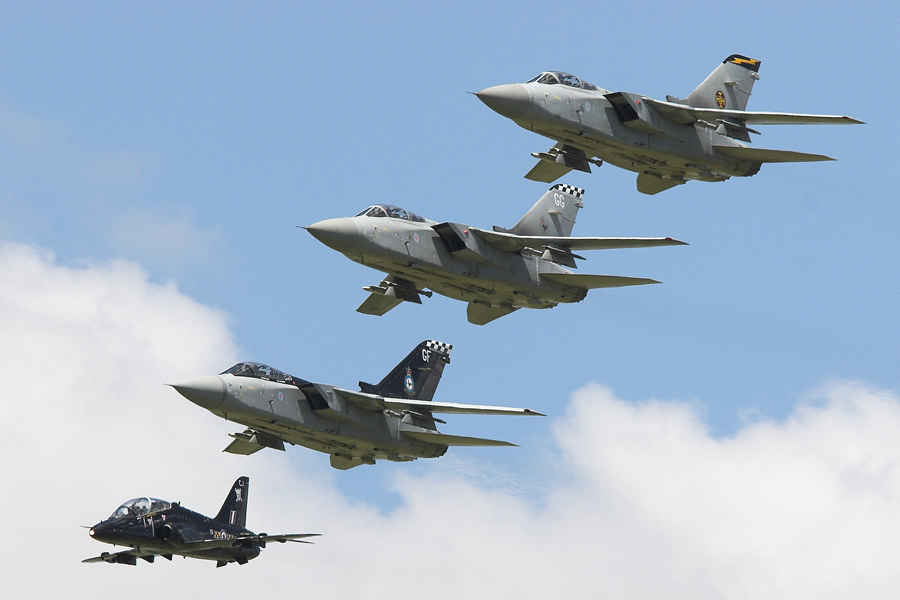
The loss of the Role Demo will, I believe, have a far greater impact on the success of the RAFET. The sight of Tornado F.3s, GR.4s, Hawks, E-3 Sentry, Chinook and Apache, courtesy of the Army Air Corps, was hugely impressive, particularly as this was no straightforward display of aerobatics. It showed these airframes performing many of the roles they perform operationally each and every day; and for that reason alone should have been indispensible.
If you would like to discuss using any of our imagery or feature content please contact us.